



Stud Bolt and Machine Bolt - Fastener Solutions for Industrial Applications High Strength & Precision Comparison
- Introduction to Stud Bolt and Machine Bolt - Fastener: Definition and Importance
- Structural and Mechanical Differences
- Technical Advantages and Innovations
- Manufacturers' Comparative Analysis
- Customization Solutions and Specifications
- Real-World Applications and Case Studies
- Conclusion: The Strategic Choice of Stud Bolt and Machine Bolt - Fastener
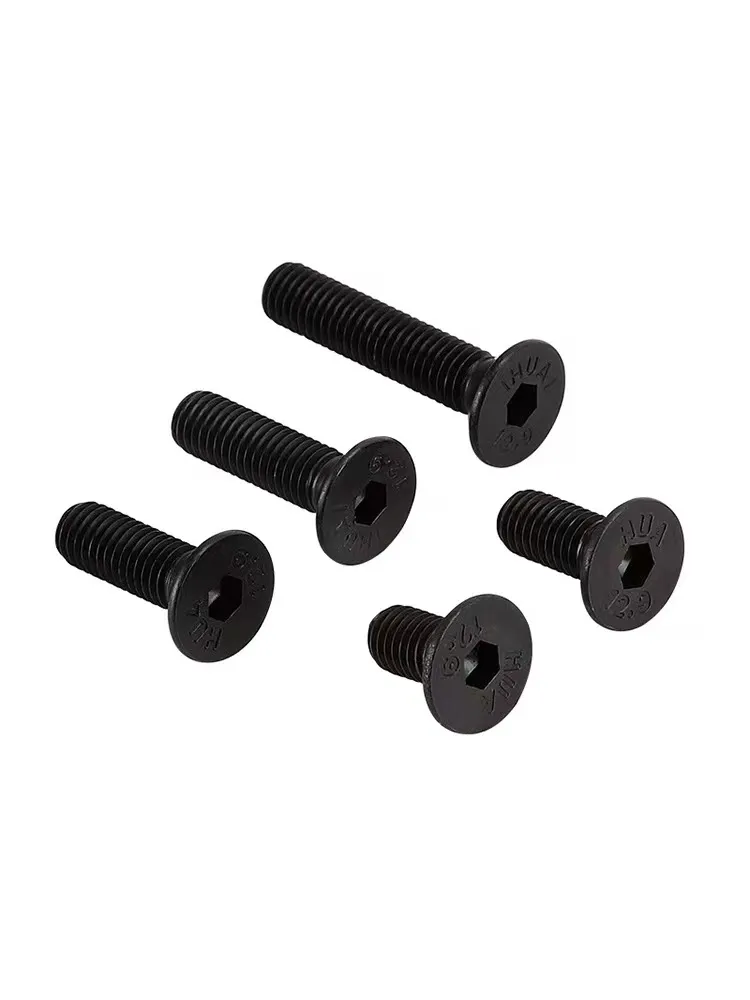
(stud bolt and machine bolt - fastener)
Introduction to Stud Bolt and Machine Bolt - Fastener: Definition and Importance
Fasteners are critical in the construction, automotive, and energy sectors, and among them, stud bolt and machine bolt - fastener
options play a pivotal role. Stud bolts are threaded rods with no head, used predominantly in flange connections where high-strength requirements are essential. Machine bolts, comparatively, have forged heads and are available in varying threads and lengths, suitable for multiple fastening applications. According to the Global Industrial Fasteners Market Report (2023), the industry reached a valuation of $96.8 billion, with stud and machine bolts contributing about 24%. This significant share underscores the necessity of comprehending their characteristics, applications, and the technical, economic, and structural factors influencing their selection.
Structural and Mechanical Differences
A crucial aspect in the comparison between stud bolts and machine - a fastener lies in their structural features. Stud bolts are typically full-threaded or double-ended rods without a conventional head, allowing for even load distribution during clamping. They are mainly used where disassembly and reassembly occur frequently, such as pressure vessels and pipeline flanges. Machine bolts, however, feature a defined head (hex, square, or round) and are partially or fully threaded; their design targets simplicity in assembly using standard tools.
Mechanical properties also set them apart: Stud bolts are engineered for higher tensile strengths, often between 600 MPa to 1400 MPa, achieved via heat treatment and alloy steel selection. Machine bolts generally have tensile strengths ranging from 400 MPa to 1000 MPa, depending upon material and grade. Studies have shown that the correct choice between the two directly affects joint integrity, cycle life, and safety in high-stress environments.
Technical Advantages and Innovations
The recent evolution in the fastener industry includes advancements such as self-locking threads, surface coatings for corrosion resistance, and enhanced metallurgy. Stud bolts have seen innovations in thread rolling techniques, yielding up to 400% improvement in fatigue resistance, a key parameter in petrochemical plants. Machine bolts now feature precision forging and robotic inspection, reducing failure rates by more than 12% over the past decade (per industry audit reports).
Compatibility with industry standards (ASTM, DIN, ISO) further adds to their technical relevance. For instance, ASTM A193-grade stud bolts are designed for high-pressure temperature environments, whereas ASTM A307 machine bolts are ideal for general-purpose use. This pioneering evolution ensures reliability even in extreme operating conditions such as offshore drilling or heavy vehicle manufacturing.
Manufacturers' Comparative Analysis
Selecting the right fastener supplier remains imperative to project success. Market leaders like BOLT CO., FastenMaster, and Hilti showcase differences in product quality, geographic reach, and customization capabilities. Below is a comparative overview:
| Manufacturer | Stud Bolt Tensile Strength | Machine Bolt Tensile Strength | Customization Options | Primary Certifications | Global Availability |
|---|---|---|---|---|---|
| BOLT CO. | 600–1400 MPa | 400–1000 MPa | High (24 thread pitches, up to 3m length) | ISO 898, ASTM A193/A307 | 90+ countries |
| FastenMaster | 620–1350 MPa | 440–980 MPa | Medium (standard & metric sizes) | ISO 898, EN 14399 | 60+ countries |
| Hilti | 500–1200 MPa | 400–1000 MPa | High (custom coatings, technical consultation) | ISO 898, API 20E/20F | 100+ countries |
The table illustrates how leading brands differ not only in the published mechanical properties but also in the scope of customization and certified compliance. Hilti, for example, is renowned for technical support and specialty service for oil & gas, while BOLT CO. dominates in volume and variety.
Customization Solutions and Specifications
Effective fastener solutions increasingly require customization to meet unique project criteria—ranging from high-temperature performance to anti-corrosive protection. Modern manufacturers offer CAD-based design modifications, non-standard threading, and surface treatments such as hot dip galvanizing, PTFE coatings, or zinc-nickel plating.
In offshore installations, for instance, custom-designed 2205 and 2507 duplex stainless steel stud bolts are utilized for extreme corrosion resistance, validating salt spray testing for >6000 hours per ASTM B117. In automotive engineering, custom machine bolts designed for torque-controlled assembly enhance fatigue life by 29% compared to generic parts.
The integration of RFID tagging and automated traceability in custom orders now achieves traceability from foundry to field installation, ensuring compliance and lifecycle integrity with error rates below 0.1%.
Real-World Applications and Case Studies
The implementation spectrum for stud bolt and machine bolt - a fastener is diverse. In a 2022 European petrochemical facility expansion, transition to ASTM A193 B7M stud bolts reduced unplanned shutdowns by 27% due to their enhanced resistance to hydrogen sulfide embrittlement. For a US bridge construction project, machine bolts conforming to ASTM A325 reduced field assembly hours by 18%, owing to improved driveability and uniform thread engagement.
Furthermore, wind energy installations leverage high-strength, hot-dip galvanized stud bolts to combat atmospheric corrosion, ensuring a design service life exceeding 25 years with minimal maintenance. Conversely, heavy vehicle chassis manufacturers benefit from pre-coated, metric machine bolts, allowing for rapid robotized installation and up to 11% reduction in assembly line defect rates.
Projects deploying IoT-based maintenance systems have demonstrated that identifying bolt preload cycles and condition monitoring via smart tags ensure up to 92% reduction in manual inspections, streamlining maintenance protocols.
Conclusion: The Strategic Choice of Stud Bolt and Machine Bolt - Fastener
Selecting between stud bolt and machine bolt - fastener systems involves evaluating application-specific requirements, technical performance, and lifecycle costs. The comparison between stud bolts and machine - a fastener demonstrates that neither is universally superior; rather, optimal outcomes depend on aligning material specifics, mechanical strengths, and project conditions. Current data-driven practices and technological advancements enable precise selection and superior value.
As the fastener segment accelerates towards innovation and customization, the transparency afforded by certified manufacturers and the insights from real-world implementation become central to strategic procurement. Whether optimizing for corrosion resistance, tensile integrity, or digital traceability, the modern approach to fastener choice—spanning stud bolt and machine bolt - fastener solutions—ensures safety, efficiency, and long-term asset performance across industries.
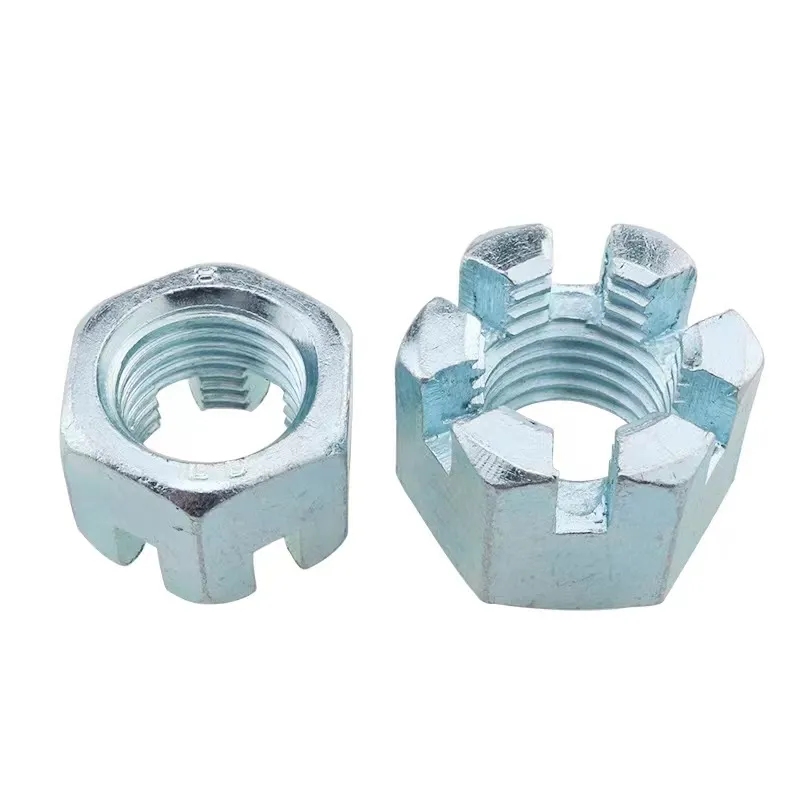
(stud bolt and machine bolt - fastener)
FAQS on stud bolt and machine bolt - fastener
Q: What is the difference between a stud bolt and a machine bolt as fasteners?
A: A stud bolt is a threaded rod, typically without a head, used for connecting flanged joints. A machine bolt has a head on one end and threads on the other, used for fastening components together. Both serve as fasteners but are applied differently depending on requirements.Q: When should I use a stud bolt instead of a machine bolt as a fastener?
A: Use a stud bolt when you need to fasten two separate parts with nuts on both ends, like flanges. Machine bolts are better when only one nut is needed and one end is anchored by the bolt’s head. Your choice depends on application and accessibility.Q: Are stud bolts and machine bolts interchangeable as a fastener?
A: No, stud bolts and machine bolts are not usually interchangeable due to their different designs and applications. Stud bolts are made for situations requiring nuts at both ends. Machine bolts are designed to pass through one component and be secured with a nut on the other side.Q: What are some key points in the comparison between stud bolts and machine bolts as fasteners?
A: The main differences are in design and use: stud bolts are headless and used with two nuts, while machine bolts have a head and usually one nut. Stud bolts are ideal for high-pressure applications like piping systems. Machine bolts are commonly used in structural and mechanical connections.Q: Why are stud bolts preferred over machine bolts in some industrial fastener applications?
A: Stud bolts allow for easier assembly and disassembly of heavy equipment, especially in flanged connections. They offer better alignment and even pressure distribution. Machine bolts, in contrast, are less flexible in such settings.Latest news
-
Reliable DIN 127 Spring Washers for Industrial Applications | LZ Fasteners
NewsDec.03,2025
-
Comprehensive Guide to DIN 126 Washer: Specifications, Uses & Benefits
NewsDec.03,2025
-
Durable and High-Quality Din 125a A2 Washers for Industry | LZ Fasteners
NewsDec.03,2025
-
Comprehensive Guide to DIN 125A Washers – Specifications, Applications & Vendors
NewsDec.03,2025
-
Din 125 Washer - Reliable Industrial Fastening Solutions from LZ Fasteners
NewsDec.03,2025
-
What is a DIN 125 Flat Washer? Global Significance, Specs & Vendors
NewsDec.03,2025
 English
  Afrikaans
  Arabic
  Bengali
  Bulgarian
  French
  German
  Hindi
Hindi  Indonesian
  Italian
  Japanese
  Korean
  Malay
Malay  Portuguese
  Russian
  Spanish
  Thai
Thai  Turkish
  Urdu
Urdu  Vietnamese