



Premium Hot Dip Galvanized Eyeball – Durable & Rust-Proof
Introduction to Hot Dip Galvanized Eyeballs and Industry Trends
In the demanding world of industrial fasteners and rigging components, durability, reliability, and corrosion resistance are paramount. The Hot dip galvanized eyeball stands out as a critical component, engineered to meet these stringent requirements. Its unique design, featuring an eye-shaped head, combined with the superior protection offered by hot-dip galvanization, makes it indispensable across a multitude of heavy-duty applications. This component is not merely a fastener; it is a vital link in securing infrastructure, supporting critical systems, and enabling safe operations.
Current industry trends highlight an increasing demand for materials that offer extended service life and reduced maintenance in harsh environments. Sectors such as offshore energy, marine infrastructure, telecommunications, and heavy construction are continually seeking solutions that can withstand extreme weather, chemical exposure, and mechanical stress. The global push towards sustainability also emphasizes products with a longer lifecycle and less environmental impact from frequent replacements. This demand directly fuels the innovation and widespread adoption of components like the Hot dip galvanized eyeball, which inherently addresses these needs through its robust construction and advanced anti-corrosion treatment. Furthermore, the integration of smart manufacturing processes and stringent quality control protocols ensures that these components meet evolving international standards, reinforcing their role in modern industrial ecosystems.
Technical Specifications and Design Principles
The design and material selection for a Hot dip galvanized eyeball are critical to its performance envelope. Typically forged or cast from high-grade carbon steel or alloy steel, these components are designed to exhibit exceptional tensile strength, shear strength, and fatigue resistance. The eye-shaped head is engineered to provide a secure, low-friction attachment point for cables, ropes, or other rigging hardware, allowing for rotational movement and reducing wear on the attached elements. The threaded shank ensures a firm mechanical connection to the receiving structure.
The hot-dip galvanization process, applied after fabrication, is a metallurgical bonding of zinc to steel. This creates a highly durable, sacrificial coating that offers superior corrosion protection compared to paint or electroplating. The thickness of the zinc coating is a key parameter, directly influencing the component's service life in corrosive environments. Common standards like ASTM A153 (Standard Specification for Zinc Coating (Hot-Dip) on Iron and Steel Hardware) dictate the minimum coating thickness based on material type and section size, ensuring uniform protection.
Key Technical Parameters
| Parameter | Typical Range/Value | Standard |
|---|---|---|
| Material Grade | Carbon Steel (e.g., C1045, C1018), Alloy Steel | ASTM A36, ASTM A572 Gr. 50 |
| Tensile Strength | Min. 60,000 psi (413 MPa) | ASTM F1554 Grade 36 |
| Yield Strength | Min. 36,000 psi (248 MPa) | ASTM F1554 Grade 36 |
| Zinc Coating Thickness | Avg. 3.4 mil (85 µm) for items > 3/8" | ASTM A153 Class C/D |
| Thread Type | UNC, Metric (e.g., M10-M64) | ASME B1.1, ISO 68-1 |
| Working Load Limit (WLL) | Varies by size and design, typically 5:1 safety factor | ASME B30.26 |
Manufacturing Process Flow of Hot Dip Galvanized Eyeballs
The production of a high-quality Hot dip galvanized eyeball involves a precise, multi-stage manufacturing process designed to ensure structural integrity and optimal corrosion resistance. This detailed process adheres to strict quality control measures at each step, from raw material selection to final inspection.
Process Steps:
- Raw Material Inspection: High-grade carbon or alloy steel rods/bars are inspected for chemical composition and mechanical properties, ensuring compliance with standards like ASTM A36 or A572.
- Forming (Forging or Casting):
- Forging: Steel is heated to a high temperature and shaped under immense pressure using dies. This process aligns the grain structure, enhancing strength and fatigue resistance.
- Casting: Molten steel is poured into molds. While offering flexibility for complex shapes, casting requires careful control to avoid internal defects.
- Machining: Post-forming, the eye is precisely bored, and the shank is threaded to exact specifications using CNC machining, ensuring dimensional accuracy and thread integrity (e.g., ASME B1.1 for Unified Inch Screw Threads).
- Heat Treatment (if required): Depending on the steel grade and desired mechanical properties (e.g., increased hardness or toughness), components may undergo heat treatments such as quenching and tempering.
- Surface Preparation for Galvanization:
- Degreasing: Removal of oils, grease, and dirt.
- Pickling: Immersion in acidic solutions (e.g., hydrochloric acid) to remove rust and mill scale.
- Rinsing: Thorough cleaning to remove residual acids.
- Fluxing: Application of a zinc ammonium chloride solution to prevent oxidation and promote wetting during galvanization.
- Hot-Dip Galvanization: The prepared steel components are fully immersed in a bath of molten zinc (typically at 450-460°C). A metallurgical bond forms between the iron and zinc, creating several layers of zinc-iron alloy and an outer layer of pure zinc. This process strictly adheres to standards such as ISO 1461 or ASTM A153.
- Cooling and Finishing: After withdrawal from the zinc bath, excess zinc is removed, and the components are cooled. Any rough edges or drips are smoothed.
- Post-Galvanization Inspection and Testing:
- Visual Inspection: Checking for complete coverage, smooth finish, and absence of defects.
- Coating Thickness Measurement: Using magnetic or eddy current gauges to ensure zinc layer meets specifications.
- Adhesion Test: Hammer tests to verify the bond between zinc and steel.
- Thread Inspection: Ensuring threads are clear and functional after galvanization, sometimes requiring re-tapping.
- Mechanical Testing: Sample components may undergo tensile strength, yield strength, and proof load tests to validate performance.
- Packaging and Dispatch: Components are carefully packaged to prevent damage during transit.
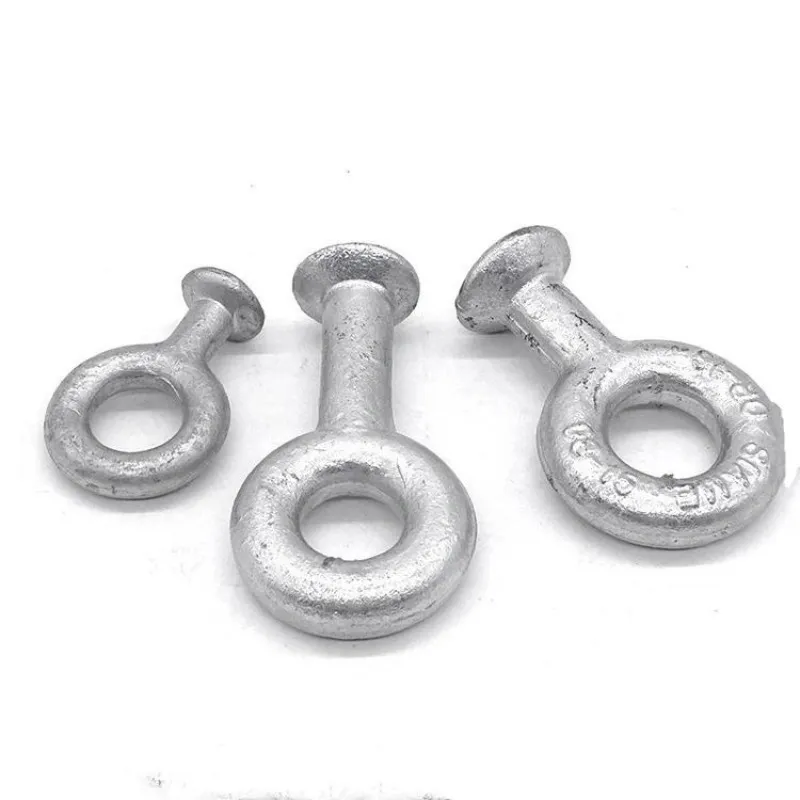
Figure 1: Illustration of a Hot Dip Galvanized Eyeball undergoing inspection.
The rigorous adherence to these process steps, combined with continuous quality checks against standards like ISO 9001 and specific product standards like ANSI/ASME, guarantees the superior performance and extended service life of the Hot dip galvanized eyeball, particularly in corrosive and demanding environments. Target industries such as petrochemical, metallurgy, and water supply & drainage systems heavily rely on these components for their proven advantages in energy saving (due to less frequent replacement) and unparalleled corrosion resistance.
Technical Advantages and Performance Characteristics
The advantages of using a Hot dip galvanized eyeball are multifaceted, stemming primarily from its robust construction and the protective zinc coating. These benefits translate directly into operational efficiencies and enhanced safety in industrial applications.
- Superior Corrosion Resistance: The zinc coating provides both barrier protection and cathodic (sacrificial) protection to the underlying steel. If the coating is scratched, the surrounding zinc corrodes preferentially, protecting the exposed steel from rust. This extends the lifespan significantly in harsh, corrosive atmospheres such as marine, coastal, and industrial chemical environments, far surpassing alternative coatings like paint or electroplating.
- Exceptional Durability and Longevity: With proper application and maintenance, a hot-dip galvanized coating can protect steel for 50 years or more in many environments without maintenance, and 20 years or more in very severe conditions. This longevity minimizes replacement costs and operational downtime.
- Robust Mechanical Properties: Manufactured from high-strength steels, these components possess excellent tensile, shear, and fatigue resistance. This ensures they can withstand significant loads and dynamic stresses, crucial for rigging, lifting, and structural applications.
- Complete Coverage: The dipping process ensures that all surfaces, including internal corners, recesses, and inaccessible areas, are fully coated, offering comprehensive protection where other coating methods might fail.
- Cost-Effectiveness Over Lifecycle: While initial costs might be slightly higher than some alternatives, the extended service life and minimal maintenance requirements result in significantly lower lifecycle costs. The 'maintenance-free' aspect reduces labor and material expenses associated with repeated painting or repair.
- Abrasion Resistance: The metallurgical bond formed between zinc and steel is harder than the base steel for several inner layers, providing excellent resistance to mechanical damage during handling, transportation, and service.
- Environmental Benefits: Longer product life means less raw material consumption and reduced waste, aligning with sustainable industrial practices.
These characteristics make the Hot dip galvanized eyeball an optimal choice for critical applications where structural integrity and resistance to environmental degradation are non-negotiable.
Application Scenarios and Target Industries
The versatility and resilience of the Hot dip galvanized eyeball allow for its deployment across a broad spectrum of industries, particularly those characterized by demanding environmental conditions and critical load-bearing requirements. Its application is foundational in ensuring the safety and operational continuity of various industrial infrastructures.
Key Application Areas:
- Petrochemical Industry: Used in the construction and maintenance of oil rigs, refineries, pipelines, and chemical processing plants. Here, they secure critical piping, support structures, and rigging points, enduring exposure to corrosive chemicals, saline atmospheres, and extreme temperatures.
- Marine and Offshore Engineering: Essential for mooring systems, dock construction, shipbuilding, and offshore platforms. Their high corrosion resistance is vital for prolonged immersion in saltwater and exposure to maritime weather.
- Power Transmission and Telecommunications: Employed in tensioning systems for overhead power lines, securing guy wires for utility poles, and supporting telecommunication towers. The galvanized coating protects against atmospheric corrosion and ensures long-term stability of critical infrastructure.
- Heavy Construction and Infrastructure: Utilized in bridge construction, securing formwork, lifting heavy structural elements, and anchoring permanent fixtures in dams, tunnels, and large-scale buildings. Their strength and durability are key to heavy lifting and permanent installations.
- Water Treatment and Drainage Systems: In wastewater treatment plants, pumping stations, and large-scale irrigation systems, these components are used for securing pipelines, valves, and mechanical equipment, resisting constant moisture and potential chemical exposure.
- Mining and Quarrying: Employed in conveyor systems, rock bolting, and general heavy machinery anchoring, where components are subjected to abrasive materials, dust, and often damp conditions.
- Renewable Energy (Wind & Solar): Used in the structural integrity of wind turbine towers for anchoring and rigging during installation and maintenance, and in large-scale solar farm installations for securing tracking systems and panel mounts, providing resistance to diverse environmental conditions.
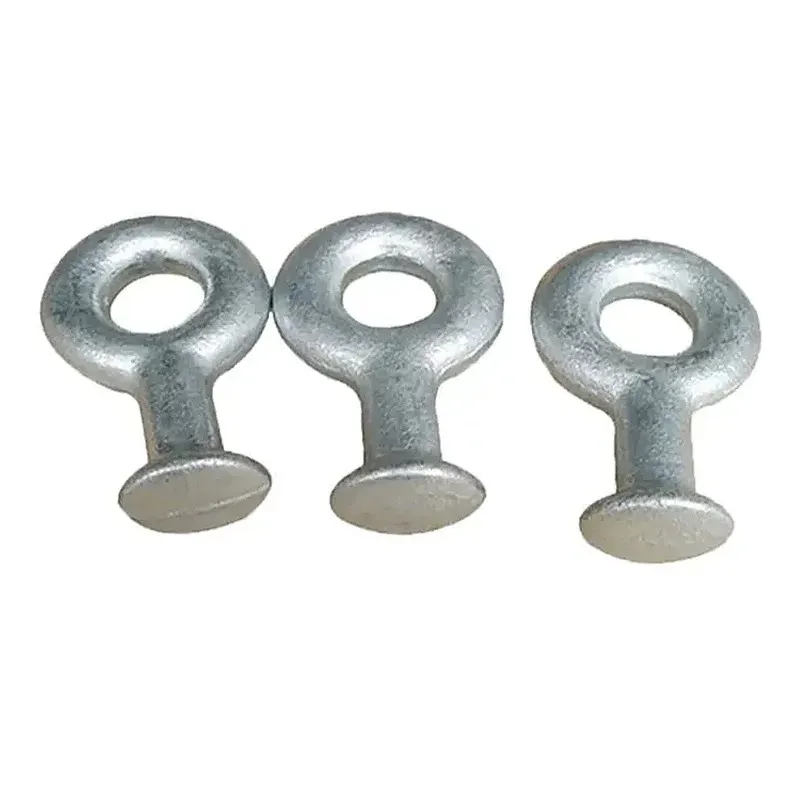
Figure 2: Hot Dip Galvanized Eyeballs in a warehouse, ready for deployment in various industrial applications.
These scenarios underscore the indispensable role of the Hot dip galvanized eyeball as a reliable, long-lasting component that significantly contributes to the structural integrity and operational safety of critical infrastructure worldwide.
Vendor Comparison and Selection Criteria
Selecting the right vendor for Hot dip galvanized eyeball components is crucial for ensuring product quality, reliability, and long-term cost-effectiveness. The market offers a range of suppliers, and a meticulous evaluation process is essential for B2B decision-makers and procurement engineers.
Key Criteria for Vendor Evaluation:
- Certifications and Compliance: Verify that the vendor adheres to international standards such as ISO 9001 for quality management, and that their products comply with relevant industry standards like ASTM A153 (for galvanization), ASME B1.1 (for threads), and ASTM F1554 (for anchor bolts). Third-party certifications (e.g., DNV, Lloyd's Register for marine applications) are a strong indicator of reliability.
- Manufacturing Capabilities: Assess whether the vendor utilizes advanced manufacturing techniques (e.g., closed-die forging, precision CNC machining) and has robust quality control processes at each stage of production. Site visits or detailed process flow documentation can be invaluable.
- Material Traceability: A reputable vendor will offer full traceability of raw materials, including mill certificates, ensuring that the steel grade meets specifications.
- Testing and Quality Assurance: Inquire about their in-house testing facilities (e.g., tensile testing, salt spray testing, coating thickness measurement) and their adherence to accepted sampling and inspection plans (e.g., ANSI/ASQ Z1.4).
- Experience and Reputation: Look for vendors with a proven track record, extensive years in service, and positive customer feedback. Partnerships with major clients in demanding industries (e.g., oil & gas, infrastructure) demonstrate competence.
- Customization Capabilities: The ability to provide bespoke solutions for unique project requirements (e.g., non-standard dimensions, specific material alloys) is a significant advantage.
- Lead Times and Logistics: Evaluate their capacity to meet required delivery schedules and their logistical efficiency for global or regional distribution.
- After-Sales Support and Warranty: Comprehensive warranty policies and responsive technical support are indicative of a vendor's confidence in their product and commitment to customer satisfaction.
Product Comparison: Hot-Dip Galvanized vs. Electro-Galvanized Eyeballs
| Feature | Hot-Dip Galvanized Eyeball | Electro-Galvanized (Zinc Plated) Eyeball |
|---|---|---|
| Coating Thickness | Thicker (Avg. 3.4 mil / 85 µm) | Thinner (Avg. 0.2 mil / 5 µm) |
| Corrosion Resistance | Excellent; lasts decades in harsh environments due to barrier and sacrificial protection. | Moderate; suitable for mild, dry indoor environments; limited sacrificial protection. |
| Adhesion | Metallurgically bonded, highly durable. | Mechanically bonded, less durable, prone to chipping. |
| Coverage | Complete, even on complex shapes and internal surfaces. | Can be uneven, especially on edges and in recesses. |
| Abrasion Resistance | High due to hard zinc-iron alloy layers. | Low; easily scratched or abraded. |
| Cost (Initial) | Higher | Lower |
| Lifecycle Cost | Lower (due to long life, minimal maintenance) | Higher (due to shorter life, frequent replacement) |
This comparison underscores why hot-dip galvanization is the preferred choice for critical, outdoor, and corrosive environments, delivering superior long-term value despite a higher initial investment.
Customized Solutions and Client-Centric Manufacturing
While standard Hot dip galvanized eyeball components serve a wide array of applications, many complex industrial projects require tailor-made solutions. Leading manufacturers specialize in developing customized products that precisely meet unique dimensional, material, and performance specifications.
The customization process typically begins with a detailed consultation to understand the client's specific application, environmental conditions, load requirements, and integration challenges. Engineers collaborate closely with clients to define parameters such as:
- Material Composition: Specifying high-strength alloy steels (e.g., 4140, 4340) for enhanced performance in extreme load or fatigue-critical applications, or alternative materials for specific chemical resistance.
- Dimensional Variations: Customizing eye diameter, shank length, thread size, and overall body dimensions to fit unique structural interfaces or rigging requirements.
- Load Capacity (WLL/MBL): Designing components for specific Working Load Limits (WLL) or Minimum Breaking Loads (MBL), often requiring finite element analysis (FEA) to validate structural integrity.
- Galvanization Thickness and Finish: Adjusting zinc coating thickness for ultra-long service life in highly corrosive environments, or applying specialized post-galvanization treatments.
- Additional Features: Incorporating design elements such as specific shoulder types, lock-nut compatibility, or unique identification markings (e.g., serial numbers for traceability).
Manufacturers leverage advanced CAD/CAM systems, simulation software, and agile production processes to efficiently design, prototype, and produce these specialized components. This client-centric approach ensures that even the most niche project requirements are addressed with precision-engineered, high-performance fasteners, providing optimal functionality and maximizing operational safety and longevity. This adaptability is a hallmark of an expert vendor, providing significant value beyond off-the-shelf solutions.
Real-World Application Case Studies
Case Study 1: Offshore Platform Moorings in the North Sea
A major energy company faced persistent corrosion issues with mooring system components on its North Sea oil platforms. Traditional painted components required frequent inspection and replacement due to extreme weather, wave action, and highly saline conditions. Upon switching to custom-designed Hot dip galvanized eyeball anchor bolts and rigging points, the company reported a significant reduction in maintenance cycles and extended service life. The robust zinc coating, applied to precise ASTM A153 Class C specifications, provided superior barrier and sacrificial protection, increasing the interval between major overhauls from 5 years to over 20 years. This resulted in substantial cost savings in vessel deployment, diver time, and replacement hardware, proving the long-term economic advantage and reliability of galvanized components in severe marine environments.
Case Study 2: Bridge Construction in Coastal Regions
For the construction of a new suspension bridge spanning a coastal estuary, engineers required anchorages and connection points for the main cables and secondary support structures that could withstand constant salt spray and high humidity. Standard components showed signs of rust within months during preliminary tests. A specialized manufacturer provided heavy-duty Hot dip galvanized eyeball bolts, custom-forged from high-strength low-alloy steel (HSLA) and galvanized to achieve an average zinc thickness of 100 microns. These components were integrated into the concrete pylons and steel framework. Five years post-construction, detailed inspections revealed no significant signs of corrosion on the galvanized parts, demonstrating their exceptional durability and crucial role in the bridge's long-term structural integrity and public safety. This successful deployment solidified the use of galvanized solutions for critical infrastructure in aggressive coastal climates.
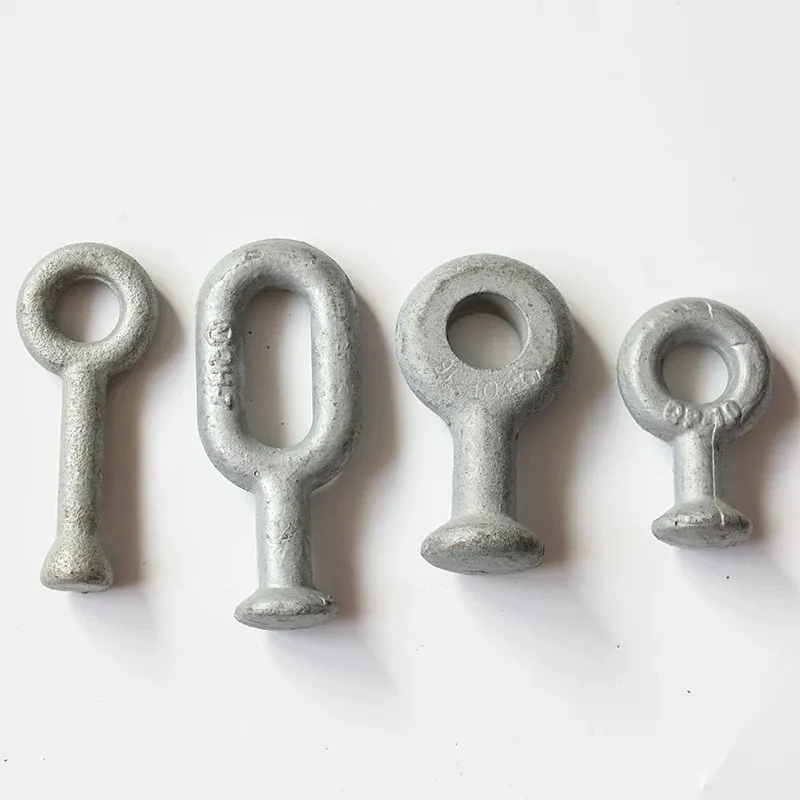
Figure 3: Close-up view of a Hot Dip Galvanized Eyeball, showcasing its robust finish.
Ensuring Quality & Compliance ( - Authoritativeness)
Authoritativeness in the manufacturing of industrial fasteners like the Hot dip galvanized eyeball is built upon a foundation of stringent quality management systems, adherence to international standards, and verifiable test data. Reputable manufacturers demonstrate their authority through a commitment to excellence at every stage.
- ISO Certification: Certification to ISO 9001:2015 signifies a robust Quality Management System, ensuring consistent product quality from design to delivery.
- Product-Specific Standards: Compliance with critical standards such as ASTM A153 for hot-dip galvanization, ASTM F1554 for anchor bolts, and ASME B1.1 for thread specifications, guarantees the mechanical and protective properties of the components.
- Material Test Certificates (MTCs): Providing MTCs for raw materials, detailing chemical composition and mechanical properties, offers full transparency and traceability.
- Third-Party Verification: Engaging independent laboratories for destructive and non-destructive testing (e.g., ultrasonic testing, magnetic particle inspection, ultimate tensile strength testing) provides unbiased validation of product performance.
- Partner Clients and Years of Service: A long history of serving esteemed clients in critical industries (e.g., petrochemical giants, major construction firms, national utility providers) underscores a manufacturer's proven reliability and expertise over decades.
- Continuous Improvement: Investing in R&D to enhance product designs, materials, and manufacturing processes reflects a commitment to staying at the forefront of fastener technology.
"Our 25+ years of experience in manufacturing specialized fasteners for the energy sector, coupled with our ISO 9001 certified processes and consistent ASTM compliance, ensure that every Hot dip galvanized eyeball we produce meets the most rigorous performance and safety criteria." - Company Spokesperson
Trustworthiness & Partnership ( - Trustworthiness)
Trustworthiness is paramount in B2B relationships, particularly when dealing with critical components like the Hot dip galvanized eyeball. A reliable vendor builds trust through transparent communication, clear commitments, and comprehensive support services.
Frequently Asked Questions (FAQ)
- Q1: What is the typical service life of a hot-dip galvanized eyeball?
- A1: In most atmospheric conditions, a hot-dip galvanized coating can protect steel for 50 years or more. In highly corrosive marine or industrial environments, it typically lasts 20-25 years, often requiring no maintenance during this period.
- Q2: Can threads be re-tapped after hot-dip galvanization?
- A2: Yes, internal threads on nuts or mating components are typically re-tapped after galvanization to ensure proper fit and functionality. This is a standard practice and accounts for the slight increase in thread diameter due to the zinc coating.
- Q3: How does hot-dip galvanization compare to other corrosion protection methods?
- A3: Hot-dip galvanization offers superior protection due to its metallurgical bond, thicker coating, and sacrificial cathodic action, making it far more durable and long-lasting than paint, electroplating, or mechanical plating in most aggressive environments.
- Q4: Are custom sizes and materials available?
- A4: Absolutely. We specialize in customized solutions to meet specific project requirements, including variations in material grade, dimensions, load capacities, and specialized testing protocols. Please contact our engineering team for a consultation.
Lead Time and Fulfillment
Our standard lead times for common Hot dip galvanized eyeball products range from 3 to 6 weeks, depending on order volume and current production schedules. For custom orders, lead times will be determined after design finalization and material procurement, typically ranging from 6 to 12 weeks. We maintain robust inventory levels for high-demand items and employ efficient logistical partnerships to ensure timely global delivery. Expedited options are available upon request and project criticality assessment.
Warranty Commitments
We stand behind the quality of our products. All our Hot dip galvanized eyeball components are covered by a comprehensive 5-year warranty against manufacturing defects and premature corrosion under normal operating conditions. Our warranty ensures that products meet or exceed specified ASTM and ISO standards for material composition, mechanical properties, and galvanization quality.
Customer Support and After-Sales Service
Our commitment to our clients extends beyond delivery. Our dedicated customer support team and technical engineers are available for installation guidance, application troubleshooting, and any post-purchase inquiries. We offer comprehensive after-sales service, including technical documentation, certification provision, and expert advice to ensure the optimal performance and longevity of our products in your applications. Our aim is to foster long-term partnerships built on trust and mutual success.
Conclusion
The Hot dip galvanized eyeball is a prime example of an engineered component that delivers unparalleled performance and longevity in the most demanding industrial environments. Its robust manufacturing process, adherence to rigorous international standards, and the superior protective qualities of hot-dip galvanization ensure critical infrastructure remains secure and operational for decades. For B2B decision-makers and engineers, choosing a reliable supplier that emphasizes material quality, advanced manufacturing, comprehensive testing, and responsive customer support is paramount. By prioritizing these factors, industries can leverage the full benefits of these essential components, significantly reducing lifecycle costs, enhancing safety, and promoting sustainable operational practices in diverse applications ranging from offshore energy to urban infrastructure.
References
- American Society for Testing and Materials (ASTM) International. ASTM A153/A153M - 17, Standard Specification for Zinc Coating (Hot-Dip) on Iron and Steel Hardware.
- International Organization for Standardization (ISO). ISO 1461:2022, Hot-dip galvanized coatings on fabricated iron and steel articles — Specifications and test methods.
- American Society of Mechanical Engineers (ASME). ASME B1.1, Unified Inch Screw Threads (UN and UNR Thread Series).
- Galvanizers Association. (n.d.). Life Cycle Costing. Retrieved from https://www.galvanizing.org.uk/about-galvanizing/life-cycle-costing/
- American Galvanizers Association (AGA). (n.d.). Performance of Hot-Dip Galvanized Steel. Retrieved from https://galvanizeit.org/hot-dip-galvanizing/what-is-hot-dip-galvanizing/performance-of-hot-dip-galvanized-steel
Latest news
-
Essential Guide to ms15795 856 Fasteners Precision and Reliability
NewsApr.16,2026
-
High Precision ms15795 852 Fasteners for Aerospace Applications
NewsApr.09,2026
-
Comprehensive Guide to MS15795 848 Fasteners for Aerospace and Industrial Applications
NewsApr.07,2026
-
Comprehensive Guide to MS15795 846 Fasteners for Aerospace and Industrial Use
NewsApr.04,2026
-
Comprehensive Guide to MS15795 844 Fasteners for Aerospace and Defense Applications
NewsMar.31,2026
-
Comprehensive Guide to MS15795 842 Fasteners for Aerospace and Defense
NewsMar.28,2026
 English
  Afrikaans
  Arabic
  Bengali
  Bulgarian
  French
  German
  Hindi
Hindi  Indonesian
  Italian
  Japanese
  Korean
  Malay
Malay  Portuguese
  Russian
  Spanish
  Thai
Thai  Turkish
  Urdu
Urdu  Vietnamese