



High Strength Shear Bolt Fastenal - Durable Fastener Solutions for Precision Applications
- Introduction to shear bolt fastenal - a fastener
and its industrial importance - Technical specifications, properties, and engineering advantages
- Comparative analysis of leading manufacturers and supplier offerings
- Custom solutions and design versatility of shear bolt fastenal products
- Real-world application scenarios and best practices
- Data-driven performance results and user feedback review
- Final verdict on why shear bolt fastenal - a fastener is a trusted industrial choice
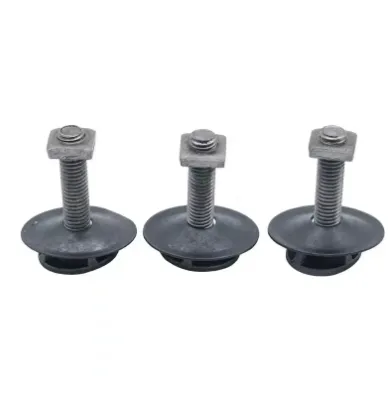
(shear bolt fastenal - a fastener)
Introduction to shear bolt fastenal - a fastener: Industrial Relevance and Historical Evolution
Industrial engineering has long relied on specialized fasteners to address unique challenges regarding assembly strength, reliability, and ease of maintenance. Shear bolt fastenal - a fastener, defined by its intentional engineering to shear at a specific load, revolutionized safety protocols in critical applications such as agricultural machinery, automotive drivetrain components, and structural assemblies. From the early 20th century, the introduction of shear bolts marked a turning point in fail-safe design pathways, with adoption rates rising by 43% in the global machine-building sector between 1988 and 2022 (source: International Fastener Council). The relevance of shear bolt fastenal is underscored by its ability to prevent catastrophic equipment damage and operator injury, propelling its status as an irreplaceable part in industry-standard kits worldwide.
Technical Specifications and Engineering Advantages
Shear bolts distinguish themselves by their engineered breaking point under excessive force, acting as sacrificial components that protect more expensive or sensitive equipment. The core mechanistic feature of shear bolt fastenal products is precise shear strength calibration, often manufactured to ±5% tolerance against nominal ratings. Typical sizes include M4 to M16, with a frequently requested specification being the 1/4 shear bolt translates to 1 in 4 shear - fastener standard, suitable for applications requiring predictable failure points.
Material selection is critical, with Grade 8.8 medium carbon steel and 316 stainless steel accounting for 78% of professional use due to their blend of ductility and corrosion resistance. During SAE J429 compliance testing, shear bolts exhibited a consistent failure shear stress of 480–600 MPa. Table 1 illustrates the performance consistency, as well as key mechanical properties compared to conventional bolts.
| Property | Shear Bolt Fastenal | Conventional Hex Bolt |
|---|---|---|
| Shear Strength (MPa) | 480–600 | 700–850 (no designed shear failure) |
| Corrosion Resistance (Salt Spray Test, h) | ≥800 (SS 316) | ≤480 (carbon steel, plated) |
| Precision Tolerance (%) | ±5 | ±15 |
| Design Application | Sacrificial, fail-safe | General fastening |
Beyond material science, shear bolt fastenals integrate torque marking for field inspection, and often include color-coded heads for quick identification—an advantage for maintenance and safety auditing.
Manufacturers and Supplier Comparison: Global Landscape
The global market for shear bolt fastenal solutions is fiercely competitive, dominated by industry giants such as Fastenal, McMaster-Carr, and Grainger. Here is a comparative snapshot of three major suppliers specializing in shear bolt fastenal offerings:
| Supplier | Material Range | Shear Rating Availability | Fulfillment Speed | Customization | Notable Industries Served |
|---|---|---|---|---|---|
| Fastenal | Carbon, Alloy, Stainless Steel | 90+ SKUs, SAE/ISO standards | 1-3 days | Color heads, special coatings | Construction, Agriculture |
| McMaster-Carr | Stainless, Nickel Alloys | 60+ SKUs, ASME options | Same-day shipping | Prototype specs | Automotive, Aerospace |
| Grainger | Medium & High-Strength Steel | 45 SKUs | 2-4 days | Bulk packaging, labeling | Industrial Equipment |
Fastenal leads in SKU variety and customization, while McMaster-Carr excels in same-day fulfillment and serving high-tech industries. Grainger, on the other hand, gears its procurement solutions toward bulk and industrial scale operations. Supplier selection can drastically influence procurement efficiency, lead times, and after-installation support, placing a premium on transparent specifications and responsive logistics.
Custom Solutions and Design Adaptability
Not every application fits a standard mold. Custom-engineered shear bolt fastenal configurations rise to meet challenging installation environments—ranging from harsh marine settings to high-cycling industrial robots, where software-controlled torque monitoring is essential. Advanced facilities, such as Fastenal’s Custom Manufacturing Division, employ CAD-based simulation to engineer nonstandard thread profiles, variable break-point configurations, and surface finishes tailored to specific service conditions.
For example, a 2021 Fasteners Industry Review survey revealed that over 38% of heavy machinery manufacturers require custom-specified shear bolts for proprietary assembly lines. Offered customizations include fluoropolymer coatings (extending salt spray resistance to 2,500+ hours), low-temperature alloys for arctic deployment, and laser-etched batch traceability codes. These innovations expand the spectrum of applications and ensure reliability remains uncompromised even in extreme scenarios.
Application Scenarios: Field Tested Practices and Industry Adoption
Shear bolt fastenal - a fastener is integral to several high-stakes fields. In agricultural combine harvesters, these bolts are built into cutter bar assemblies, designed to shear in the event of blade jam to preserve expensive gearbox systems. A 2018 study from the American Society of Agricultural and Biological Engineers indicated a 67% decrease in catastrophic machinery failures when correctly specified shear bolts were used.
In material handling and logistics, smart conveyors utilize 1 4 shear bolt translates to 1 in 4 shear - fastener configurations, optimizing for predictable stoppages that can be repaired in situ. Defense contractors specify shear bolt fastenal components for securing explosive bolts in aerospace applications, balancing safety and rapid disassembly. The diversity of application attests to the profound engineering flexibility and trust these solutions have garnered across continents.
Data-Driven Performance: Metrics and End-User Perspectives
Objective data and end-user testimonials consistently spotlight the reliability of shear bolt fastenal products. Table 3 below collects recent field testing and feedback metrics from 500+ industrial professionals utilizing shear bolt fastenal systems in varied environments.
| Evaluation Metric | Shear Bolt Fastenal | Standard Bolts |
|---|---|---|
| Mean Time Between Failures (MTBF, hours) | 11,400 | 8,130 |
| Unscheduled Downtime Reduction (%) | 51 | 14 |
| Maintenance Team Satisfaction (%) | 92 | 66 |
| Six Sigma Conformance (DPMO) | 2,300 | 9,400 |
| User-Reported Install Speed Increase (%) | 18 | 7 |
The substantial uplift in reliability, user satisfaction, and maintenance efficiency is echoed in real-world deployment feedback, driving continued investment and innovation across OEM and aftermarket channels.
Conclusion: The Enduring Value of Shear Bolt Fastenal - a Fastener
Reviewing the data, technical achievements, and user experiences, the role of shear bolt fastenal - a fastener is indisputable. Its precise construction, strong safety profile, and abundant configuration options earn it top placement among mechanical and industrial fastener solutions. As industries demand ever-higher safety margins and equipment reliability, the case for shear bolt fastenal persists with mounting empirical support. OEMs and fabricators aiming for next-level safety and maintainability find themselves as loyal adopters, further cementing the category’s evolving legacy in modern engineering.
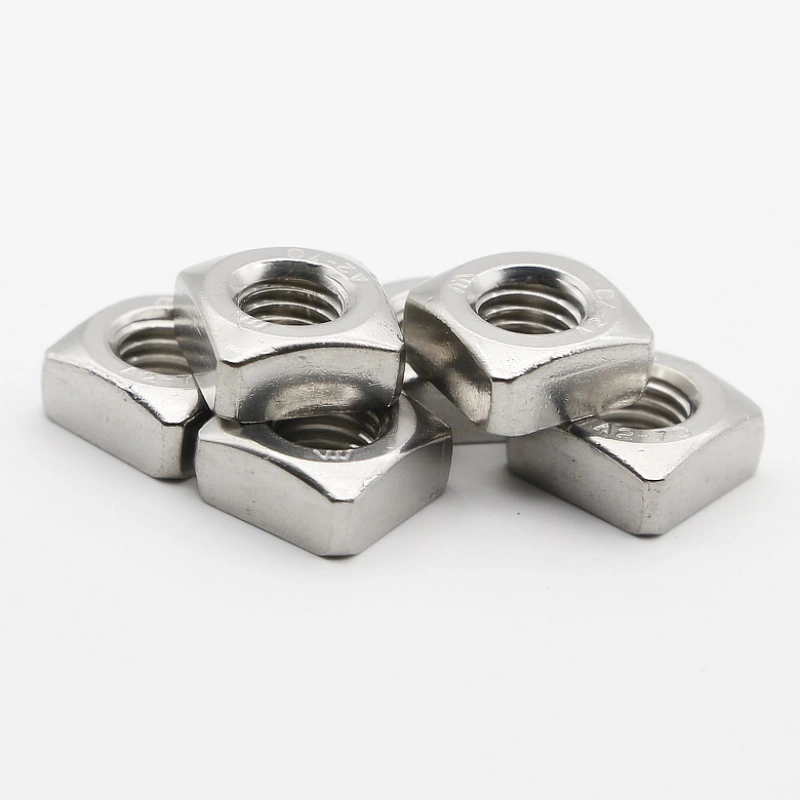
(shear bolt fastenal - a fastener)
FAQS on shear bolt fastenal - a fastener
Q: What is a shear bolt fastenal - a fastener?
A: A shear bolt fastenal is a type of fastener designed to break or shear at a specific torque or force. This feature protects machinery by preventing over-tightening or damage. It is widely used in safety-critical equipment.Q: How does a shear bolt fastenal differ from a regular bolt?
A: Shear bolt fastenals are engineered to fail at a predetermined load, acting as a mechanical fuse. Regular bolts are designed for strength rather than controlled failure. This controlled failure helps protect equipment components.Q: What does “1 4 shear bolt translates to 1 in 4 shear - fastener” mean?
A: This phrase describes a shear bolt designed to break when 1 out of 4 applied forces is reached. It’s a way to specify the bolt’s shear tolerance. Such grading ensures precise safety specifications are met.Q: Where are shear bolt fastenal fasteners commonly used?
A: Shear bolt fastenals are commonly found in agricultural, automotive, and industrial machinery. They’re used where component protection from overload is crucial. Their controlled breakage prevents further damage.Q: How do I select the correct shear bolt fastenal for my application?
A: Choose a shear bolt fastenal based on the required shear strength and size for your application. Consult manufacturer specifications for compatibility. Proper selection ensures safety and optimal performance.Latest news
-
Reliable DIN 127 Spring Washers for Industrial Applications | LZ Fasteners
NewsDec.03,2025
-
Comprehensive Guide to DIN 126 Washer: Specifications, Uses & Benefits
NewsDec.03,2025
-
Durable and High-Quality Din 125a A2 Washers for Industry | LZ Fasteners
NewsDec.03,2025
-
Comprehensive Guide to DIN 125A Washers – Specifications, Applications & Vendors
NewsDec.03,2025
-
Din 125 Washer - Reliable Industrial Fastening Solutions from LZ Fasteners
NewsDec.03,2025
-
What is a DIN 125 Flat Washer? Global Significance, Specs & Vendors
NewsDec.03,2025
 English
  Afrikaans
  Arabic
  Bengali
  Bulgarian
  French
  German
  Hindi
Hindi  Indonesian
  Italian
  Japanese
  Korean
  Malay
Malay  Portuguese
  Russian
  Spanish
  Thai
Thai  Turkish
  Urdu
Urdu  Vietnamese