



Self Tapping Screws for Drywall - Strong Grip, No Pre-Drill
Why Contractors Keep Asking For Self Tapping Screws For Drywall (and When the Hex Washer Type Makes Sense)
I’ve stood on enough jobsites to know: when time is tight, hardware either helps you or slows you down. If you’re speccing Self Tapping Screws For Drywall, the hex washer flange style with EPDM gasket isn’t your everyday bugle-head screw; it’s the niche workhorse for moisture-prone assemblies, MEP attachments behind gypsum, and airtight builds where a leak or squeak costs money.
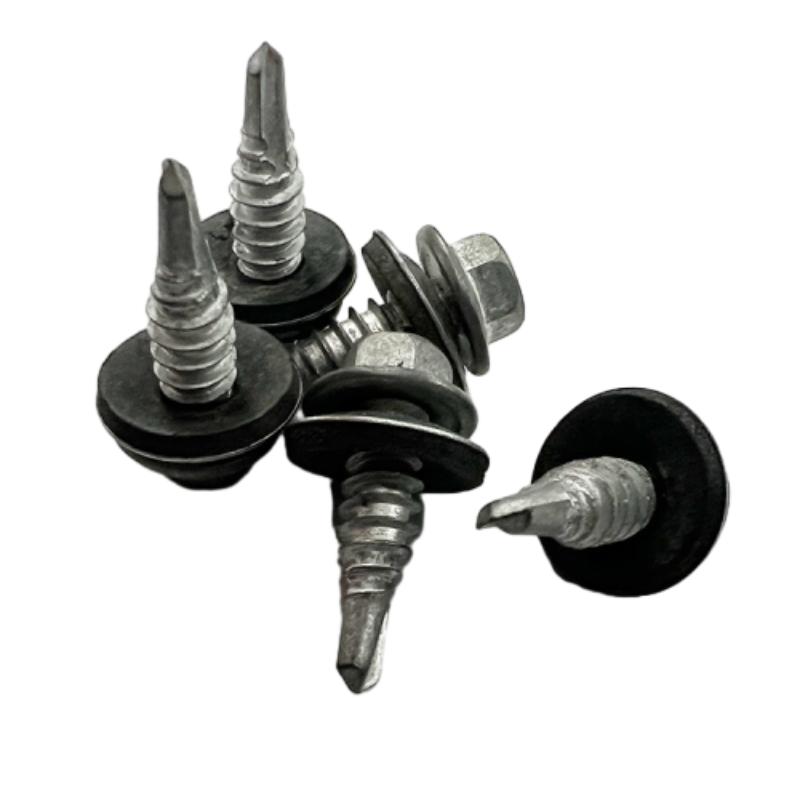
Product at a Glance
The Hexagon Washer Flange Tapping Screw with EPDM Rubber Gasket—manufactured in Yongnian District, Handan City, Hebei (south of Xi Zhaozhuang Village, west side of Jianshe Road)—targets light-gauge steel framing, accessories, and penetrations behind drywall where sealing matters. The EPDM bonded washer compresses for an airtight, water-resistive seat; the hex washer flange head spreads load and resists tear-through. To be honest, it’s overkill for simple board-to-stud fastening—but a lifesaver for service cavities, bathrooms, utility rooms, and exterior sheathing transitions.
| Nominal sizes | #8–#12 (≈4.2–5.5 mm) x 16–50 mm, custom on request |
| Head/drive | Hex washer flange, external hex (around 1/4" for #8/10) |
| Thread/point | Self-tapping thread, sharp point; per ISO 1478 profile |
| Material / hardness | Carbon steel, case-hardened; core ≈ HRC 28–38, case 45–50 (real-world may vary) |
| Coatings | Zinc, zinc-nickel, Ruspert or Dacromet; ISO 4042 compliant |
| Washer | Bonded metal+EPDM, ≈14 mm OD for #8/10; UV and ozone resistant |
| Test data (typ.) | Salt spray ≥ 240–1,000 h (ASTM B117, by coating); drive torque ≈ 2.5–4.0 N·m; pull-out in 0.7–1.2 mm steel ≈ 0.5–1.0 kN |
| Standards | EN 14566 for gypsum fasteners; ASTM C1002/C954 usage guidance; ISO 1478 thread |
Where It Shines
- Mounting MEP hangers, clips, and brackets to steel track behind gypsum boards.
- Sealing penetrations near wet zones—bathrooms, laundries, spa rooms—before drywall goes on.
- Air barrier/vapor control continuity around service openings; EPDM reduces unintended leaks.
- Exterior sheathing to framing interfaces (pre-drywall), especially where incidental moisture is expected.
For straightforward board attachment, a bugle-head drywall screw is still the champ. But when designers call for airtightness metrics or corrosion class upgrades, Self Tapping Screws For Drywall with gaskets deliver measurable gains.
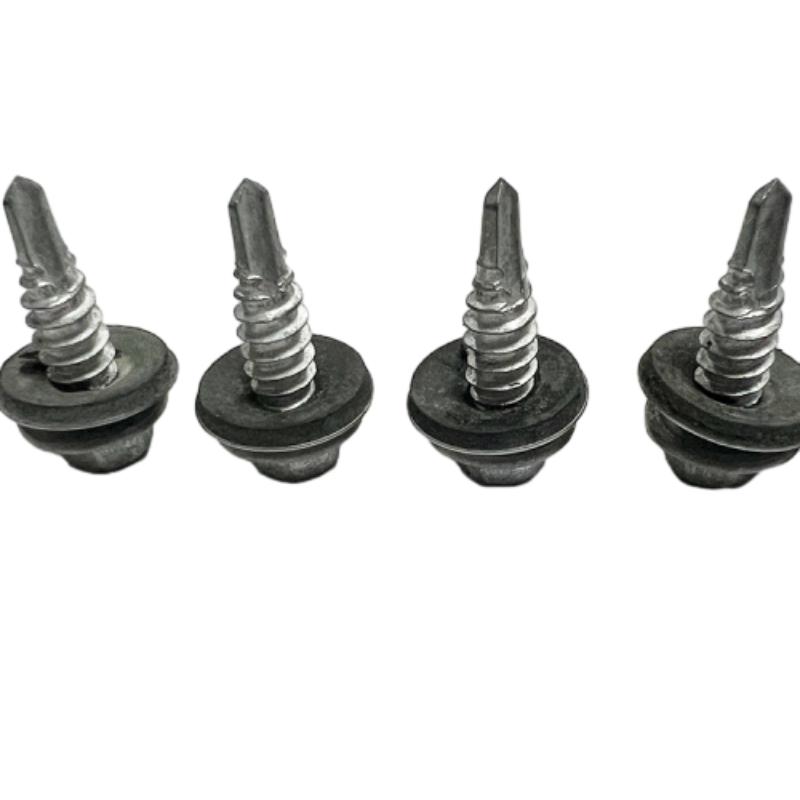
Manufacturing & Quality Flow (short version)
Materials: selected low-carbon steel wire rod → cold heading → thread rolling → case hardening → surface coating (zinc, Zn-Ni, or Ruspert) → bonded washer assembly → 100% visual → sampling tests: torque, drive, hardness, pull-out, coating thickness, salt spray (ASTM B117). Certifications often include ISO 9001 and RoHS/REACH declarations. Typical indoor service life ≈ 15–20 years; coastal or high-chloride zones may need Zn-Ni or Ruspert for ≈ 10–15 years (conditions vary).
Vendor Snapshot
| Vendor | Coating options | Salt spray (NSS) | Lead time | Certs |
| LZ Fasteners (Hebei) | Zinc, Zn-Ni, Ruspert | 240–1,000 h (by spec) | 7–20 days | ISO 9001, RoHS |
| Brand X | Zinc, E-coat | 120–480 h | 10–30 days | ISO 9001 |
| Generic Import | Zinc only | ≤ 120 h | 15–45 days | Varies |
Field Notes, Trends, Customization
Trend-wise, airtight construction and better IAQ testing push more contractors to gasketed fasteners. Many customers say call-backs dropped after switching to EPDM-sealed screws in wet cores. Custom options: diameters, lengths, coatings, head colors, private labeling, and packaging by trade. Origin is fully traceable to Yongnian—China’s well-known fastener hub.
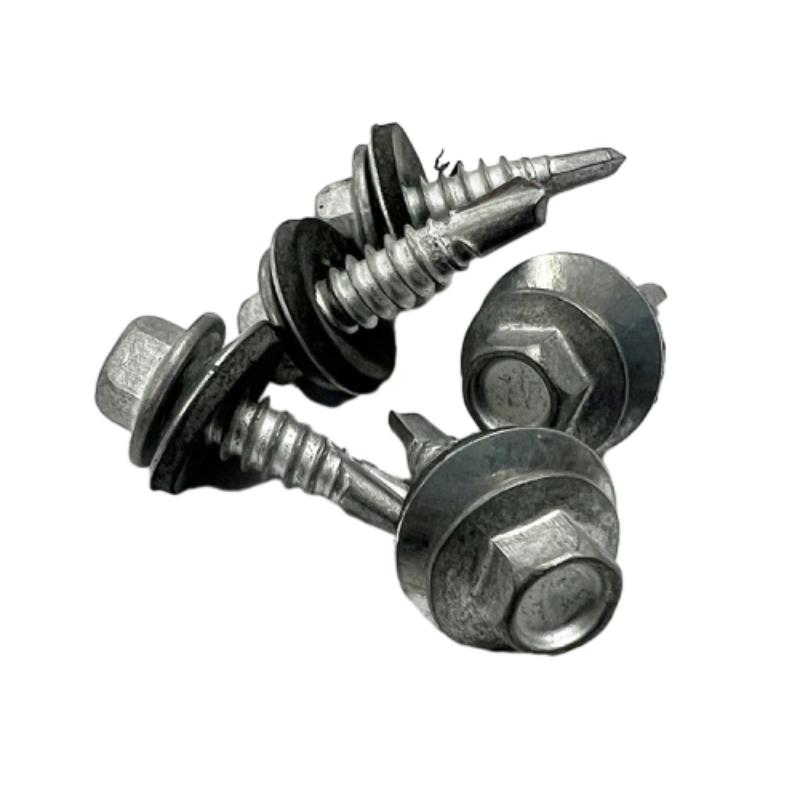
Mini Case Study
A coastal spa renovation used Self Tapping Screws For Drywall with Zn-Ni coating and EPDM washers to mount service rails and seal small penetrations before board-up. Punch lists flagged zero moisture stains after 6 months, and the GC reported faster installs thanks to the hex drive’s positive engagement.
Standards & Good Practice
- Use EN 14566-listed fasteners where applicable; match screw type to substrate thickness.
- For DIY: pre-mark torque; overtightening can crush EPDM and reduce seal life.
- Specify ASTM B117 salt spray targets when bidding humid or coastal projects.
References:
1) ASTM C1002, ASTM C954 (Gypsum to wood/steel and drill screws)
2) EN 14566: Fasteners for gypsum plasterboard systems
3) ISO 1478: Tapping screw threads
4) ASTM B117: Salt Spray Testing
Latest news
-
Reliable DIN 127 Spring Washers for Industrial Applications | LZ Fasteners
NewsDec.03,2025
-
Comprehensive Guide to DIN 126 Washer: Specifications, Uses & Benefits
NewsDec.03,2025
-
Durable and High-Quality Din 125a A2 Washers for Industry | LZ Fasteners
NewsDec.03,2025
-
Comprehensive Guide to DIN 125A Washers – Specifications, Applications & Vendors
NewsDec.03,2025
-
Din 125 Washer - Reliable Industrial Fastening Solutions from LZ Fasteners
NewsDec.03,2025
-
What is a DIN 125 Flat Washer? Global Significance, Specs & Vendors
NewsDec.03,2025
 English
  Afrikaans
  Arabic
  Bengali
  Bulgarian
  French
  German
  Hindi
Hindi  Indonesian
  Italian
  Japanese
  Korean
  Malay
Malay  Portuguese
  Russian
  Spanish
  Thai
Thai  Turkish
  Urdu
Urdu  Vietnamese