



shear bolt 5 16 18 x 1.5
Understanding the Shear Bolt A Focus on the 5/16 x 1.5 Inch Specification
In the realm of mechanical engineering and structural applications, shear bolts play a crucial role as fasteners designed to withstand shear forces. Among the various sizes and specifications available, the 5/16 x 1.5 inch shear bolt stands out due to its specific dimensions and impressive strength characteristics.
Understanding the Shear Bolt A Focus on the 5/16 x 1
.5 Inch SpecificationThe length of 1.5 inches is another critical factor that contributes to the overall effectiveness of the shear bolt. A length of 1.5 inches provides ample threading for secure installation, ensuring that the bolt is fully engaged in the material it is fastening. This engagement is essential to prevent loosening over time, which could lead to mechanical failure or safety hazards.
shear bolt 5 16 18 x 1.5
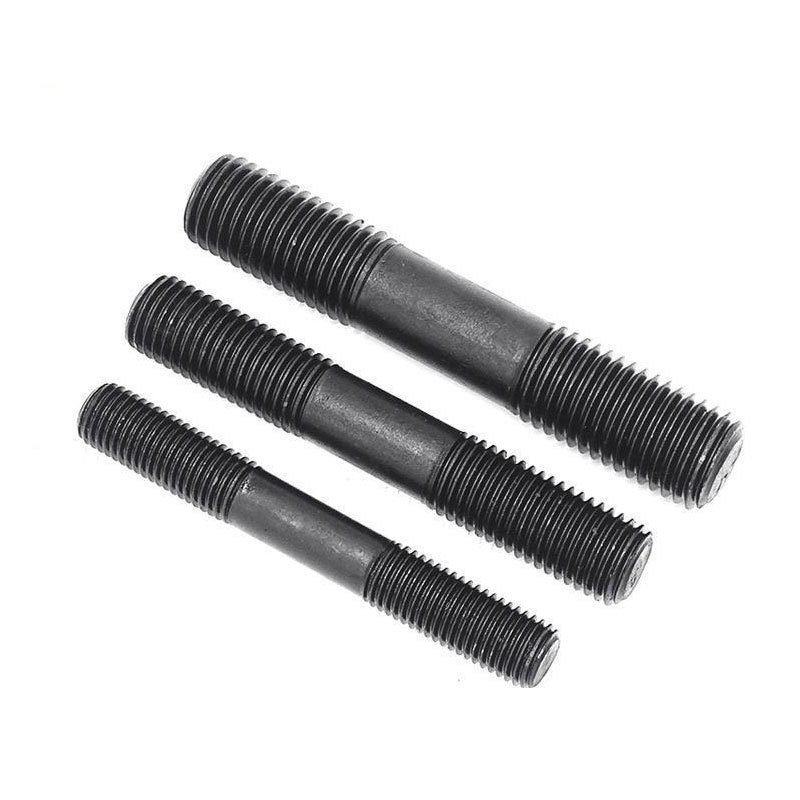
When selecting a shear bolt, it is vital to consider the material composition. Many shear bolts are made from high-strength steel or alloy materials, which enhance their durability and resistance to wear and tear. The tensile strength and yield strength of these materials determine the bolt's ability to bear loads without deformity.
Furthermore, the design of shear bolts often includes features such as hex heads or round heads that facilitate easy installation and torque application. These attributes not only make assembly efficient but also ensure that the bolt can be easily removed when necessary.
In summary, the 5/16 x 1.5 inch shear bolt is a robust fastener that plays an essential role in various mechanical applications. Its size, material properties, and design features make it suitable for handling substantial shear forces, making it a preferred choice for engineers and technicians alike. Understanding the specifications and advantages of this shear bolt can aid professionals in selecting the right fasteners for their projects, ensuring safety and reliability in the structures they build. As industries continue to evolve, the demand for reliable fasteners like the shear bolt will remain critical, underscoring the importance of understanding these essential components.
Latest news
-
Reliable DIN 127 Spring Washers for Industrial Applications | LZ Fasteners
NewsDec.03,2025
-
Comprehensive Guide to DIN 126 Washer: Specifications, Uses & Benefits
NewsDec.03,2025
-
Durable and High-Quality Din 125a A2 Washers for Industry | LZ Fasteners
NewsDec.03,2025
-
Comprehensive Guide to DIN 125A Washers – Specifications, Applications & Vendors
NewsDec.03,2025
-
Din 125 Washer - Reliable Industrial Fastening Solutions from LZ Fasteners
NewsDec.03,2025
-
What is a DIN 125 Flat Washer? Global Significance, Specs & Vendors
NewsDec.03,2025
 English
  Afrikaans
  Arabic
  Bengali
  Bulgarian
  French
  German
  Hindi
Hindi  Indonesian
  Italian
  Japanese
  Korean
  Malay
Malay  Portuguese
  Russian
  Spanish
  Thai
Thai  Turkish
  Urdu
Urdu  Vietnamese