



Premium Fan Fasteners: Secure Mounting for Optimal Cooling
Industry Overview & Trends in Fastener Technology
The industrial landscape's relentless pursuit of efficiency, durability, and safety places immense demands on critical components, none more so than industrial fasteners. Among the vast array of specialized components, the fan fastener, exemplified by high-performance Hex Flange Bolts, plays a pivotal role in securing rotating machinery and ventilation systems. These specialized fasteners are designed to withstand dynamic loads, vibrations, and often extreme environmental conditions. The global market for fasteners is currently experiencing robust growth, driven by expansion in manufacturing, infrastructure, and renewable energy sectors. Projections indicate the global industrial fasteners market to reach approximately $115 billion by 2027, with a compound annual growth rate (CAGR) of over 4.5% from 2022. This growth is largely fueled by technological advancements in materials science, precision manufacturing, and the increasing demand for high-strength, corrosion-resistant solutions.
Key trends impacting fasteners manufacturers include the escalating demand for lightweight yet robust materials, such as advanced alloys and composites, to improve energy efficiency and reduce operational costs. There's also a significant push towards smart fastening solutions incorporating sensors for predictive maintenance and real-time performance monitoring. Digitalization across the supply chain, from design to delivery, is optimizing production cycles for leading fastener suppliers. Furthermore, stringent regulatory standards for safety and environmental compliance continue to drive innovation in fastener design and material selection, ensuring that every component, including the specialized fan fastener, meets the highest benchmarks for reliability and longevity.
Technical Specifications: Hex Flange Bolts as Fan Fasteners
The fan fastener, in the form of a Hex Flange Bolt, is engineered for superior load distribution and enhanced vibration resistance. Its integrated washer-like flange eliminates the need for a separate washer, providing a larger bearing surface that reduces the risk of loosening and damage to the bolted material. This design is critical in applications involving rotational forces and continuous vibration, common in industrial fans and blowers.
Key Parameters and Materials:
These fasteners are available in various fastener material types to suit diverse operational environments and mechanical stresses. Common materials include:
- Carbon Steel (e.g., Grade 8.8, 10.9, 12.9): Offers high tensile strength and is often zinc-plated or hot-dip galvanized for corrosion resistance. Ideal for general industrial applications.
- Stainless Steel (e.g., A2/304, A4/316): Provides excellent corrosion resistance, crucial for applications in corrosive atmospheres such as chemical processing, marine, or wastewater treatment plants. A4/316 offers superior resistance to chlorides.
- Alloy Steel (e.g., B7, L7): Heat-treated for enhanced strength and fatigue resistance, often used in high-temperature or low-temperature critical applications.
- Duplex/Super Duplex Stainless Steels: For extreme corrosion resistance and high strength, found in offshore, petrochemical, and highly acidic environments.
Product Specification Table: Hex Flange Bolts
| Parameter | Specification / Standard | Details |
|---|---|---|
| Standard | DIN 6921, ISO 8100, ANSI/ASME B18.2.1 | International & National Standards for Hex Flange Bolts |
| Material Grades | Carbon Steel (4.8, 8.8, 10.9, 12.9), Stainless Steel (A2, A4), Alloy Steel (B7, L7) | Tensile Strength from 400 MPa to 1200 MPa |
| Diameter Range | M5 to M24 (Metric), 1/4" to 1" (Imperial) | Custom sizes available upon request |
| Length Range | 10mm to 200mm (Metric), 1/2" to 8" (Imperial) | Partial or Full Thread Options |
| Surface Treatment | Zinc Plating (Cr3+), Hot Dip Galvanizing, Black Oxide, Dacromet, Geomet | Corrosion resistance ratings varying by treatment |
| Head Type | Hex Flange Head (Serrated or Non-Serrated) | Serrations prevent loosening under vibration |
| Thread Type | Coarse Thread (UNC, M), Fine Thread (UNF, MF) | Optimized for specific clamping loads and applications |
Understanding these detailed specifications is crucial for engineers and procurement specialists to select the optimal fan fastener for their specific machinery and environmental challenges.
Manufacturing Process Flow for Fan Fasteners
The production of high-quality fan fasteners is a multi-stage, precision-controlled process, ensuring consistency, strength, and reliability. This intricate sequence starts with raw material selection and culminates in stringent quality assurance.
Detailed Process Steps:
- Material Selection & Preparation: High-grade steel wire rods (e.g., 10B21, 40Cr, 304, 316) are selected based on required mechanical properties and corrosion resistance. These are typically descaled and lubricated for subsequent processing.
- Cold Forging/Heading: The wire is fed into a multi-station cold heading machine. Through a series of dies, the wire is cut, and the head and flange shape of the bolt are formed without heating the material above its recrystallization temperature. This process enhances grain structure and mechanical strength.
- Thread Rolling: The formed bolt blanks are then transferred to thread rolling machines. Two dies (one stationary, one moving) impress the thread profile onto the bolt shank, displacing material rather than cutting it. This creates stronger threads with improved fatigue resistance compared to cut threads.
- Heat Treatment: Carbon and alloy steel fasteners undergo precise heat treatment processes. This typically involves hardening (heating to austenitic temperature, then quenching) and tempering (reheating to a lower temperature). This achieves the specified hardness, tensile strength, and ductility (e.g., ISO 898-1 standards). Stainless steels may undergo solution annealing.
- Surface Treatment: Depending on application requirements, bolts receive various surface treatments. Common options include zinc plating (electrolytic, often with Cr3+ passivation), hot-dip galvanizing for heavy corrosion protection, black oxide, Dacromet, or Geomet coatings for enhanced durability and specific friction coefficients.
- Post-Treatment Inspection & Packaging: Each batch undergoes rigorous quality control, including dimensional checks, mechanical property tests (tensile, yield, hardness, proof load), and coating thickness verification. Non-destructive testing methods like eddy current or magnetic particle inspection may be used for critical applications. Fasteners are then packaged to prevent damage during transit.
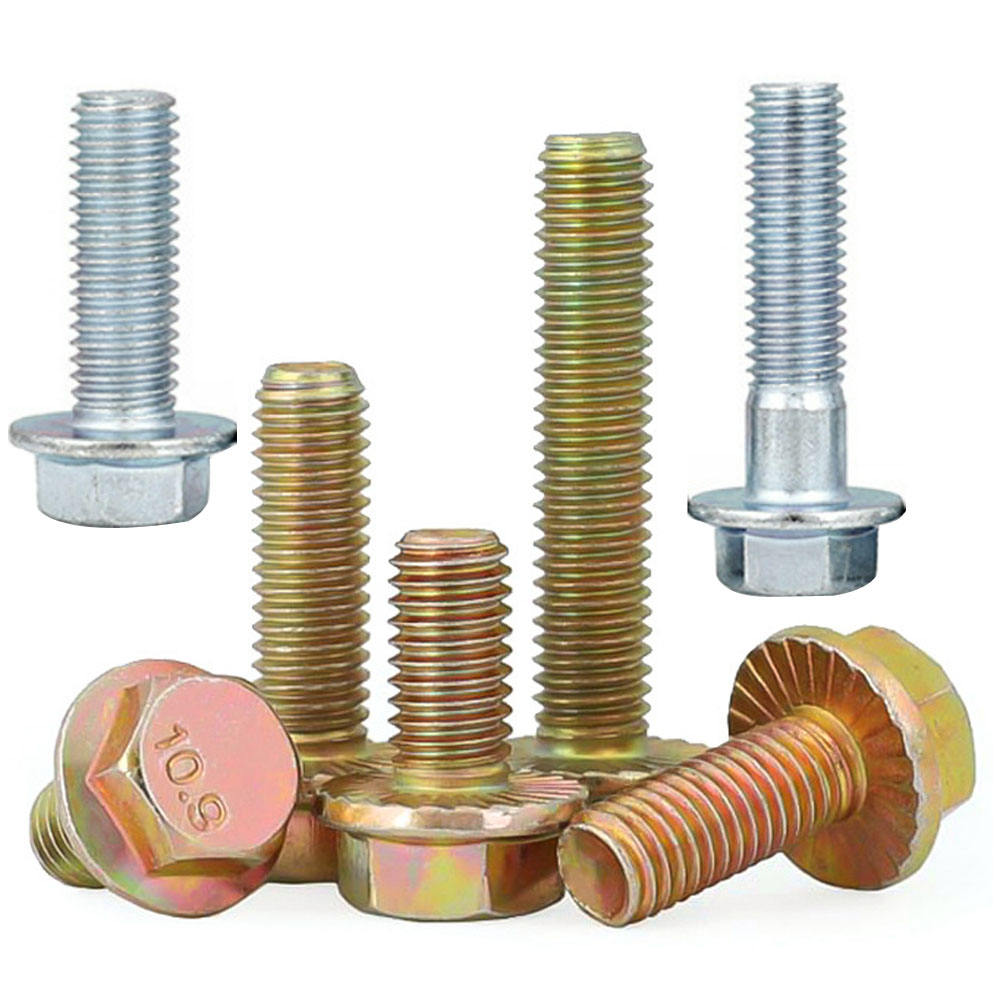
Fig 1: Schematic representation of the fan fastener manufacturing process.
This meticulous process, adhering to international standards like ISO 898-1 for mechanical properties and ISO 4042 for surface finishes, ensures that every fan fastener produced by reputable fasteners manufacturers delivers optimal performance and a long service life, typically exceeding 15-20 years in standard operating conditions. Target industries for such precision-engineered fasteners include petrochemical, metallurgy, power generation, and water supply & drainage.
Technical Advantages & Performance Benefits
The specialized design and material selection of the fan fastener offer significant technical advantages, particularly in demanding industrial applications where reliability is paramount.
- Superior Vibration Resistance: The integrated flange with optional serrations significantly increases the friction under the bolt head, effectively preventing self-loosening even under severe dynamic loads and continuous vibration. This is critical for machinery like industrial fans, compressors, and pumps.
- Enhanced Load Distribution: The larger bearing surface of the flange distributes the clamping force over a greater area, reducing stress concentration on the fastened material and preventing damage or deformation, especially with softer materials or thin-walled components. This contributes to energy saving by maintaining optimal structural integrity.
- Corrosion Resistance: Available in stainless steel grades (A2, A4) or with advanced coatings like hot-dip galvanizing, Dacromet, or Geomet, these fasteners provide excellent corrosion resistance against aggressive chemicals, moisture, and extreme temperatures, prolonging the service life of the entire assembly.
- Simplified Assembly & Cost Efficiency: By integrating the washer function, Hex Flange Bolts streamline the assembly process, reduce component count, and eliminate the possibility of omitting a washer. This leads to faster installation times and reduced labor costs.
- High Tensile Strength & Fatigue Life: Manufactured from high-strength steels (e.g., Grade 10.9, 12.9) and through precision thread rolling, these fasteners exhibit superior tensile strength and an extended fatigue life, ensuring structural integrity in high-stress applications.
- Reliability in Critical Environments: The robust design and material choices ensure consistent performance in challenging environments such as high heat in power plants, corrosive atmospheres in petrochemical facilities, or underwater applications in water supply and drainage systems.
These combined advantages make the Hex Flange Bolt an indispensable fan fastener for industries where operational reliability and safety cannot be compromised. The intrinsic design and material properties contribute directly to extended maintenance cycles and reduced downtime, translating into significant long-term savings.
Application Scenarios & Target Industries
The versatility and robustness of the fan fastener, particularly Hex Flange Bolts, make them ideal for a broad spectrum of industrial applications where secure, vibration-resistant fastenings are paramount.
Key Target Industries and Examples:
- Petrochemical & Oil & Gas: Used in pipelines, pressure vessels, heat exchangers, and drilling equipment where high strength, corrosion resistance (e.g., in sour gas environments), and resistance to thermal cycling are critical. Example: Securing flange connections on chemical processing units.
- Metallurgy & Heavy Industry: Fastening structural components in steel mills, foundries, and heavy machinery operating under extreme temperatures, heavy loads, and abrasive conditions. Example: Assembly of furnace parts or conveyor belt systems.
- Water Supply & Drainage Systems: Essential for securing pumps, valves, filtration units, and piping in water treatment plants and distribution networks, requiring excellent corrosion resistance against water and chemicals. Example: Fastening pump housings in wastewater treatment facilities.
- Power Generation (Thermal, Nuclear, Renewable): Critical for turbine assemblies, generator components, structural supports, and cooling systems. The need for high-temperature resistance and long-term stability is paramount. Example: Securing blades on wind turbines (though often specialized studs/bolts are used, hex flange bolts for ancillary components).
- Automotive & Transportation: Used in engine components, chassis assembly, and exhaust systems, where vibration resistance and high-temperature performance are crucial.
- HVAC & Ventilation Systems: Directly relevant to the "fan" in fan fastener. These bolts secure fan blades, motor mounts, housing components, and ductwork in large industrial ventilation systems, air handlers, and cooling towers, where continuous operation and vibration are constants.
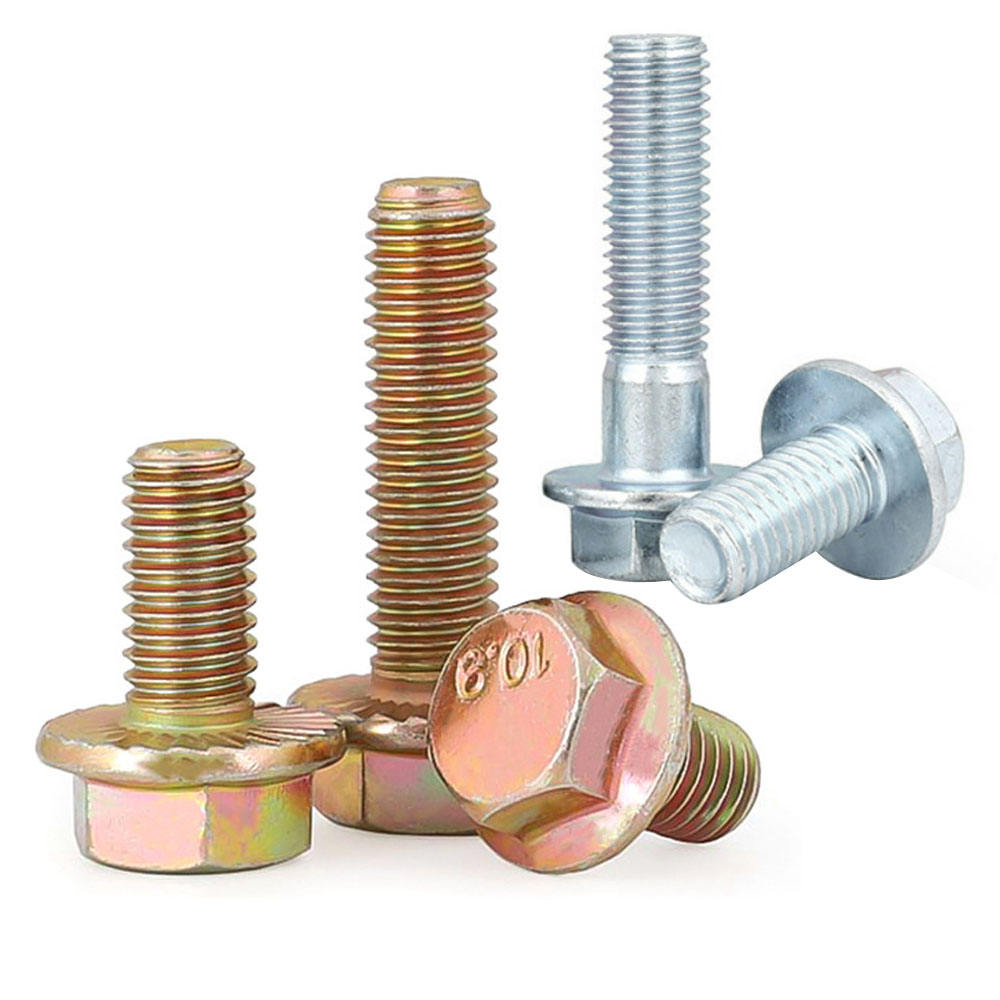
Fig 2: Example of industrial equipment utilizing robust fan fastener solutions.
In each of these sectors, the ability of a properly specified fan fastener to maintain joint integrity under dynamic and harsh conditions directly translates to improved operational safety, reduced maintenance costs, and prolonged equipment lifespan.
Customized Solutions for Specific Demands
While standard Hex Flange Bolts address a wide range of requirements, many industrial applications necessitate bespoke fan fastener solutions. Leading fasteners manufacturers and fastener suppliers offer comprehensive customization services to meet precise engineering specifications.
Areas of Customization:
- Material & Grade: Beyond standard carbon and stainless steels, custom solutions can involve exotic alloys like Inconel, Monel, Hastelloy, or titanium for extreme temperatures, highly corrosive media, or non-magnetic requirements.
- Dimensions & Threading: Non-standard diameters, lengths, thread pitches, or specialized thread forms (e.g., left-hand threads, self-tapping features) can be engineered for unique assembly challenges.
- Head & Flange Design: Custom flange diameters, thicknesses, or specific serration patterns to optimize grip on particular surfaces. Special head designs for anti-tamper or aesthetic requirements.
- Surface Coatings & Treatments: Application-specific coatings for enhanced lubricity, electrical insulation, UV resistance, or extreme abrasion protection, in addition to standard corrosion-resistant treatments.
- Mechanical Properties: Tailored heat treatment processes to achieve specific hardness, tensile, or fatigue strength profiles beyond standard grade specifications, as verified by advanced mechanical testing.
- Integrated Features: Incorporating additional elements like captive washers, patch locks, or sealant applications directly onto the fastener body to further enhance performance and assembly efficiency.
Engaging with experienced fasteners manufacturers for custom solutions ensures that the final product perfectly integrates with the application, delivering optimal performance and longevity, often leading to significant improvements in operational reliability and total cost of ownership. This collaborative approach often involves detailed engineering consultation, prototyping, and comprehensive testing to validate the customized fan fastener solution.
Vendor Comparison: Choosing the Right Fastener Supplier
Selecting the right fastener suppliers is as critical as specifying the fastener itself. The quality, consistency, and support provided by a vendor directly impact project timelines, product reliability, and ultimately, a company's reputation. Below is a comparison table outlining key factors to consider when evaluating fasteners manufacturers for your fan fastener needs.
Key Comparison Factors for Fastener Suppliers
| Factor | Premium Supplier Attributes | Standard Supplier Attributes |
|---|---|---|
| Product Quality & Certifications | ISO 9001, AS9100, PED, IATF 16949 certified. Comprehensive MTRs (Material Test Reports) and PPAP documentation. Consistent adherence to international standards (ISO, ANSI, DIN). | Basic quality checks. May lack specific industry certifications or detailed documentation for every batch. |
| Customization Capabilities | In-house engineering & R&D team. Ability to produce highly specialized designs, exotic materials, and custom finishes with short lead times for prototypes. | Limited customization options; generally offers standard products or minor modifications. May outsource complex custom work. |
| Lead Times & Logistics | Globally optimized supply chain. Reliable, often shorter lead times with inventory management solutions (VMI). Excellent on-time delivery record. | Variable lead times. Less integrated logistics, potentially leading to delays or higher shipping costs. |
| Technical Support & Expertise | Dedicated technical sales and engineering support. Offers design consultation, failure analysis, and on-site assistance. Access to fastener video tutorials and detailed fastener pdf documents. | Basic product information. Limited in-depth technical guidance or design assistance. |
| Pricing & Value | Competitive pricing for certified quality, supported by long-term cost-of-ownership savings due to product longevity and reliability. Transparent pricing structure. | Lower upfront costs, but potential for higher total cost due to quality issues, replacements, or lost production. |
| Client Portfolio & Experience | Extensive experience with major clients in demanding industries. Multi-year track record of successful projects and strong client testimonials. | Limited track record, smaller client base, or less exposure to critical industry applications. |
For critical applications requiring a high-performance fan fastener, partnering with a premium supplier that demonstrates strong adherence to quality standards (like ISO 9001), robust technical support, and proven customization capabilities is a strategic decision that mitigates risk and ensures long-term operational success.
Application Case Studies & Customer Experience
Real-world applications underscore the critical role of robust fan fastener solutions. These case studies highlight the tangible benefits delivered in diverse industrial settings.
Case Study 1: High-Volume Industrial Ventilation System
A major automotive manufacturing plant sought to upgrade its paint shop ventilation system, which involved large, continuously operating axial fans. Previous fasteners (standard hex bolts with separate washers) frequently loosened due to constant vibration and dynamic loads, leading to unscheduled downtime for re-tightening and occasional component damage. Upon recommendation, the plant transitioned to M16 Hex Flange Bolts (Grade 10.9) with serrated flanges.
- Solution: Serrated Hex Flange Bolts, eliminating separate washers and enhancing grip.
- Outcome: After 18 months of continuous operation, there were zero reported instances of fastener loosening. The plant reported a 15% reduction in maintenance hours related to fastener checks and re-tightening, leading to an estimated annual saving of $45,000 in labor and reduced downtime.
- Customer Feedback: "The Hex Flange Bolts provided a 'fit and forget' solution, dramatically improving the reliability of our critical ventilation infrastructure."
Case Study 2: Offshore Wind Turbine Ancillary Components
An OEM for offshore wind turbine components faced challenges with corrosion and fatigue in the fasteners used for securing access ladders and service platforms within the turbine tower. Standard galvanized fasteners showed accelerated degradation in the saline, humid environment, requiring premature replacement.
- Solution: Custom-designed A4/316 Stainless Steel Hex Flange Bolts with an additional specialized marine-grade coating for enhanced galvanic corrosion resistance.
- Outcome: Fastener lifespan increased from an average of 3 years to over 10 years, significantly reducing maintenance frequency and the high costs associated with offshore repairs. This also improved safety for maintenance personnel.
- Customer Feedback: "The customized stainless steel fan fastener solution proved invaluable in extending the service intervals for our offshore assets, directly contributing to the long-term viability of our projects. The technical expertise in material selection was exceptional."
Trustworthiness & Support: Your Partner in Fastening Solutions
Building trust is paramount in B2B relationships. As a leading provider of industrial fasteners, including the specialized fan fastener, we are committed to transparency, reliability, and unparalleled customer support. Our adherence to international standards and robust service infrastructure ensures peace of mind for our clients.
Frequently Asked Questions (FAQ)
- Q: What makes Hex Flange Bolts suitable as a fan fastener?
- A: Their integrated flange provides a larger bearing surface, distributing clamping force more effectively and offering superior vibration resistance, crucial for rotating machinery like fans. The serrated flange option further enhances anti-loosening properties.
- Q: How do you ensure product quality?
- A: We adhere to ISO 9001 certified quality management systems. Every batch undergoes rigorous material analysis, dimensional checks, and mechanical testing (tensile strength, hardness, proof load) according to relevant international standards like ISO and ANSI. Full Material Test Reports (MTRs) are provided.
- Q: Can you provide fasteners for harsh environments?
- A: Absolutely. We offer Hex Flange Bolts in various corrosion-resistant materials (e.g., A4/316 stainless steel, duplex stainless steels) and with specialized coatings (e.g., hot-dip galvanizing, Dacromet) designed for marine, chemical, and high-temperature applications.
- Q: What fastener types do you offer?
- A: Our extensive product range includes various types of bolts, nuts, washers, screws, studs, and custom-fabricated fasteners. Our Hex Flange Bolts are a prime example of our specialized offerings for critical applications.
Lead Time & Fulfillment
Standard Hex Flange Bolts are typically available for dispatch within 3-5 business days from order confirmation for in-stock items. For custom orders or large-volume requests, lead times range from 3-6 weeks, depending on material availability, complexity, and production schedule. We utilize a robust global logistics network to ensure timely and efficient delivery, including expedited shipping options where required. Our sophisticated inventory management systems support just-in-time delivery for long-term partners.
Warranty Commitments
All our fasteners are backed by a comprehensive 12-month warranty against manufacturing defects and material failures, starting from the date of purchase. This warranty covers the replacement or repair of any non-conforming product under normal operating conditions. Our commitment extends to ensuring that our products meet or exceed all advertised specifications and industry standards.
Customer Support
Our dedicated customer support team is available Monday to Friday, 9:00 AM to 5:00 PM (GMT+8), to assist with product selection, technical inquiries, order tracking, and after-sales support. You can reach us via phone, email, or our online portal. We pride ourselves on responsive communication and expert technical guidance to ensure your project's success.
Conclusion
The fan fastener, embodied by the high-performance Hex Flange Bolt, is a testament to precision engineering in the industrial world. Its unique design and material flexibility address critical challenges in applications involving dynamic loads, high vibration, and corrosive environments. From the meticulous manufacturing process to its robust performance in diverse sectors like petrochemicals and power generation, this specialized fastener delivers unparalleled reliability and long-term value. By partnering with reputable fasteners manufacturers who prioritize quality, customization, and comprehensive support, industries can ensure the integrity and efficiency of their most vital machinery.
References
- Grand View Research. (2022). Industrial Fasteners Market Size, Share & Trends Analysis Report.
- ISO 898-1: Mechanical properties of fasteners made of carbon steel and alloy steel — Part 1: Bolts, screws and studs with specified property classes — Coarse thread and fine pitch thread.
- ASME B18.2.1: Square, Hex, Heavy Hex, and Askew Head Bolts and Hex, Heavy Hex, Hex Flange, Lobed Head, and Lag Screws (Inch Series).
- Nuts and Bolts. (2021). The Ultimate Guide to Fastener Coatings. Available at: nutsandbolts.com.au.
- European Industrial Fasteners Institute (EIFI). (2023). Fastener Technology Trends Report.
Latest news
-
Essential Guide to ms15795 856 Fasteners Precision and Reliability
NewsApr.16,2026
-
High Precision ms15795 852 Fasteners for Aerospace Applications
NewsApr.09,2026
-
Comprehensive Guide to MS15795 848 Fasteners for Aerospace and Industrial Applications
NewsApr.07,2026
-
Comprehensive Guide to MS15795 846 Fasteners for Aerospace and Industrial Use
NewsApr.04,2026
-
Comprehensive Guide to MS15795 844 Fasteners for Aerospace and Defense Applications
NewsMar.31,2026
-
Comprehensive Guide to MS15795 842 Fasteners for Aerospace and Defense
NewsMar.28,2026
Industry Overview & Trends in Fastener Technology
The industrial landscape's relentless pursuit of efficiency, durability, and safety places immense demands on critical components, none more so than industrial fasteners. Among the vast array of specialized components, the fan fastener, exemplified by high-performance Hex Flange Bolts, plays a pivotal role in securing rotating machinery and ventilation systems. These specialized fasteners are designed to withstand dynamic loads, vibrations, and often extreme environmental conditions. The global market for fasteners is currently experiencing robust growth, driven by expansion in manufacturing, infrastructure, and renewable energy sectors. Projections indicate the global industrial fasteners market to reach approximately $115 billion by 2027, with a compound annual growth rate (CAGR) of over 4.5% from 2022. This growth is largely fueled by technological advancements in materials science, precision manufacturing, and the increasing demand for high-strength, corrosion-resistant solutions.
Key trends impacting fasteners manufacturers include the escalating demand for lightweight yet robust materials, such as advanced alloys and composites, to improve energy efficiency and reduce operational costs. There's also a significant push towards smart fastening solutions incorporating sensors for predictive maintenance and real-time performance monitoring. Digitalization across the supply chain, from design to delivery, is optimizing production cycles for leading fastener suppliers. Furthermore, stringent regulatory standards for safety and environmental compliance continue to drive innovation in fastener design and material selection, ensuring that every component, including the specialized fan fastener, meets the highest benchmarks for reliability and longevity.
Technical Specifications: Hex Flange Bolts as Fan Fasteners
The fan fastener, in the form of a Hex Flange Bolt, is engineered for superior load distribution and enhanced vibration resistance. Its integrated washer-like flange eliminates the need for a separate washer, providing a larger bearing surface that reduces the risk of loosening and damage to the bolted material. This design is critical in applications involving rotational forces and continuous vibration, common in industrial fans and blowers.
Key Parameters and Materials:
These fasteners are available in various fastener material types to suit diverse operational environments and mechanical stresses. Common materials include:
- Carbon Steel (e.g., Grade 8.8, 10.9, 12.9): Offers high tensile strength and is often zinc-plated or hot-dip galvanized for corrosion resistance. Ideal for general industrial applications.
- Stainless Steel (e.g., A2/304, A4/316): Provides excellent corrosion resistance, crucial for applications in corrosive atmospheres such as chemical processing, marine, or wastewater treatment plants. A4/316 offers superior resistance to chlorides.
- Alloy Steel (e.g., B7, L7): Heat-treated for enhanced strength and fatigue resistance, often used in high-temperature or low-temperature critical applications.
- Duplex/Super Duplex Stainless Steels: For extreme corrosion resistance and high strength, found in offshore, petrochemical, and highly acidic environments.
Product Specification Table: Hex Flange Bolts
| Parameter | Specification / Standard | Details |
|---|---|---|
| Standard | DIN 6921, ISO 8100, ANSI/ASME B18.2.1 | International & National Standards for Hex Flange Bolts |
| Material Grades | Carbon Steel (4.8, 8.8, 10.9, 12.9), Stainless Steel (A2, A4), Alloy Steel (B7, L7) | Tensile Strength from 400 MPa to 1200 MPa |
| Diameter Range | M5 to M24 (Metric), 1/4" to 1" (Imperial) | Custom sizes available upon request |
| Length Range | 10mm to 200mm (Metric), 1/2" to 8" (Imperial) | Partial or Full Thread Options |
| Surface Treatment | Zinc Plating (Cr3+), Hot Dip Galvanizing, Black Oxide, Dacromet, Geomet | Corrosion resistance ratings varying by treatment |
| Head Type | Hex Flange Head (Serrated or Non-Serrated) | Serrations prevent loosening under vibration |
| Thread Type | Coarse Thread (UNC, M), Fine Thread (UNF, MF) | Optimized for specific clamping loads and applications |
Understanding these detailed specifications is crucial for engineers and procurement specialists to select the optimal fan fastener for their specific machinery and environmental challenges.
Manufacturing Process Flow for Fan Fasteners
The production of high-quality fan fasteners is a multi-stage, precision-controlled process, ensuring consistency, strength, and reliability. This intricate sequence starts with raw material selection and culminates in stringent quality assurance.
Detailed Process Steps:
- Material Selection & Preparation: High-grade steel wire rods (e.g., 10B21, 40Cr, 304, 316) are selected based on required mechanical properties and corrosion resistance. These are typically descaled and lubricated for subsequent processing.
- Cold Forging/Heading: The wire is fed into a multi-station cold heading machine. Through a series of dies, the wire is cut, and the head and flange shape of the bolt are formed without heating the material above its recrystallization temperature. This process enhances grain structure and mechanical strength.
- Thread Rolling: The formed bolt blanks are then transferred to thread rolling machines. Two dies (one stationary, one moving) impress the thread profile onto the bolt shank, displacing material rather than cutting it. This creates stronger threads with improved fatigue resistance compared to cut threads.
- Heat Treatment: Carbon and alloy steel fasteners undergo precise heat treatment processes. This typically involves hardening (heating to austenitic temperature, then quenching) and tempering (reheating to a lower temperature). This achieves the specified hardness, tensile strength, and ductility (e.g., ISO 898-1 standards). Stainless steels may undergo solution annealing.
- Surface Treatment: Depending on application requirements, bolts receive various surface treatments. Common options include zinc plating (electrolytic, often with Cr3+ passivation), hot-dip galvanizing for heavy corrosion protection, black oxide, Dacromet, or Geomet coatings for enhanced durability and specific friction coefficients.
- Post-Treatment Inspection & Packaging: Each batch undergoes rigorous quality control, including dimensional checks, mechanical property tests (tensile, yield, hardness, proof load), and coating thickness verification. Non-destructive testing methods like eddy current or magnetic particle inspection may be used for critical applications. Fasteners are then packaged to prevent damage during transit.
Fig 1: Schematic representation of the fan fastener manufacturing process.
This meticulous process, adhering to international standards like ISO 898-1 for mechanical properties and ISO 4042 for surface finishes, ensures that every fan fastener produced by reputable fasteners manufacturers delivers optimal performance and a long service life, typically exceeding 15-20 years in standard operating conditions. Target industries for such precision-engineered fasteners include petrochemical, metallurgy, power generation, and water supply & drainage.
Technical Advantages & Performance Benefits
The specialized design and material selection of the fan fastener offer significant technical advantages, particularly in demanding industrial applications where reliability is paramount.
- Superior Vibration Resistance: The integrated flange with optional serrations significantly increases the friction under the bolt head, effectively preventing self-loosening even under severe dynamic loads and continuous vibration. This is critical for machinery like industrial fans, compressors, and pumps.
- Enhanced Load Distribution: The larger bearing surface of the flange distributes the clamping force over a greater area, reducing stress concentration on the fastened material and preventing damage or deformation, especially with softer materials or thin-walled components. This contributes to energy saving by maintaining optimal structural integrity.
- Corrosion Resistance: Available in stainless steel grades (A2, A4) or with advanced coatings like hot-dip galvanizing, Dacromet, or Geomet, these fasteners provide excellent corrosion resistance against aggressive chemicals, moisture, and extreme temperatures, prolonging the service life of the entire assembly.
- Simplified Assembly & Cost Efficiency: By integrating the washer function, Hex Flange Bolts streamline the assembly process, reduce component count, and eliminate the possibility of omitting a washer. This leads to faster installation times and reduced labor costs.
- High Tensile Strength & Fatigue Life: Manufactured from high-strength steels (e.g., Grade 10.9, 12.9) and through precision thread rolling, these fasteners exhibit superior tensile strength and an extended fatigue life, ensuring structural integrity in high-stress applications.
- Reliability in Critical Environments: The robust design and material choices ensure consistent performance in challenging environments such as high heat in power plants, corrosive atmospheres in petrochemical facilities, or underwater applications in water supply and drainage systems.
These combined advantages make the Hex Flange Bolt an indispensable fan fastener for industries where operational reliability and safety cannot be compromised. The intrinsic design and material properties contribute directly to extended maintenance cycles and reduced downtime, translating into significant long-term savings.
Application Scenarios & Target Industries
The versatility and robustness of the fan fastener, particularly Hex Flange Bolts, make them ideal for a broad spectrum of industrial applications where secure, vibration-resistant fastenings are paramount.
Key Target Industries and Examples:
- Petrochemical & Oil & Gas: Used in pipelines, pressure vessels, heat exchangers, and drilling equipment where high strength, corrosion resistance (e.g., in sour gas environments), and resistance to thermal cycling are critical. Example: Securing flange connections on chemical processing units.
- Metallurgy & Heavy Industry: Fastening structural components in steel mills, foundries, and heavy machinery operating under extreme temperatures, heavy loads, and abrasive conditions. Example: Assembly of furnace parts or conveyor belt systems.
- Water Supply & Drainage Systems: Essential for securing pumps, valves, filtration units, and piping in water treatment plants and distribution networks, requiring excellent corrosion resistance against water and chemicals. Example: Fastening pump housings in wastewater treatment facilities.
- Power Generation (Thermal, Nuclear, Renewable): Critical for turbine assemblies, generator components, structural supports, and cooling systems. The need for high-temperature resistance and long-term stability is paramount. Example: Securing blades on wind turbines (though often specialized studs/bolts are used, hex flange bolts for ancillary components).
- Automotive & Transportation: Used in engine components, chassis assembly, and exhaust systems, where vibration resistance and high-temperature performance are crucial.
- HVAC & Ventilation Systems: Directly relevant to the "fan" in fan fastener. These bolts secure fan blades, motor mounts, housing components, and ductwork in large industrial ventilation systems, air handlers, and cooling towers, where continuous operation and vibration are constants.
Fig 2: Example of industrial equipment utilizing robust fan fastener solutions.
In each of these sectors, the ability of a properly specified fan fastener to maintain joint integrity under dynamic and harsh conditions directly translates to improved operational safety, reduced maintenance costs, and prolonged equipment lifespan.
Customized Solutions for Specific Demands
While standard Hex Flange Bolts address a wide range of requirements, many industrial applications necessitate bespoke fan fastener solutions. Leading fasteners manufacturers and fastener suppliers offer comprehensive customization services to meet precise engineering specifications.
Areas of Customization:
- Material & Grade: Beyond standard carbon and stainless steels, custom solutions can involve exotic alloys like Inconel, Monel, Hastelloy, or titanium for extreme temperatures, highly corrosive media, or non-magnetic requirements.
- Dimensions & Threading: Non-standard diameters, lengths, thread pitches, or specialized thread forms (e.g., left-hand threads, self-tapping features) can be engineered for unique assembly challenges.
- Head & Flange Design: Custom flange diameters, thicknesses, or specific serration patterns to optimize grip on particular surfaces. Special head designs for anti-tamper or aesthetic requirements.
- Surface Coatings & Treatments: Application-specific coatings for enhanced lubricity, electrical insulation, UV resistance, or extreme abrasion protection, in addition to standard corrosion-resistant treatments.
- Mechanical Properties: Tailored heat treatment processes to achieve specific hardness, tensile, or fatigue strength profiles beyond standard grade specifications, as verified by advanced mechanical testing.
- Integrated Features: Incorporating additional elements like captive washers, patch locks, or sealant applications directly onto the fastener body to further enhance performance and assembly efficiency.
Engaging with experienced fasteners manufacturers for custom solutions ensures that the final product perfectly integrates with the application, delivering optimal performance and longevity, often leading to significant improvements in operational reliability and total cost of ownership. This collaborative approach often involves detailed engineering consultation, prototyping, and comprehensive testing to validate the customized fan fastener solution.
Vendor Comparison: Choosing the Right Fastener Supplier
Selecting the right fastener suppliers is as critical as specifying the fastener itself. The quality, consistency, and support provided by a vendor directly impact project timelines, product reliability, and ultimately, a company's reputation. Below is a comparison table outlining key factors to consider when evaluating fasteners manufacturers for your fan fastener needs.
Key Comparison Factors for Fastener Suppliers
| Factor | Premium Supplier Attributes | Standard Supplier Attributes |
|---|---|---|
| Product Quality & Certifications | ISO 9001, AS9100, PED, IATF 16949 certified. Comprehensive MTRs (Material Test Reports) and PPAP documentation. Consistent adherence to international standards (ISO, ANSI, DIN). | Basic quality checks. May lack specific industry certifications or detailed documentation for every batch. |
| Customization Capabilities | In-house engineering & R&D team. Ability to produce highly specialized designs, exotic materials, and custom finishes with short lead times for prototypes. | Limited customization options; generally offers standard products or minor modifications. May outsource complex custom work. |
| Lead Times & Logistics | Globally optimized supply chain. Reliable, often shorter lead times with inventory management solutions (VMI). Excellent on-time delivery record. | Variable lead times. Less integrated logistics, potentially leading to delays or higher shipping costs. |
| Technical Support & Expertise | Dedicated technical sales and engineering support. Offers design consultation, failure analysis, and on-site assistance. Access to fastener video tutorials and detailed fastener pdf documents. | Basic product information. Limited in-depth technical guidance or design assistance. |
| Pricing & Value | Competitive pricing for certified quality, supported by long-term cost-of-ownership savings due to product longevity and reliability. Transparent pricing structure. | Lower upfront costs, but potential for higher total cost due to quality issues, replacements, or lost production. |
| Client Portfolio & Experience | Extensive experience with major clients in demanding industries. Multi-year track record of successful projects and strong client testimonials. | Limited track record, smaller client base, or less exposure to critical industry applications. |
For critical applications requiring a high-performance fan fastener, partnering with a premium supplier that demonstrates strong adherence to quality standards (like ISO 9001), robust technical support, and proven customization capabilities is a strategic decision that mitigates risk and ensures long-term operational success.
Application Case Studies & Customer Experience
Real-world applications underscore the critical role of robust fan fastener solutions. These case studies highlight the tangible benefits delivered in diverse industrial settings.
Case Study 1: High-Volume Industrial Ventilation System
A major automotive manufacturing plant sought to upgrade its paint shop ventilation system, which involved large, continuously operating axial fans. Previous fasteners (standard hex bolts with separate washers) frequently loosened due to constant vibration and dynamic loads, leading to unscheduled downtime for re-tightening and occasional component damage. Upon recommendation, the plant transitioned to M16 Hex Flange Bolts (Grade 10.9) with serrated flanges.
- Solution: Serrated Hex Flange Bolts, eliminating separate washers and enhancing grip.
- Outcome: After 18 months of continuous operation, there were zero reported instances of fastener loosening. The plant reported a 15% reduction in maintenance hours related to fastener checks and re-tightening, leading to an estimated annual saving of $45,000 in labor and reduced downtime.
- Customer Feedback: "The Hex Flange Bolts provided a 'fit and forget' solution, dramatically improving the reliability of our critical ventilation infrastructure."
Case Study 2: Offshore Wind Turbine Ancillary Components
An OEM for offshore wind turbine components faced challenges with corrosion and fatigue in the fasteners used for securing access ladders and service platforms within the turbine tower. Standard galvanized fasteners showed accelerated degradation in the saline, humid environment, requiring premature replacement.
- Solution: Custom-designed A4/316 Stainless Steel Hex Flange Bolts with an additional specialized marine-grade coating for enhanced galvanic corrosion resistance.
- Outcome: Fastener lifespan increased from an average of 3 years to over 10 years, significantly reducing maintenance frequency and the high costs associated with offshore repairs. This also improved safety for maintenance personnel.
- Customer Feedback: "The customized stainless steel fan fastener solution proved invaluable in extending the service intervals for our offshore assets, directly contributing to the long-term viability of our projects. The technical expertise in material selection was exceptional."
Trustworthiness & Support: Your Partner in Fastening Solutions
Building trust is paramount in B2B relationships. As a leading provider of industrial fasteners, including the specialized fan fastener, we are committed to transparency, reliability, and unparalleled customer support. Our adherence to international standards and robust service infrastructure ensures peace of mind for our clients.
Frequently Asked Questions (FAQ)
- Q: What makes Hex Flange Bolts suitable as a fan fastener?
- A: Their integrated flange provides a larger bearing surface, distributing clamping force more effectively and offering superior vibration resistance, crucial for rotating machinery like fans. The serrated flange option further enhances anti-loosening properties.
- Q: How do you ensure product quality?
- A: We adhere to ISO 9001 certified quality management systems. Every batch undergoes rigorous material analysis, dimensional checks, and mechanical testing (tensile strength, hardness, proof load) according to relevant international standards like ISO and ANSI. Full Material Test Reports (MTRs) are provided.
- Q: Can you provide fasteners for harsh environments?
- A: Absolutely. We offer Hex Flange Bolts in various corrosion-resistant materials (e.g., A4/316 stainless steel, duplex stainless steels) and with specialized coatings (e.g., hot-dip galvanizing, Dacromet) designed for marine, chemical, and high-temperature applications.
- Q: What fastener types do you offer?
- A: Our extensive product range includes various types of bolts, nuts, washers, screws, studs, and custom-fabricated fasteners. Our Hex Flange Bolts are a prime example of our specialized offerings for critical applications.
Lead Time & Fulfillment
Standard Hex Flange Bolts are typically available for dispatch within 3-5 business days from order confirmation for in-stock items. For custom orders or large-volume requests, lead times range from 3-6 weeks, depending on material availability, complexity, and production schedule. We utilize a robust global logistics network to ensure timely and efficient delivery, including expedited shipping options where required. Our sophisticated inventory management systems support just-in-time delivery for long-term partners.
Warranty Commitments
All our fasteners are backed by a comprehensive 12-month warranty against manufacturing defects and material failures, starting from the date of purchase. This warranty covers the replacement or repair of any non-conforming product under normal operating conditions. Our commitment extends to ensuring that our products meet or exceed all advertised specifications and industry standards.
Customer Support
Our dedicated customer support team is available Monday to Friday, 9:00 AM to 5:00 PM (GMT+8), to assist with product selection, technical inquiries, order tracking, and after-sales support. You can reach us via phone, email, or our online portal. We pride ourselves on responsive communication and expert technical guidance to ensure your project's success.
Conclusion
The fan fastener, embodied by the high-performance Hex Flange Bolt, is a testament to precision engineering in the industrial world. Its unique design and material flexibility address critical challenges in applications involving dynamic loads, high vibration, and corrosive environments. From the meticulous manufacturing process to its robust performance in diverse sectors like petrochemicals and power generation, this specialized fastener delivers unparalleled reliability and long-term value. By partnering with reputable fasteners manufacturers who prioritize quality, customization, and comprehensive support, industries can ensure the integrity and efficiency of their most vital machinery.
References
- Grand View Research. (2022). Industrial Fasteners Market Size, Share & Trends Analysis Report.
- ISO 898-1: Mechanical properties of fasteners made of carbon steel and alloy steel — Part 1: Bolts, screws and studs with specified property classes — Coarse thread and fine pitch thread.
- ASME B18.2.1: Square, Hex, Heavy Hex, and Askew Head Bolts and Hex, Heavy Hex, Hex Flange, Lobed Head, and Lag Screws (Inch Series).
- Nuts and Bolts. (2021). The Ultimate Guide to Fastener Coatings. Available at: nutsandbolts.com.au.
- European Industrial Fasteners Institute (EIFI). (2023). Fastener Technology Trends Report.
 English
  Afrikaans
  Arabic
  Bengali
  Bulgarian
  French
  German
  Hindi
Hindi  Indonesian
  Italian
  Japanese
  Korean
  Malay
Malay  Portuguese
  Russian
  Spanish
  Thai
Thai  Turkish
  Urdu
Urdu  Vietnamese