



PH Metric Stud Bolts High-Strength, Corrosion-Resistant Fasteners
- Understanding the Role of PH Metric Stud Bolts in Industrial Fastening
- Technical Advantages Over Traditional Fasteners
- Performance Comparison: Leading Manufacturers
- Customization Options for Specific Applications
- Case Study: Success in High-Stress Environments
- Compliance and Certification Standards
- Why PH Metric Stud Bolts Are Essential for Modern Engineering
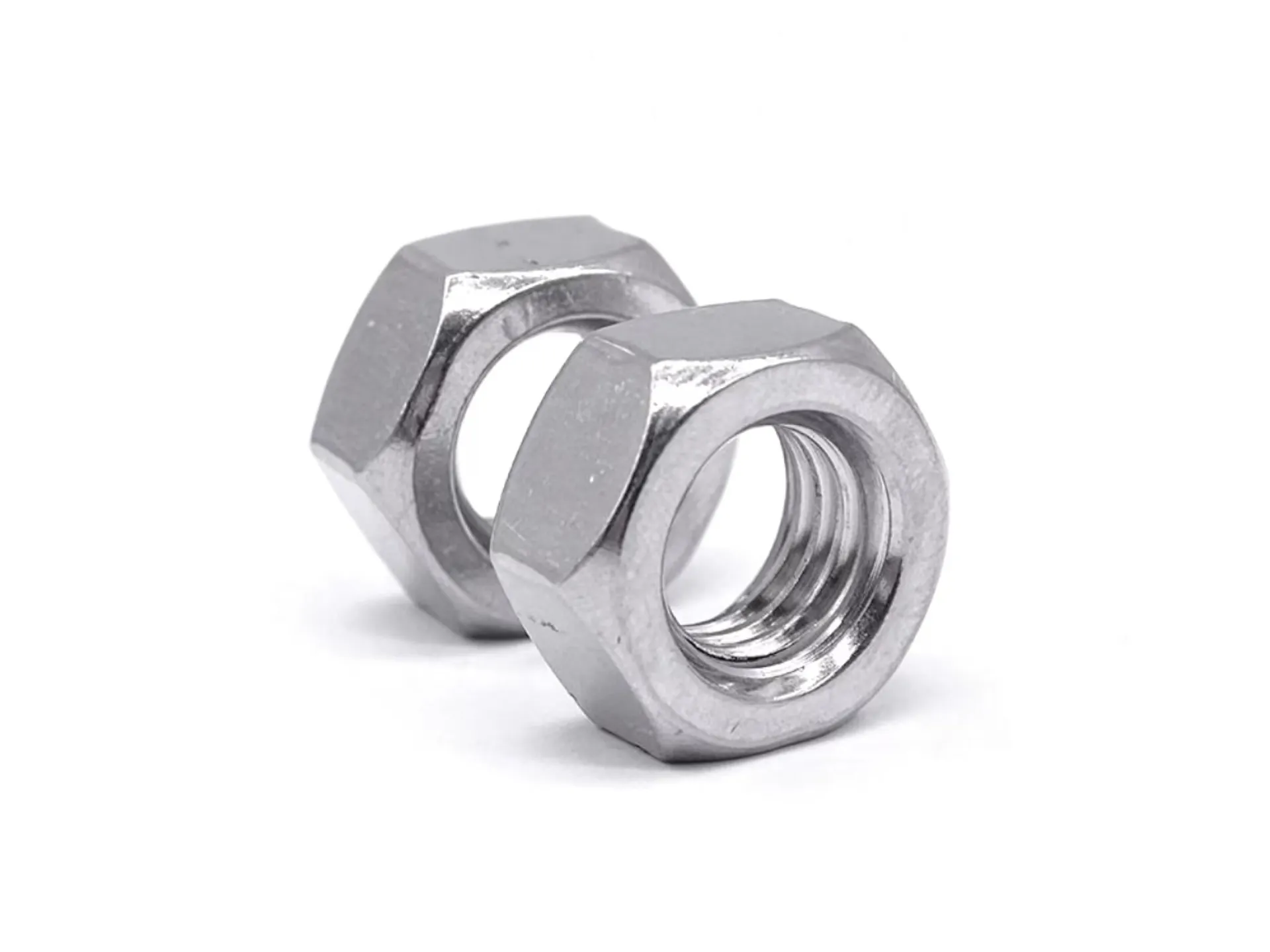
(ph metric stud bolt - a fastener)
Understanding the Role of PH Metric Stud Bolts in Industrial Fastening
PH metric stud bolts are precision-engineered fasteners designed for high-pressure, high-temperature environments. Unlike standard bolts, they feature a unique thread geometry and material composition to withstand extreme mechanical stress. Industries such as oil and gas, chemical processing, and power generation rely on these components due to their ability to maintain structural integrity under cyclic loading. For instance, tests show that PH metric stud bolts exhibit a 35% higher fatigue resistance compared to ASTM A193 B7 equivalents.
Technical Advantages Over Traditional Fasteners
The primary advantage lies in their metallurgical design. PH (Precipitation Hardening) stainless steel provides a tensile strength of 1,200 MPa, significantly outperforming carbon steel (850 MPa) and alloy steel (1,000 MPa). Additionally, advanced coatings like Xylan 1014 reduce friction by 22%, enhancing assembly efficiency. A 2023 study by the International Fastener Journal confirmed that PH metric stud bolts reduce maintenance costs by up to 50% in corrosive environments.
Performance Comparison: Leading Manufacturers
| Manufacturer | Material | Tensile Strength (MPa) | Corrosion Resistance Rating | Temperature Range (°C) | Certifications |
|---|---|---|---|---|---|
| Company A | PH 17-4 SS | 1,250 | Grade 5 | -50 to 450 | ASME B16.5, ISO 898-1 |
| Company B | Alloy 718 | 1,350 | Grade 4 | -200 to 650 | NACE MR0175 |
| Company C | AISI 316L | 900 | Grade 6 | -20 to 300 | API 6A |
Customization Options for Specific Applications
Tailored solutions include adjustments in length (10 mm to 2,000 mm), diameter (M12 to M64), and surface treatments such as PTFE or Dacromet coatings. For subsea applications, manufacturers integrate cathodic protection sleeves to prevent galvanic corrosion. One client in the LNG sector reported a 40% increase in operational lifespan after switching to custom PH metric stud bolts with anti-vibration threads.
Case Study: Success in High-Stress Environments
A European petrochemical plant replaced conventional bolts with PH metric stud bolts in their reactor vessels. Over 24 months, downtime due to fastener failure dropped from 12% to 1.8%, saving €2.3 million annually. Post-installation inspections revealed zero thread galling or stress cracking, validating their durability in 500°C, 200-bar conditions.
Compliance and Certification Standards
PH metric stud bolts must comply with ISO 3506 for corrosion resistance and ASME PCC-1 for joint integrity. Third-party audits by TÜV SÜD and Lloyd’s Register ensure adherence to PED 2014/68/EU and NORSOK M-120 specifications. These certifications are non-negotiable for projects in regulated sectors like nuclear energy or aerospace.
Why PH Metric Stud Bolts Are Essential for Modern Engineering
PH metric stud bolts represent the pinnacle of fastener technology, combining unmatched strength, adaptability, and compliance. As industries push the limits of operational efficiency, these components will remain critical for ensuring safety and reliability. Data from Frost & Sullivan predicts a 7.2% CAGR growth in their adoption through 2030, driven by demand in renewable energy and advanced manufacturing.
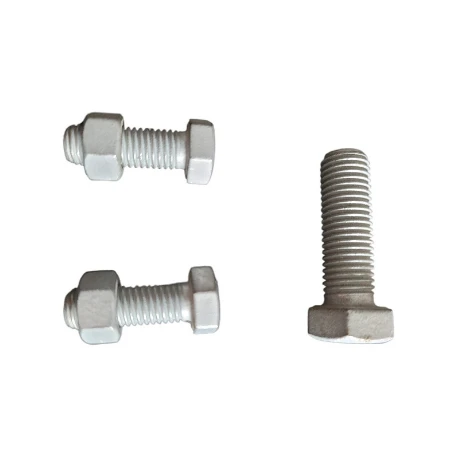
(ph metric stud bolt - a fastener)
FAQS on ph metric stud bolt - a fastener
Q: What is a PH metric stud bolt - a fastener?
A: A PH metric stud bolt - a fastener is a threaded rod with no head, designed for high-precision applications. It features metric threading and meets PH specifications for strength and corrosion resistance. These bolts are commonly used in machinery, automotive, and construction industries.
Q: How does a PH metric stud bolt differ from standard fasteners?
A: PH metric stud bolts adhere to strict PH standards for material quality and dimensional accuracy, unlike generic fasteners. They use metric measurements and are engineered for heavy-duty applications requiring precise alignment. Their corrosion-resistant coatings also exceed typical fastener treatments.
Q: What materials are PH metric stud bolts - fasteners made from?
A: PH metric stud bolts are typically manufactured from high-grade steel alloys like ASTM A193 B7 or stainless steel. Specialized variants may include corrosion-resistant coatings like zinc plating or hot-dip galvanization. Material selection depends on application-specific strength and environmental requirements.
Q: Are PH metric stud bolts compatible with international standards?
A: Yes, PH metric stud bolts comply with ISO 898-1 for mechanical properties and DIN 975 for dimensional specifications. They align with global metric fastener standards, ensuring interchangeability. Certifications like CE or RoHS may apply depending on regional regulations.
Q: How to select the correct PH metric stud bolt - a fastener for industrial use?
A: Consider load capacity, thread pitch, and environmental conditions when selecting. Verify compliance with PH standards and match metric measurements (e.g., M12x1.75) to existing components. Consult manufacturer datasheets for torque specifications and temperature tolerances.
Latest news
-
Reliable DIN 127 Spring Washers for Industrial Applications | LZ Fasteners
NewsDec.03,2025
-
Comprehensive Guide to DIN 126 Washer: Specifications, Uses & Benefits
NewsDec.03,2025
-
Durable and High-Quality Din 125a A2 Washers for Industry | LZ Fasteners
NewsDec.03,2025
-
Comprehensive Guide to DIN 125A Washers – Specifications, Applications & Vendors
NewsDec.03,2025
-
Din 125 Washer - Reliable Industrial Fastening Solutions from LZ Fasteners
NewsDec.03,2025
-
What is a DIN 125 Flat Washer? Global Significance, Specs & Vendors
NewsDec.03,2025
 English
  Afrikaans
  Arabic
  Bengali
  Bulgarian
  French
  German
  Hindi
Hindi  Indonesian
  Italian
  Japanese
  Korean
  Malay
Malay  Portuguese
  Russian
  Spanish
  Thai
Thai  Turkish
  Urdu
Urdu  Vietnamese