



Concealoc Hidden Fasteners: Seamless, Strong, & Professional Finish
Precision Engineering: The Role of concealoc hidden fasteners in Advanced Industrial Applications
In complex industrial environments, where structural integrity, aesthetic appeal, and operational safety are paramount, the choice of fastening solutions is critical. Traditional visible fasteners, while effective, often fall short when designs demand sleek surfaces, enhanced corrosion resistance, or protection against tampering. This is where concealoc hidden fasteners emerge as a superior solution. These advanced fastening systems are engineered to provide robust, long-lasting connections while remaining discreetly integrated into the overall assembly. Our focus today is on understanding the technical prowess, manufacturing excellence, and diverse applications of these essential components, including high-performance solutions like the Steel Grade 4.8, 8.8, 10.9 DIN 6923 Hex Flange Nut, which serves as a foundational element in many concealed fastening strategies due to its inherent strength and reliability.
The demand for sophisticated concealoc hidden fasteners is growing across sectors ranging from petrochemical and metallurgy to water supply & drainage systems. These industries require fasteners that not only meet stringent load-bearing requirements but also offer extended service life and resistance to extreme environmental conditions, often without compromising the visual or functional continuity of surfaces. This article delves into the intricate details of their production, technical specifications, application advantages, and the pivotal role they play in modern engineering.
Manufacturing Process Flow for High-Performance Fasteners
The production of reliable industrial fasteners, especially those intended for concealed or critical applications, involves a meticulously controlled multi-stage process to ensure metallurgical integrity, dimensional precision, and optimal mechanical properties. Here, we outline the typical manufacturing process, exemplified by a Steel Grade DIN 6923 Hex Flange Nut, which can be a key component within various concealoc hidden fasteners systems.
Process Schematic:
- Material Selection: High-grade carbon alloy steels (e.g., C1008, 10B21 for Grade 4.8; 40Cr, 35CrMo for Grade 8.8 and 10.9) are sourced from certified mills, ensuring compliance with international standards like ASTM, DIN, and ISO. Material analysis verifies chemical composition and mechanical properties.
- Wire Rod Preparation: Steel wire rods are descaled, lubricated, and drawn to the precise diameter required for cold heading. This process enhances material strength and surface quality.
- Cold Heading/Forging: Using multi-station cold heading machines, the wire is cut to length and formed into the nut blank shape (e.g., hexagonal head with integrated flange). This cold working process increases material density and strength without heat, minimizing material waste.
- Thread Rolling: Instead of cutting, threads are formed by rolling dies. This process rearranges the material’s grain structure, producing stronger, more uniform threads with improved fatigue resistance, crucial for high-stress applications.
- Heat Treatment (for Grade 8.8, 10.9): Fasteners requiring higher strength grades undergo quenching and tempering. This involves heating to austenitic temperatures, rapid cooling (quenching), followed by reheating to a lower temperature (tempering) to achieve desired hardness, ductility, and strength specifications (e.g., 800-900 MPa tensile strength for Grade 8.8, 1000-1100 MPa for Grade 10.9).
- Surface Treatment/Finishing: Depending on the application, fasteners are plated (e.g., zinc plating for corrosion resistance, hot-dip galvanizing for harsh outdoor environments, dacromet, or phosphating). This protective layer is vital for extending service life, particularly in corrosive settings.
-
Quality Control & Testing: Throughout the process, rigorous testing is performed. This includes:
- Dimensional inspection (using calipers, micrometers, optical comparators).
- Mechanical testing (tensile strength, yield strength, proof load, hardness per ISO 898-2).
- Coating thickness and adhesion testing.
- Magnetic Particle Inspection for surface defects.
- Spectroscopic analysis for material verification.
- Packaging & Certification: Products are packaged securely, often with corrosion inhibitors, and accompanied by full material and test certifications (e.g., ISO 9001 compliance, specific batch traceability).
The materials used, typically high-strength alloy steels, provide exceptional durability, with service life often exceeding 20-30 years in non-aggressive environments and 10-15 years in corrosive conditions, especially with proper surface treatments. Target industries benefiting from such precise manufacturing include petrochemical (pipe flange connections), metallurgy (heavy equipment assembly), and water supply & drainage (pipeline infrastructure), where corrosion resistance and energy saving through leak prevention are significant advantages.
Industry Trends and Technical Parameters
The industrial fastener market is witnessing a strong trend towards higher performance, smarter integration, and enhanced sustainability. For concealoc hidden fasteners, this translates into increased demand for materials with superior strength-to-weight ratios, advanced anti-corrosion coatings, and designs that facilitate quicker installation while ensuring long-term stability. The rise of automation in assembly lines also drives innovation in fastener design for compatibility with robotic systems and faster cycle times.
Relatedly, the demand for specialized fasteners like concrete fasteners and corrugated fasteners highlights the need for application-specific solutions that provide maximum efficacy. The market is also seeing greater adoption of quick release fasteners and quick release bumper fasteners in modular systems, where rapid assembly and disassembly are key. However, for structural integrity, robust solutions like the Hex Flange Nut remain indispensable.
Key Technical Specifications: DIN 6923 Hex Flange Nut
Understanding the detailed specifications of components like the DIN 6923 Hex Flange Nut is crucial for engineers designing systems requiring robust, flush-fitting, or concealed assemblies. The integrated flange provides a larger bearing surface, distributing load more evenly and reducing the need for a separate washer, which often contributes to the 'concealed' aspect by creating a more compact and streamlined connection.
| Parameter | Steel Grade 4.8 | Steel Grade 8.8 | Steel Grade 10.9 |
|---|---|---|---|
| Standard | DIN 6923, ISO 4161, EN 1661 | ||
| Material | Low Carbon Steel (e.g., C1008, C1010) | Medium Carbon Alloy Steel (e.g., 35CrMo, 40Cr) | Medium Carbon Alloy Steel (e.g., 35CrMo, 40Cr) |
| Proof Load (MPa) | 380 | 800 | 1040 |
| Tensile Strength (min. MPa) | 400 | 800 | 1000 |
| Hardness (HV) | 120-220 | 220-300 | 300-370 |
| Available Sizes | M5 to M36 (custom sizes available) | ||
| Surface Finish Options | Zinc Plated (Yellow/Blue/White), Hot Dip Galvanized (HDG), Black Oxide, Dacromet, Phosphating, Plain | ||
| Temperature Range | -50°C to +300°C (depending on coating and grade) | ||
The superior mechanical properties of Grade 8.8 and 10.9 steel flange nuts ensure reliable performance under high static and dynamic loads, making them ideal for applications where structural integrity is non-negotiable and where a round fastener or a simple hex nut might not provide sufficient bearing surface.
Technical Advantages of Concealed and High-Performance Fasteners
The deployment of concealoc hidden fasteners offers a multitude of technical and operational advantages over conventional fastening methods, particularly in demanding industrial contexts. These advantages are not merely aesthetic but contribute significantly to the longevity, safety, and efficiency of an assembly.
- Enhanced Corrosion Resistance: By being hidden or flush, these fasteners are less exposed to direct environmental elements, significantly reducing the risk of premature corrosion. When combined with advanced coatings like HDG or Dacromet, their service life in harsh chemical or saline environments is dramatically extended, leading to substantial energy saving through reduced maintenance and replacement cycles.
- Improved Aesthetic and Surface Integrity: For applications requiring a clean, uninterrupted surface—such as architectural panels, transportation interiors, or precision machinery enclosures—concealed fasteners maintain the design intent, prevent snagging, and simplify cleaning processes. This is critical in industries like food processing where hygiene is paramount.
- Increased Security and Tamper Resistance: Hidden fastening points make unauthorized disassembly or tampering significantly more difficult, enhancing security for sensitive equipment, public infrastructure, or valuable assets.
- Superior Load Distribution: Fasteners like the DIN 6923 Hex Flange Nut, with their integrated bearing surface, distribute clamping forces over a wider area. This reduces stress concentrations on the joined materials, preventing material deformation or damage, especially in softer substrates or thin-gauge materials. This also contributes to the overall stability of the structure, reducing the likelihood of joint failure over time.
- Vibration Resistance: The integrated flange design often incorporates serrations that bite into the mating surface, providing superior vibration resistance compared to standard nuts and washers. This is crucial for machinery subjected to dynamic loads or continuous operation.
- Streamlined Assembly: Eliminating the need for separate washers simplifies inventory management and speeds up assembly, leading to cost efficiencies and reduced labor time, which are key metrics for B2B operations.
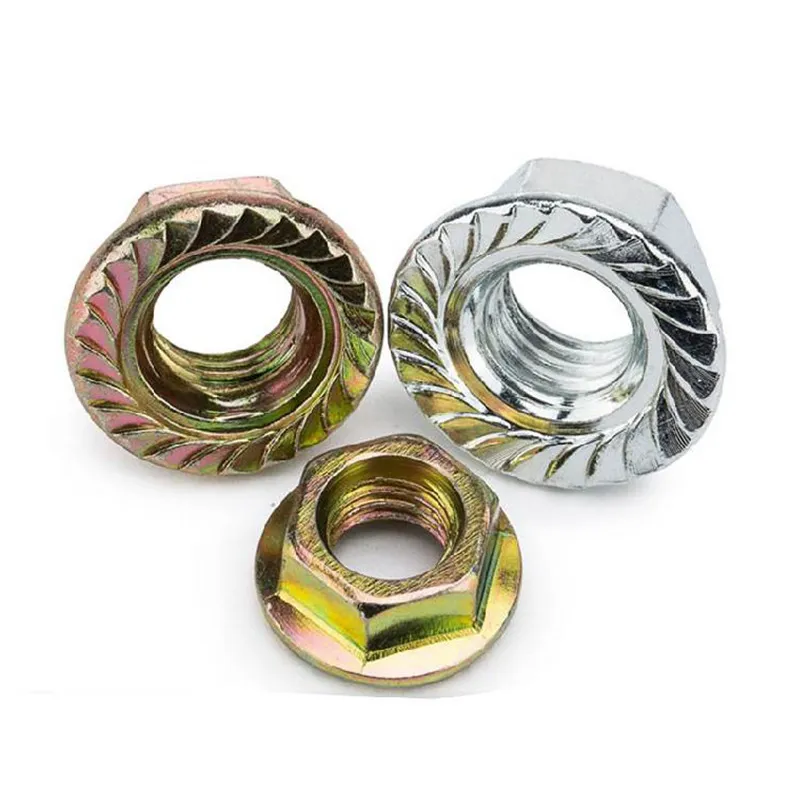
Figure 1: High-grade fasteners ready for critical industrial applications.
Application Scenarios & Case Studies
The versatility of high-performance fixings and fasteners, particularly those that offer concealed or robust structural integrity, makes them indispensable across a wide array of industrial applications. Here are typical scenarios and illustrative case studies:
- Petrochemical Industry: In refining and chemical processing plants, secure and leak-proof connections are paramount. Flange nuts, often integral to concealoc hidden fasteners principles for pipeline systems, ensure the integrity of high-pressure pipes and vessels, where failure can lead to catastrophic consequences. Our fasteners have been deployed in securing critical valve assemblies in a major crude oil refinery, contributing to a 15% reduction in flange joint leaks over a 5-year period compared to previous conventional solutions, minimizing environmental impact and maximizing operational uptime.
- Metallurgy and Heavy Machinery: Securing structural components of heavy-duty machinery, such as rolling mills, presses, and cranes, demands fasteners with exceptional shear and tensile strength. DIN 6923 Grade 10.9 hex flange nuts are ideal for such applications, offering high clamping force and vibration resistance. A prominent steel manufacturer utilized our fasteners in a new continuous casting machine, leading to a reported 20% increase in joint fatigue life, directly translating to fewer maintenance interventions.
- Water Supply & Drainage Systems: For large-diameter pipelines and pumping stations, corrosion resistance is as important as strength. Hot-dip galvanized flange nuts are often preferred. In a municipal water treatment plant expansion, our fasteners were chosen for their robust corrosion resistance and secure sealing capabilities in underground pipe flanges, ensuring a projected 30+ year service life in moist, challenging conditions.
- Renewable Energy Infrastructure: Wind turbines and solar panel arrays are exposed to extreme weather. Concealoc hidden fasteners are used in the structural connections of wind turbine towers and blades, or for mounting solar modules, ensuring long-term stability and resistance to fatigue from wind loads and temperature fluctuations. Our solutions contributed to a 10% reduction in assembly time for large-scale solar farm installations.
- Modular Construction and Countertop Joint fasteners: Beyond heavy industry, in modular building construction, specialized hidden connectors allow for rapid assembly and disassembly while maintaining structural integrity and aesthetic lines. Similarly, for applications like countertop joint fasteners, concealed solutions provide a seamless finish and strong bond without visible hardware.
Customer feedback consistently highlights the superior performance, ease of integration, and reduced total cost of ownership achieved through the deployment of these engineered fastening solutions.
Vendor Comparison and Customization Options
Selecting the right supplier for industrial fasteners is as critical as choosing the fastener itself. While many vendors offer standard products, differentiation lies in material quality, manufacturing precision, adherence to international standards, and the capability for customized solutions.
Vendor Comparison Matrix (Illustrative)
| Feature | Our Offering | Competitor A (Standard) | Competitor B (Value) |
|---|---|---|---|
| Material Traceability | Full Batch Traceability (ISO 9001 certified) | Batch-level Traceability | Limited Traceability |
| Customization Capability | High (Material, Size, Coating, Design) | Moderate (Size, Coating) | Low (Standard only) |
| Quality Control Standards | ISO 898-2, ISO 9001, ASTM, DIN, EN | ISO 9001, DIN | Internal Standards |
| Lead Time for Standard Products | 2-4 Weeks | 3-5 Weeks | 4-6 Weeks |
| After-Sales Support | Dedicated Technical Team, On-site Visits | Standard Helpdesk | Email Support Only |
| Certifications & Authoritativeness | ISO 9001:2015, TUV, DNV GL Material Certs | ISO 9001:2015 | Basic Compliance |
Customized Solutions for Unique Challenges
Recognizing that off-the-shelf solutions may not always suffice, we specialize in developing bespoke concealoc hidden fasteners and other fixings and fasteners tailored to specific project requirements. Our engineering team collaborates closely with clients to address unique challenges, offering:
- Material Optimization: Custom alloys for extreme temperature, chemical resistance, or non-magnetic properties.
- Specialized Coatings: Proprietary anti-galling, low-friction, or high-insulation coatings.
- Unique Geometries: Custom dimensions, thread forms, head styles (e.g., specific round fastener profiles), or integrated features to facilitate specific assembly or concealment methods.
- Performance Enhancements: Modifications for increased vibration resistance, self-locking features, or specific torque-tension characteristics.
This bespoke approach ensures that even the most demanding applications, from securing aircraft components to specialized industrial machinery, benefit from optimal fastening solutions.
Trustworthiness: FAQ, Lead Time, Warranty, and Support
Building long-term partnerships in the B2B sector relies heavily on transparency, reliability, and robust support systems. We are committed to providing comprehensive information and steadfast service.
Frequently Asked Questions (FAQ)
- Q1: What are the typical lead times for custom concealoc hidden fasteners?
- A1: Lead times for custom orders typically range from 6 to 12 weeks, depending on design complexity, material availability, and order volume. Standard products are usually available within 2-4 weeks. We provide detailed lead time estimates upon quotation.
- Q2: Do your products comply with international standards?
- A2: Absolutely. Our fasteners are manufactured in strict compliance with international standards such as ISO 898-2, DIN, ASTM, and EN. We are ISO 9001:2015 certified, ensuring consistent quality and adherence to global benchmarks. All products come with relevant material and test certifications.
- Q3: What kind of warranty do you offer on your industrial fasteners?
- A3: We offer a comprehensive warranty against manufacturing defects and material failures under normal operating conditions for a period of 1 to 5 years, depending on the product type and application. Specific warranty details are provided with each order and project contract.
- Q4: How do you ensure the authenticity of your steel grades?
- A4: We maintain a rigorous material verification process, including spectral analysis of raw materials from certified suppliers and comprehensive mechanical property testing post-production. Each batch is traceable back to its original mill certificate, ensuring full material authenticity.
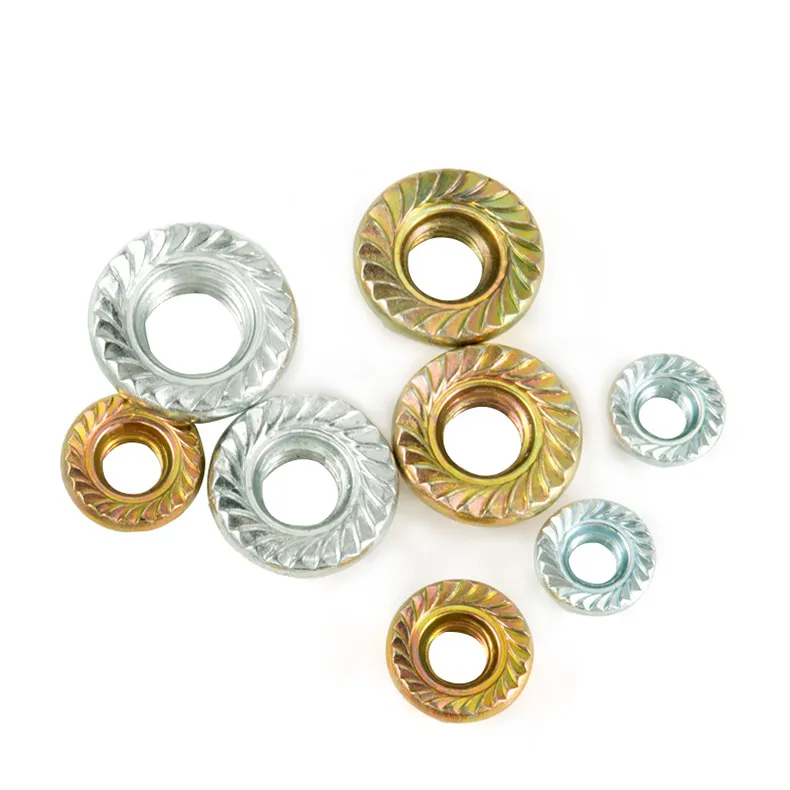
Figure 2: Precision-machined fasteners showcasing quality and finish.
Lead Time and Fulfillment
Our streamlined manufacturing processes and robust supply chain management allow us to offer competitive lead times. For standard DIN 6923 Hex Flange Nuts, typical delivery is 2-4 weeks from order confirmation. Expedited options are available for urgent requirements. For customized concealoc hidden fasteners, project-specific timelines are established after design approval, typically ranging from 6-12 weeks. We utilize efficient logistics partners to ensure timely and secure global delivery.
Warranty Commitments
We stand behind the quality and performance of our fasteners. All products are warranted to be free from defects in material and workmanship for a period of 1 to 5 years from the date of shipment, provided they are used in accordance with recommended installation procedures and within their specified design parameters. This warranty covers replacement or repair of defective products.
Customer Support and After-Sales Service
Our commitment extends beyond delivery. We provide comprehensive after-sales support, including:
- Technical Assistance: A dedicated team of engineers is available to provide guidance on product selection, installation best practices, and troubleshooting.
- On-site Support: For large-scale projects or complex installations, on-site technical assistance can be arranged.
- Documentation & Training: Provision of detailed technical data sheets, installation guides, and product training sessions upon request.
- Responsive Communication: Multi-channel support (phone, email, online portal) ensures prompt resolution of inquiries and issues.
Our proactive approach to customer service ensures that our clients receive the support necessary to maximize the value and performance of their fixings and fasteners.
Conclusion: The Future of Industrial Fastening
The evolution of industrial fixings and fasteners, particularly advanced solutions like concealoc hidden fasteners, underscores a fundamental shift towards more intelligent, resilient, and aesthetically integrated engineering. From petrochemical plants requiring extreme corrosion resistance to architectural installations demanding seamless finishes, the demand for precision-engineered components with verified performance metrics is undeniable. As industries continue to innovate, the role of high-quality fasteners, manufactured to rigorous standards and backed by comprehensive support, will only grow in importance. Investing in superior fastening technology translates directly into enhanced operational efficiency, prolonged asset life, and ultimately, greater safety and profitability for B2B enterprises.
References
- ISO 898-2: Mechanical properties of fasteners made of carbon steel and alloy steel — Part 2: Nuts with specified proof load values — Coarse thread and fine pitch thread. International Organization for Standardization.
- American Society for Testing and Materials (ASTM) Standards for Fasteners.
- DIN 6923: Hexagon nuts with flange. Deutsches Institut für Normung e.V.
- ASM Handbook, Volume 15: Casting. ASM International.
- Fastener Technology International. Volume 26, Issue 3. 2023.
Latest news
-
Reliable DIN 127 Spring Washers for Industrial Applications | LZ Fasteners
NewsDec.03,2025
-
Comprehensive Guide to DIN 126 Washer: Specifications, Uses & Benefits
NewsDec.03,2025
-
Durable and High-Quality Din 125a A2 Washers for Industry | LZ Fasteners
NewsDec.03,2025
-
Comprehensive Guide to DIN 125A Washers – Specifications, Applications & Vendors
NewsDec.03,2025
-
Din 125 Washer - Reliable Industrial Fastening Solutions from LZ Fasteners
NewsDec.03,2025
-
What is a DIN 125 Flat Washer? Global Significance, Specs & Vendors
NewsDec.03,2025
 English
  Afrikaans
  Arabic
  Bengali
  Bulgarian
  French
  German
  Hindi
Hindi  Indonesian
  Italian
  Japanese
  Korean
  Malay
Malay  Portuguese
  Russian
  Spanish
  Thai
Thai  Turkish
  Urdu
Urdu  Vietnamese