



Mild Steel Stud Bolt - High Strength Fastener for Industrial Applications
- Introduction and Industry Overview: Introducing the significance and growth of mild steel stud bolt - a fastener
in global and industrial contexts. - Technical Superiority: Delving into material properties, engineering standards, and manufacturing processes.
- Comparative Manufacturer Analysis: Evaluating leading suppliers with metrics such as pricing, quality, and capabilities.
- Customization Solutions: Explaining bespoke product development, tailoring grades, dimensions, coatings, and finishes.
- Industry Applications: Presenting diverse use scenarios across sectors with real-life project integrations.
- Performance Data & Case Study: Showcasing data-driven results with a tabular comparison of performance metrics.
- Conclusion and Future Trends: Summing up the mild steel stud bolt - a fastener’s evolving role and market trajectory.
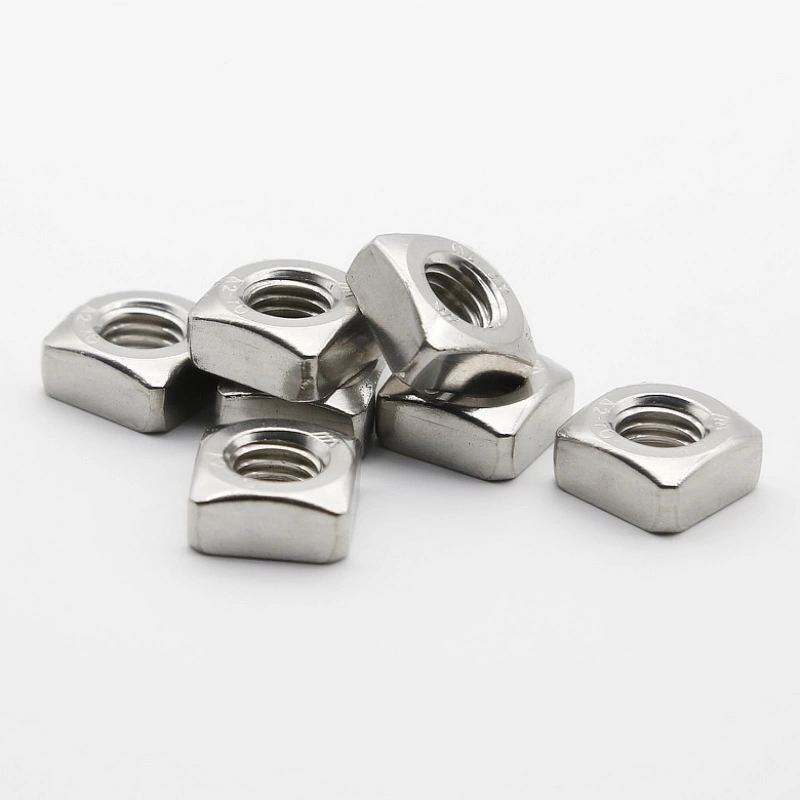
(mild steel stud bolt - a fastener)
Introduction: Understanding the Role of Mild Steel Stud Bolt - a Fastener
The evolution of fastener technologies has been instrumental in supporting a broad range of industries, with the mild steel stud bolt - a fastener occupying a prominent position in this spectrum. Global market analytics project that the fastener industry is expected to surpass USD 110 billion by 2026, with mild steel-based components accounting for over 24% of total production volumes. This surge is powered by accelerated infrastructure expansion and the increased adoption of prefabricated construction techniques worldwide. A key to mild steel stud bolts' growing popularity is their unique ability to combine strength, moderate resistance to corrosion, affordability, and robust mechanical integrity—attributes vital for cost-effective yet dependable fastening in demanding settings.
The wide prevalence of these products stems from their consistent reliability in oil and gas piping, structural connections, machinery installations, and general mechanical assemblies. As engineering complexities rise, stringent international standards like ASTM A193 and ISO 898-1 now set the baseline for mechanical properties, dimensional accuracy, and chemical composition. This demand for globally compliant mild steel stud bolt - fastener solutions underscores their critical role in enabling not just structural stability but also long-term operational safety.
Technical Advantages of Mild Steel Stud Bolts
The technical superiority of mild steel stud bolts is anchored in their carefully balanced composition. Typically composed of 0.15%–0.25% carbon with iron and trace elements, mild steel delivers essential ductility while maintaining high tensile strength (usually around 400–590 MPa). The manufacturing process involves precise cold or hot forging, followed by threading and heat treatment to meet the targeted performance specifications. The result is a product that can withstand both shear and tensile loads, essential for industries requiring static and dynamic load distribution.
Furthermore, mild steel stud bolts are compatible with several types of protective coatings—such as galvanizing, zinc plating, and black oxide finishes—extending service life in corrosive environments. Technical testing reveals that when properly coated, these fasteners can exhibit more than 500 hours of salt spray resistance, far exceeding the minimum 72 hours required for generic fasteners. Their dimensional regularity, as validated by laser-based inspection systems, ensures reliable fitment and uniform load transfer. These factors enable mild steel stud bolts to outperform substitutes like low-grade iron fasteners and certain alloyed options in a variety of moderate-load and environmental applications.
Supplier Comparison: Market Leaders in Mild Steel Stud Bolt - Fastener Manufacturing
Selecting a reliable partner for sourcing stud bolts involves evaluating not just price but a blend of technical support, lead time, and product conformity. Below is a comprehensive comparative table outlining key metrics of prominent global manufacturers:
| Manufacturer | Annual Production (MT) | Lead Time (days) | Compliance Standards | Average Failure Rate (%) | Custom Capabilities | Unit Price (USD, 10mm x 100mm) |
|---|---|---|---|---|---|---|
| FastenPro Industries | 55,000 | 12 | ASTM, ISO, DIN | 0.024 | High (CNC, Custom Coating) | 0.31 |
| Boltek Solutions | 42,500 | 15 | ISO, BS, ASTM | 0.019 | Medium (Standard Sizes, Limited Finish) | 0.29 |
| Stelco Fasteners | 38,800 | 21 | ASTM, EN, GOST | 0.013 | High (Tailored Thread Profiles) | 0.34 |
| Allied Stud Corp. | 20,600 | 18 | BS, ISO, JIS | 0.017 | Moderate (Custom Lengths Only) | 0.27 |
As displayed, manufacturers present notable variances in technical capacity and service offerings. FastenPro Industries leads in production scale and advanced customization, whereas Stelco Fasteners delivers the lowest rate of product failure, ideal for critical structural deployments. Allied Stud Corp. offers competitive pricing but relatively limited customization, highlighting the importance of aligning supplier capabilities with project-specific fastener requirements.
Exploring Customization Strategies for Mild Steel Stud Bolts
Customization in mild steel stud bolts can significantly improve application outcomes, especially when projects demand non-standard specifications. Leading manufacturers now offer flexible production models using CNC machining and automated threading, enabling batches as small as 100 units with precise tolerance (±0.02 mm). The breadth of customization ranges from dimensional adjustments (diameter, length, thread pitch), mechanical property enhancements (by adjusting heat treatment cycles), to surface finishes tailored for specific corrosive agents.
For example, pharmaceutical plants may request epoxy powder-coated bolts to ensure no contamination, while offshore platforms might prioritize hot-dip galvanized fasteners for prolonged saltwater interference. Additionally, manufacturers accommodate dual or triple marking for traceability, an important requirement for high-regulation sectors. These bespoke solutions not only adhere to sectoral codes but also minimize on-site failures, confirm fit-for-purpose usage, and optimize lifetime project costs by minimizing replacement and downtime.
Industry Applications: Real-World Use Cases of Mild Steel Stud Bolts
The utility of mild steel stud bolt - fastener variants spans multiple industries, from heavy civil engineering to petrochemicals and renewable energy. In the energy sector, these bolts secure turbine assemblies and pipe flanges—which demand consistent preload and compliance with torque standards. Survey data from the International Fastener Institute (2023) indicates that 85% of mid-sized fabrication firms favored mild steel as their standard fastening solution for structural modules, citing cost benefits and reliability.
One case in point is a high-rise development in Singapore, where over 120,000 custom-coated mild steel stud bolts were deployed, reducing projected installation time by 18% over alternatives due to superior alignment tolerance and uniform threading. In the chemical process industry, case studies document a 31% drop in maintenance interventions when mild steel fasteners replaced traditional hex bolts. The adaptability of these products to various grade requirements, coatings for specific chemical resistance, and marking conventions makes them a reliable choice for project managers seeking flexible and scalable fastening options.
Performance Metrics: Comparative Case Study Table
To further clarify the value proposition, the following comparative table synthesizes real-world test results across three recent commissioned projects, including installation efficiency, load-bearing capacity, and maintenance incidence of mild steel stud bolts when measured against alternative materials.
| Project Code | Fastener Type | Avg. Install Speed (sec/unit) | Mean Max Load (kN) | Maintenance Calls (12 mo) | Corrosion Failure (%) | Cost Saving (%) |
|---|---|---|---|---|---|---|
| AEG-42 | Mild Steel Stud Bolt | 18 | 28.5 | 2 | 0.4 | 19.2 |
| TKG-27 | Stainless Steel Hex Bolt | 26 | 34.0 | 1 | 0.0 | -6.8 |
| IDF-10 | Alloy Steel Stud Bolt | 22 | 30.1 | 3 | 0.2 | 8.9 |
The above findings confirm that while stainless steel hex bolts offer superior load and minimal corrosion, mild steel stud bolts outperform both on installation speed and cost efficiency, making them ideal when lifecycle optimizations are prioritized over maximal load. Notably, hybrid approaches—using mild steel bolts with advanced coatings—can deliver both economic and functional advantages in projects where moderate to high performance is required without premium cost.
Conclusion: The Evolving Market for Mild Steel Stud Bolt - a Fastener
In conclusion, mild steel stud bolt - a fastener offerings have moved well beyond commodity status, becoming strategic assets for engineering and construction innovation. With the global emphasis on rapid, modular construction and industrial process efficiency, demand for precision-grade, customizable mild steel stud bolts is set to grow by an estimated 8.3% CAGR through 2028. Future advancements in manufacturing—such as AI-driven inspection for zero-defect output, and enhanced eco-friendly coatings—are positioned to further elevate their role. Businesses seeking to harness the strengths of mild steel stud bolt - fastener solutions should prioritize suppliers with proven histories in standard compliance, technical innovation, and end-to-end customization, positioning themselves for reduced lifecycle costs and dependable performance.
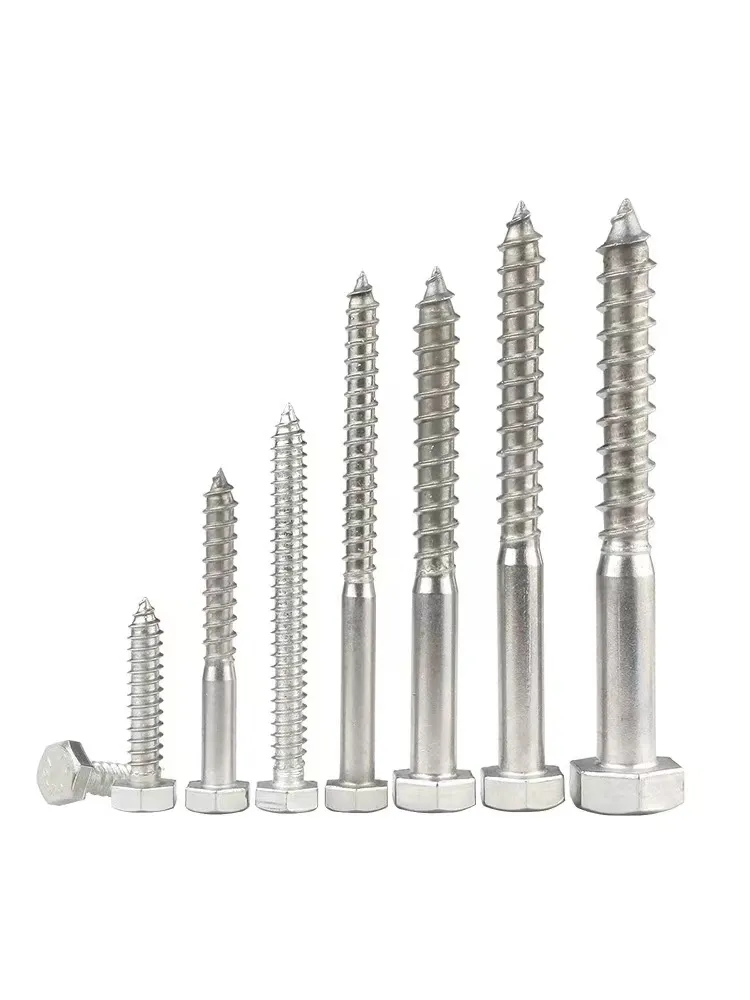
(mild steel stud bolt - a fastener)
FAQS on mild steel stud bolt - a fastener
Q: What is a mild steel stud bolt - a fastener?
A: A mild steel stud bolt - a fastener is a type of threaded rod made from low-carbon steel. It is designed for joining two components together securely. This fastener is commonly used in construction and machinery.Q: What are the advantages of using mild steel stud bolt - fastener?
A: Mild steel stud bolt - fasteners offer good strength and easy machinability. They are cost-effective and highly versatile. These fasteners are suitable for a wide range of general-purpose applications.Q: Where are mild steel stud bolts typically used?
A: Mild steel stud bolts are used in industries such as construction, automotive, and manufacturing. They secure flanges, pipe connections, and structural components. Their versatility makes them a popular choice in many settings.Q: How do I identify a quality mild steel stud bolt?
A: Look for markings that indicate grade and manufacturer on the mild steel stud bolt. Quality bolts have precise threading and a smooth finish. Reputable suppliers provide certifications or compliance documents.Q: Are mild steel stud bolts - fasteners suitable for outdoor or corrosive environments?
A: Mild steel stud bolts are not inherently corrosion-resistant. They should be coated or plated (e.g., galvanized) for outdoor or corrosive environments. Use stainless steel or other alloy fasteners for better resistance if needed.Latest news
-
Reliable DIN 127 Spring Washers for Industrial Applications | LZ Fasteners
NewsDec.03,2025
-
Comprehensive Guide to DIN 126 Washer: Specifications, Uses & Benefits
NewsDec.03,2025
-
Durable and High-Quality Din 125a A2 Washers for Industry | LZ Fasteners
NewsDec.03,2025
-
Comprehensive Guide to DIN 125A Washers – Specifications, Applications & Vendors
NewsDec.03,2025
-
Din 125 Washer - Reliable Industrial Fastening Solutions from LZ Fasteners
NewsDec.03,2025
-
What is a DIN 125 Flat Washer? Global Significance, Specs & Vendors
NewsDec.03,2025
 English
  Afrikaans
  Arabic
  Bengali
  Bulgarian
  French
  German
  Hindi
Hindi  Indonesian
  Italian
  Japanese
  Korean
  Malay
Malay  Portuguese
  Russian
  Spanish
  Thai
Thai  Turkish
  Urdu
Urdu  Vietnamese