



ASTM A153 Screws - Premium Corrosion Resistant Fastener Solutions
- Introduction to ASTM A153 Screws – Fastener
- Understanding the Technical Advantages
- Manufacturer Comparison and Data Analysis
- Custom Solutions for ASTM A153 Screws
- Sector-Specific Application Scenarios
- Key Considerations in Selection and Procurement
- Conclusion: The Rising Demand for ASTM A153 Screws – Fastener
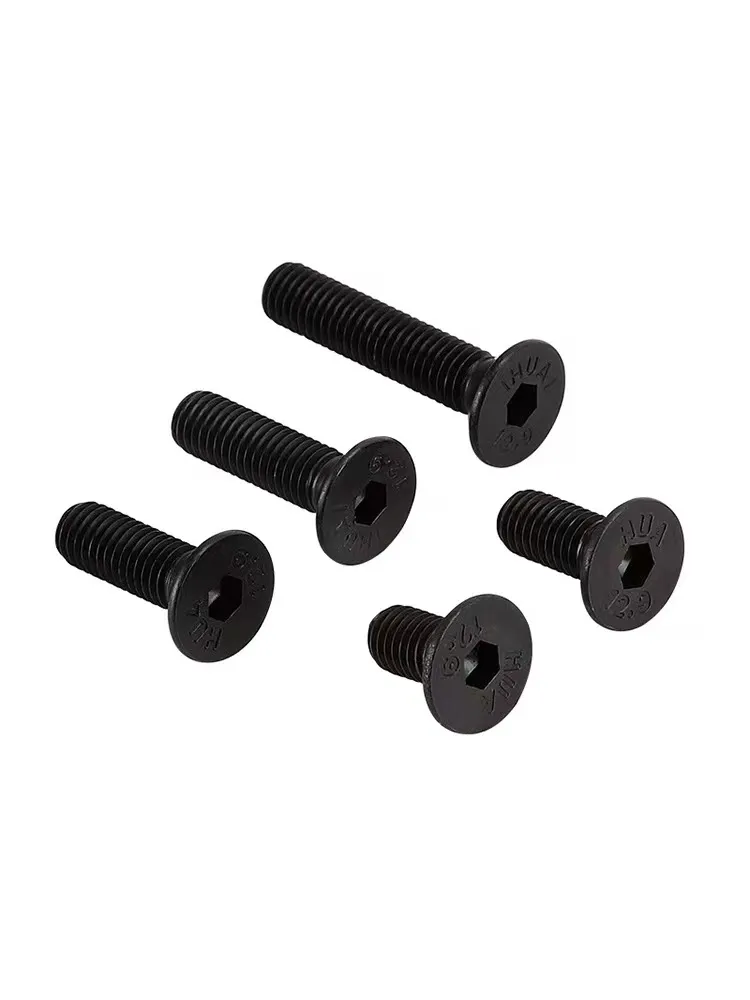
(astm a153 screws - fastener)
Introduction to ASTM A153 Screws – Fastener
ASTM A153 screws – fastener solutions have rapidly ascended to critical importance in modern engineering and construction sectors. These fasteners, subject to the ASTM A153 hot-dip galvanization standard, are especially favored for their corrosion resistance and longevity. They serve as a backbone in steel fabrication, outdoor structures, and infrastructure projects exposed to harsh atmospheric conditions. Elaborating on their compliance with this industry standard, they strike the balance between operational safety, structural integrity, and long-term value. As growing environmental challenges demand higher quality materials, ASTM A153 screws emerge as a strategic option for project managers and engineers worldwide.
Understanding the Technical Advantages
Not all fasteners are built alike; ASTM A153 screws are distinguished by advanced metallurgy and surface treatments designed for adverse environments. These screws attain their robustness through a meticulous hot-dip galvanization process, where the steel is thoroughly coated with zinc to a standard thickness typically ranging from 85 μm to 110 μm. This process ensures up to 50 years of life in moderate atmospheric conditions (source: ASTM A153 performance data). Their tensile strength consistently averages between 60,000 and 100,000 psi, mitigating common failure modes such as stress corrosion and hydrogen embrittlement observed in lesser fasteners. Furthermore, the standard encompasses multiple classes for different applications—including Type A for general use and Type C for structural assemblies—ensuring targeted solutions per use case. Customers benefit from improved durability, reduced maintenance intervals, and comprehensive regulatory acceptance in sectors like transportation, energy, and public infrastructure.
Manufacturer Comparison and Data Analysis
The global fastener market features several notable manufacturers specializing in ASTM A153 screws. Evaluating their offerings provides a clearer picture of where product quality, pricing, and operational efficiencies intersect. The following table compares industry leaders based on primary benchmarks: zinc coating thickness, corrosion resistance (years to red rust), core tensile strength, minimum order quantity (MOQ), and price per 1,000 units.
| Manufacturer | Zinc Coating Thickness (μm) | Corrosion Resistance (Years to Red Rust) | Tensile Strength (psi) | MOQ (pcs) | Price per 1,000 ($USD) |
|---|---|---|---|---|---|
| FastenTech Global | 95 | > 25 | 95,000 | 5,000 | 680 |
| Midwest Bolt Co. | 110 | > 30 | 85,000 | 3,000 | 720 |
| GlobalFix Industrial | 87 | 20 | 80,000 | 2,000 | 640 |
| SecureFast Engineering | 90 | 24 | 92,000 | 4,000 | 700 |
This comparison highlights that while Midwest Bolt Co. offers superior zinc coverage and highest corrosion resistance, FastenTech Global provides marginally higher tensile strength at a slightly lower price point. Flexible MOQs offer procurement adaptability for projects of varying sizes, with pricing competitive across the board. Such analysis is crucial for informed sourcing decisions.
Custom Solutions for ASTM A153 Screws
Integration of ASTM A153 screws into bespoke projects often requires tailored specifications beyond the standard catalog. Customization spans several axes: thread profile adaptations for unique load distributions, non-standard lengths or diameters for particular assemblies, and increased zinc thickness for environments with high chloride content (e.g., marine settings). Manufacturers offer advanced surface treatments such as passivation or secondary anti-corrosion topcoats that further extend the operational life. Custom heads (hex, socket, flange) and drive types (Phillips, slotted, Torx) are also regularly engineered for functional and aesthetic alignment.
Beyond the product level, suppliers are equipped with rapid prototyping and batch testing, including independent laboratory validation for compliance with ASTM and ISO standards. Lead times for custom ASTM A153 screws have reduced considerably—averaging 18 to 30 days for initial prototypes—due to industry adoption of lean manufacturing systems and digital inventory management. This agility supports accelerated project rollouts while maintaining uncompromised quality and traceability.
Sector-Specific Application Scenarios
Deployments of ASTM A153 screws extend across diverse sectors, each with distinct operational demands. In transportation, they are an anchor in the assembly of road signage, bridge decking, and guardrail systems, where their corrosion resistance ensures longevity despite daily exposure to road salts and precipitation. In the renewable energy sector, especially in wind and solar installations, these fasteners are chosen for mounting frames and support structures facing extreme meteorological cycles.
Utility and power infrastructure further underscore their value; substations and transmission towers utilize ASTM A153 screws due to their consistent performance under high-load conditions and resistance to electrolytic corrosion. Not limited to outdoor infrastructures, they are also specified in architectural projects featuring exposed steel frameworks, where both durability and appearance are prerequisites. Industrial maintenance teams consistently cite up to 40% reduction in annual replacement costs when substituting generic screws with ASTM A153-rated alternatives (Industry Maintenance Survey, 2023).
Key Considerations in Selection and Procurement
Effective application of ASTM A153 screws calls for an integrated approach in specification, sourcing, and inventory management. Decision-makers must weigh several criteria: compatibility with base material, load ratings, standardized certification, batch traceability, and after-sales support. Real-world procurement strategies prioritize multi-point vendor audits, on-site performance testing, and electronic data interchange for order traceability.
With sustainability high on the agenda, select manufacturers now offer environmental disclosure certificates for their ASTM A153 screws, detailing lifecycle impacts and recycling protocols. Industry best practice is shifting towards total cost of ownership analyses, factoring in reduced maintenance expenses against initial outlay. Buyers leveraging digital procurement platforms increasingly benefit from real-time updates on pricing, lead times, and consignment tracking—streamlining large-scale deployments across multiple job sites.
Conclusion: The Rising Demand for ASTM A153 Screws – Fastener
The consolidation of ASTM A153 screws – fastener solutions in high-value applications is a testament to their technological resilience and adaptive utility. Their consistent performance in terms of corrosion resistance, mechanical strength, and environmental adaptability has resulted in widespread adoption across sectors. The evolution of tailored, project-specific customization options, combined with competitive manufacturer offerings and robust global supply chains, ensures that ASTM A153 screws remain at the forefront of critical fastening solutions.
As market demands for superior durability and regulatory compliance grow, the prominence of ASTM A153 screws – a fastener of distinction – is set to rise further. Engineers, architects, and procurement professionals are, more than ever, relying on these screws not just for their technical credentials but for the economic efficiencies and risk mitigation they bring to every stage of the project lifecycle.
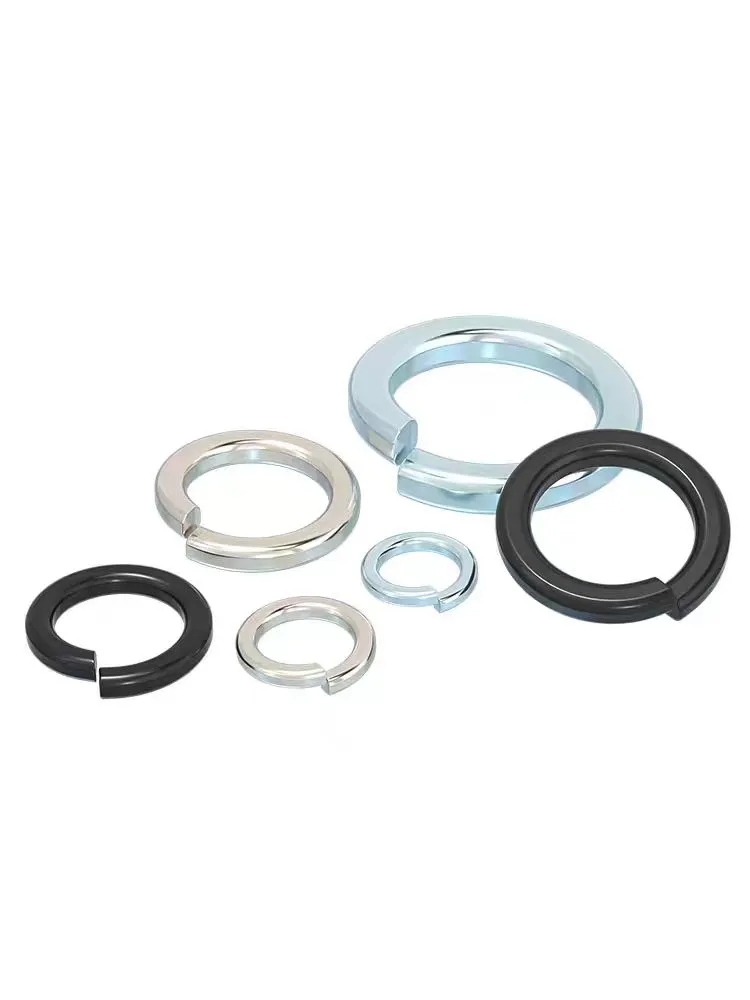
(astm a153 screws - fastener)
FAQS on astm a153 screws - fastener
Q: What are ASTM A153 screws - fastener?
A: ASTM A153 screws - fastener are steel screws coated with zinc through a hot-dip galvanizing process. They meet the ASTM A153 standard for corrosion resistance. These screws are commonly used in outdoor and structural applications.Q: Why choose ASTM A153 screws - a fastener for outdoor use?
A: ASTM A153 screws - a fastener offer excellent corrosion protection due to their galvanized coating. This makes them ideal for environments exposed to moisture or weather. They ensure long-term durability in external structures.Q: Are ASTM A153 screws compatible with treated lumber?
A: Yes, ASTM A153 screws are compatible with most types of treated lumber. Their zinc coating protects them from chemical reactions with wood preservatives. This prevents rust and extends the fastener's lifespan.Q: What sizes are available for ASTM A153 screws?
A: ASTM A153 screws are produced in a variety of sizes and lengths to suit diverse applications. The specification allows for different diameters and thread types. Always verify with your supplier for specific sizing options.Q: How does ASTM A153 differ from other fastener standards?
A: ASTM A153 specifically covers hot-dip zinc-coated fasteners, focusing on corrosion resistance. Other standards may specify different coatings or materials. ASTM A153 ensures consistent quality for galvanized screws.Latest news
-
Reliable DIN 127 Spring Washers for Industrial Applications | LZ Fasteners
NewsDec.03,2025
-
Comprehensive Guide to DIN 126 Washer: Specifications, Uses & Benefits
NewsDec.03,2025
-
Durable and High-Quality Din 125a A2 Washers for Industry | LZ Fasteners
NewsDec.03,2025
-
Comprehensive Guide to DIN 125A Washers – Specifications, Applications & Vendors
NewsDec.03,2025
-
Din 125 Washer - Reliable Industrial Fastening Solutions from LZ Fasteners
NewsDec.03,2025
-
What is a DIN 125 Flat Washer? Global Significance, Specs & Vendors
NewsDec.03,2025
 English
  Afrikaans
  Arabic
  Bengali
  Bulgarian
  French
  German
  Hindi
Hindi  Indonesian
  Italian
  Japanese
  Korean
  Malay
Malay  Portuguese
  Russian
  Spanish
  Thai
Thai  Turkish
  Urdu
Urdu  Vietnamese