



galvanized bolts
Understanding Galvanized Bolts Benefits and Applications
Galvanized bolts are an essential component in various construction and industrial applications, known for their enhanced durability and resistance to corrosion. The process of galvanization involves coating steel or iron bolts with a layer of zinc, a technique that greatly improves the lifespan and performance of the fasteners in a variety of environments.
The Galvanization Process
The most common method of galvanization is hot-dip galvanizing, where bolts are submerged in molten zinc. This process creates a thick, robust coating that bonds to the metal surface, providing excellent protection against moisture and environmental elements that commonly lead to rust and degradation. The resulting galvanized bolts exhibit a characteristic shiny appearance, which can diminish over time but does not affect their corrosion resistance.
There is also a process called electro-galvanizing, where a thin layer of zinc is applied through an electrochemical process. Although this method provides some level of corrosion protection, it is generally not as durable as hot-dip galvanizing. Therefore, the choice of method often depends on the intended use, environment, and specific requirements of the project.
Advantages of Galvanized Bolts
1. Corrosion Resistance One of the most significant advantages of galvanized bolts is their resistance to rust and corrosion. This makes them ideal for outdoor applications or in environments with high humidity or exposure to chemicals.
2. Longevity Galvanized bolts can last up to several decades, which is particularly advantageous in scenarios where maintenance is difficult or expensive. This longevity can reduce the frequency of replacements, helping to lower overall costs over time.
3. Cost-Effectiveness While galvanized bolts may have a higher upfront cost compared to non-galvanized options, their extended lifespan and reduced need for maintenance make them a more cost-effective choice in the long run.
4. Versatility Galvanized bolts are used in a wide range of industries, including construction, automotive, and manufacturing. They are well-suited for structural applications, such as framing, where strength and durability are critical.
galvanized bolts
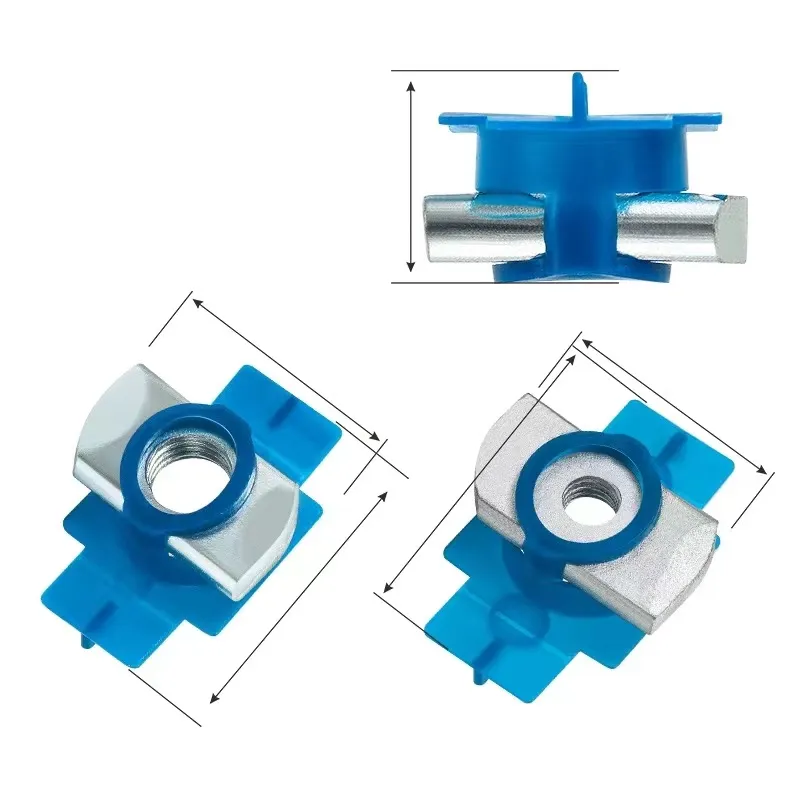
5. Mechanical Strength The underlying steel or iron in galvanized bolts provides significant tensile strength, making them reliable fasteners for heavy loads and structural supports.
Applications of Galvanized Bolts
Galvanized bolts are employed across various sectors due to their resilience and strength. Here are some common applications
- Construction In building projects, galvanized bolts are frequently used to secure structural steel, connect girders, and fasten roofs. Their resistance to corrosion is especially crucial in exposed areas, such as bridges and outdoor structures.
- Automotive In the automotive industry, galvanized bolts are often used in the assembly of vehicles to help protect against the elements, enhancing the lifespan of components exposed to moisture and other harsh conditions.
- Manufacturing Many manufacturing processes utilize galvanized bolts in machinery and equipment assembly. Their durability ensures that production lines remain operational and free of frequent fastener failures.
- Outdoor Furniture and Fencing Items like picnic tables, benches, and outdoor fences benefit from galvanized bolts as they are less likely to corrode when exposed to the outdoors.
Conclusion
In summary, galvanized bolts provide a robust solution where durability and corrosion resistance are paramount. Their versatile applications across multiple industries, coupled with their cost-effectiveness and longevity, make them an invaluable asset in construction and manufacturing. Whether you are working on a large-scale construction project or simply assembling outdoor furniture, incorporating galvanized bolts into your design can lead to increased safety, reduced maintenance, and ultimately, a longer-lasting product. As industries continue to innovate and emphasize sustainability, the relevance of galvanized bolts in modern applications remains powerful, ensuring that they are a staple in fastener technology for years to come.
Latest news
-
Reliable DIN 127 Spring Washers for Industrial Applications | LZ Fasteners
NewsDec.03,2025
-
Comprehensive Guide to DIN 126 Washer: Specifications, Uses & Benefits
NewsDec.03,2025
-
Durable and High-Quality Din 125a A2 Washers for Industry | LZ Fasteners
NewsDec.03,2025
-
Comprehensive Guide to DIN 125A Washers – Specifications, Applications & Vendors
NewsDec.03,2025
-
Din 125 Washer - Reliable Industrial Fastening Solutions from LZ Fasteners
NewsDec.03,2025
-
What is a DIN 125 Flat Washer? Global Significance, Specs & Vendors
NewsDec.03,2025
 English
 Afrikaans
 Arabic
 Bengali
 Bulgarian
 French
 German
 Hindi
 Indonesian
 Italian
 Japanese
 Korean
 Malay
 Portuguese
 Russian
 Spanish
 Thai
 Turkish
 Urdu
 Vietnamese