



Titanium Fasteners: Strong, Lightweight & Corrosion-Resistant
Elevating Performance: A Comprehensive Guide to Titanium Fasteners in B2B Applications
In high-stakes industrial environments, the integrity and longevity of fastening solutions are paramount. Among the diverse materials available, titanium fasteners stand out for their unparalleled combination of strength, corrosion resistance, and lightweight properties. This detailed guide explores the critical role, technical specifications, and diverse applications of these advanced components, essential for B2B decision-makers and engineering professionals seeking optimal performance and reliability. From aerospace to marine, chemical processing to medical devices, titanium offers solutions where traditional materials falter, ensuring maximum operational efficiency and safety.
The Manufacturing Process Flow of Titanium Fasteners
The production of high-quality titanium fasteners involves a sophisticated multi-stage process, meticulously controlled to ensure superior mechanical properties and consistent performance. This journey transforms raw titanium alloys into precision-engineered components capable of withstanding extreme conditions.
- 1. Material Selection and Preparation: The process begins with selecting high-grade titanium alloys, primarily commercial pure titanium (CP Ti) grades 1-4 or alpha-beta alloys like Ti-6Al-4V (Grade 5). These are chosen based on the fastener's intended application, balancing strength, ductility, and corrosion resistance. Ingots are melted and refined through Vacuum Arc Remelting (VAR) or Electron Beam Melting (EBM) to ensure homogeneity and purity, removing impurities that could compromise mechanical integrity.
-
2. Hot Forging or Cold Heading:
For larger, more complex shapes, hot forging is employed. Titanium billets are heated to specific temperatures (typically 800-1000°C for Ti-6Al-4V) and then formed under immense pressure. This process refines the grain structure, enhancing strength and fatigue resistance. For smaller, high-volume fasteners, cold heading is often preferred, conducted at room temperature. This method involves forcing wire or rod stock into dies, shaping the head and initial threads. Cold heading increases tensile strength and improves surface finish, minimizing material waste.
- 3. Thread Rolling: Instead of cutting threads, which can weaken the fastener by interrupting grain flow, threads are typically formed by rolling. This process involves passing the fastener blank between dies that have the inverse of the thread profile. Thread rolling compacts the material, increasing the surface hardness and creating a continuous grain flow, significantly enhancing fatigue life and shear strength compared to machined threads.
- 4. Heat Treatment: Depending on the titanium alloy and desired mechanical properties, fasteners undergo specific heat treatment cycles. This can include solution treatment and aging (STA) for Ti-6Al-4V to achieve optimal strength-to-weight ratios, or annealing for CP Ti to improve ductility and reduce residual stresses. Precise temperature control and quenching rates are critical to achieve the desired microstructure.
- 5. Surface Treatment and Finishing: To enhance performance further, fasteners may receive various surface treatments. These include acid pickling to remove alpha-case layers and oxides, passivation to improve corrosion resistance, or specialized coatings (e.g., anodizing, solid film lubricants) to reduce friction and galling in demanding applications. A clean, smooth finish is critical for optimal torque-tension relationships.
-
6. Quality Control and Testing: Each batch of fasteners undergoes rigorous testing to ensure compliance with international standards such as ISO (e.g., ISO 898-1 for mechanical properties), ANSI (e.g., ASME B18.2.1 for dimensional standards), ASTM (e.g., ASTM F467 for nonferrous nuts, F468 for nonferrous bolts, studs, and screws), and Aerospace Material Specifications (AMS). Testing includes:
- Dimensional Inspection: Using optical comparators and precise gauges.
- Mechanical Testing: Tensile strength, yield strength, elongation, hardness (Rockwell, Vickers).
- Metallurgical Analysis: Microstructure examination, grain size, phase distribution.
- Non-Destructive Testing (NDT): Dye penetrant inspection for surface flaws, ultrasonic testing for internal defects.
- Corrosion Resistance Testing: Salt spray tests, specific chemical immersion tests.
This comprehensive testing regime ensures a service life often exceeding that of alternative materials, contributing to energy saving and reduced maintenance in long-term operations.
Target industries benefiting from these meticulously manufactured titanium fasteners include petrochemical, metallurgy, water supply & drainage, marine engineering, aerospace, and medical implants. Their exceptional corrosion resistance makes them ideal for environments where exposure to aggressive chemicals or saltwater is constant, while their high strength-to-weight ratio is critical in applications demanding weight reduction without compromising structural integrity.
Industry Trends and Market Dynamics for Titanium Fasteners
The market for titanium fasteners is experiencing robust growth, driven by increasing demand from sectors prioritizing performance, durability, and weight reduction. Key trends include:
- Aerospace and Defense Expansion: Continued growth in commercial aircraft production, military programs, and space exploration fuels the primary demand for titanium due to its exceptional strength-to-weight ratio and fatigue resistance. This sector continually pushes for lighter, more durable components.
- Medical Devices and Implants: The biocompatibility and non-magnetic properties of titanium make it indispensable for surgical implants, prosthetic devices, and medical instrumentation. Innovations in additive manufacturing are also enabling more complex and customized titanium medical fasteners.
- Automotive Lightweighting: While typically a premium material, titanium is gaining traction in high-performance and luxury automotive segments, aiming for fuel efficiency and enhanced performance through reduced vehicle weight. This includes specialized applications where traditional wall fasteners or wood fasteners might be replaced by titanium for critical structural integrity.
- Energy Sector Growth: Offshore oil & gas, geothermal energy, and nuclear power plants increasingly rely on titanium for its outstanding corrosion resistance in harsh, high-temperature, and saline environments, ensuring long-term operational integrity of critical infrastructure. This often involves heavy duty snap fasteners and robust connection points.
- Advanced Manufacturing Techniques: The adoption of precision CNC machining, hot and cold forging advancements, and even additive manufacturing (3D printing) for complex geometries is improving efficiency, reducing waste, and expanding design possibilities for titanium fasteners.
Beyond traditional industrial applications, there's an increasing niche demand for specialty fasteners, such as quarter turn fasteners for quick access panels, and custom push fasteners for consumer electronics or specialized industrial enclosures where minimal weight and maximum durability are crucial. Even in areas like decorative license plate fasteners, titanium offers a premium, rust-proof solution.
Technical Specifications and Performance Data
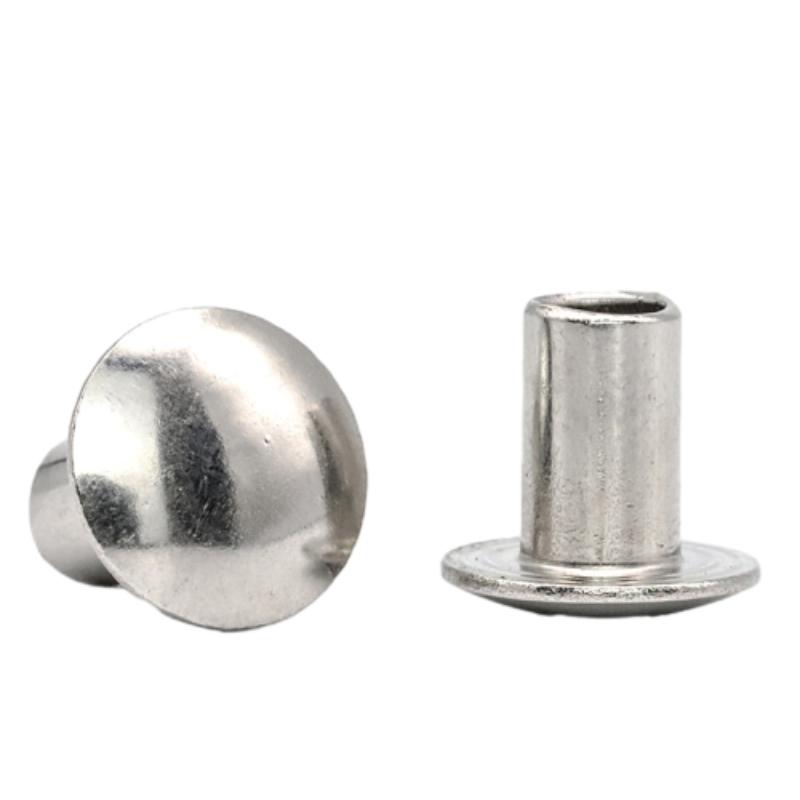
Understanding the inherent properties of titanium alloys is crucial for selecting the appropriate fastener for any given application. The following table provides typical mechanical and physical properties for common titanium grades used in titanium fasteners manufacturing.
Typical Mechanical Properties of Titanium Fastener Alloys
| Property | CP Titanium Grade 2 (Commercial Pure) | Ti-6Al-4V (Grade 5) (Alpha-Beta) |
|---|---|---|
| Tensile Strength (MPa) | 345 (min) | 895 (min) |
| Yield Strength (MPa) | 275 (min) | 828 (min) |
| Elongation (%) | 20 | 10 |
| Hardness (HRC) | Approx. 20 | Approx. 36 |
| Density (g/cm³) | 4.51 | 4.43 |
| Melting Point (°C) | ~1660 | ~1660 |
| Corrosion Resistance | Excellent in oxidizing, neutral, mildly reducing media | Excellent, especially against chlorides and seawater |
Titanium vs. Stainless Steel Fasteners: A Performance Comparison
While stainless steel (e.g., 316 SS) is a common choice for corrosion resistance, titanium fasteners often offer superior performance in specific, highly demanding environments.
| Characteristic | Titanium Fasteners (Ti-6Al-4V) | Stainless Steel Fasteners (316 SS) |
|---|---|---|
| Density (g/cm³) | 4.43 | 7.98 |
| Strength-to-Weight Ratio | Excellent (Approx. 2x 316 SS) | Good |
| Corrosion Resistance (Seawater/Chlorides) | Superior (virtually immune) | Good (pitting/crevice corrosion risk) |
| High-Temperature Performance | Retains strength up to 550°C | Degrades significantly above 400°C |
| Biocompatibility | Excellent | Good (some allergenic potential) |
| Cost | Higher | Lower |
Application Scenarios and Case Studies
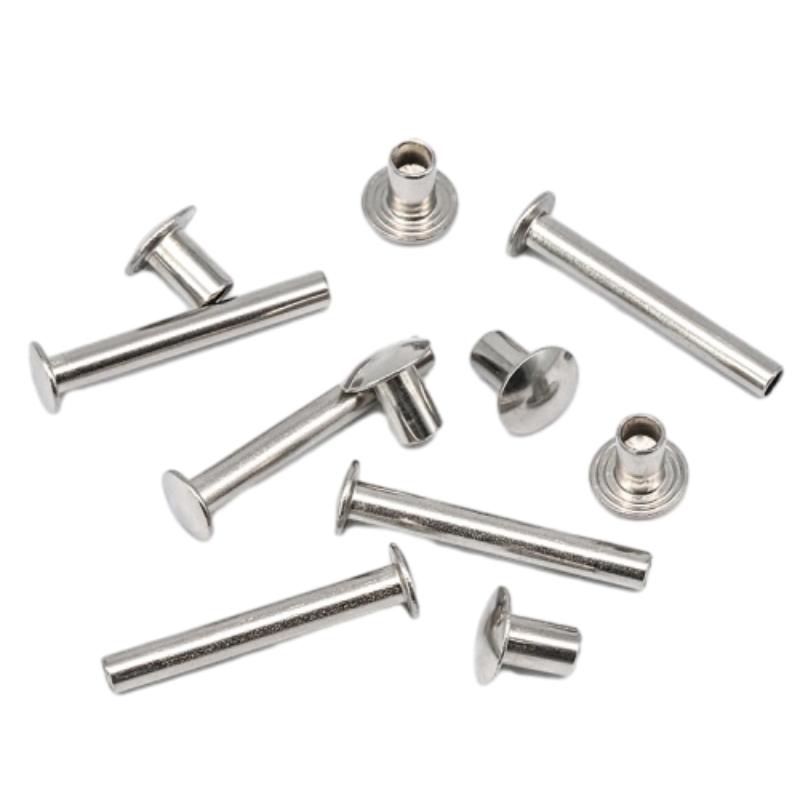
The unique properties of titanium fasteners enable their deployment in environments where failure is not an option. Their superior performance translates directly into enhanced safety, operational efficiency, and reduced lifecycle costs.
-
Aerospace & Aviation: From critical structural joints in commercial jetliners to high-temperature engine components, titanium fasteners (including specialized quarter turn fasteners for access panels) are indispensable. Their high strength-to-weight ratio significantly contributes to fuel efficiency, while their resistance to fatigue ensures long-term airworthiness.
Case Study: Fighter Jet Assembly. A leading aerospace manufacturer required fasteners for structural assembly of a new generation fighter jet, demanding extreme stress resistance and minimal weight. By utilizing Ti-6Al-4V fasteners, they reduced component weight by 40% compared to traditional steel fasteners, contributing to improved maneuverability and fuel economy without compromising structural integrity under dynamic flight conditions. The fatigue life of these critical connections was extended by over 20%, significantly lowering maintenance intervals.
-
Marine & Offshore: In highly corrosive saltwater environments, standard steel fasteners quickly succumb to rust and degradation. Titanium fasteners are used in subsea equipment, shipbuilding, and offshore platforms, where their immunity to pitting and crevice corrosion ensures structural integrity for decades, vastly outperforming stainless steel, even for heavy duty snap fasteners on naval vessels.
Client Feedback: Submersible ROV Manufacturer. "Our Remotely Operated Vehicles operate in depths exceeding 3,000 meters. The constant exposure to high pressure and corrosive seawater previously led to fastener failures within months. Switching to titanium fasteners for our critical housings and sensor mounts has virtually eliminated corrosion-related maintenance, extending our operational windows and reliability exponentially. These are truly superior wall fasteners for our needs."
- Chemical Processing: Plants dealing with aggressive chemicals, such as chlorine, nitric acid, or organic acids, require materials that can withstand severe chemical attack. Titanium is exceptionally resistant to a wide range of corrosive media, making its fasteners ideal for pipelines, reaction vessels, and heat exchangers, thereby ensuring process safety and longevity.
- Medical & Surgical: Given their biocompatibility and inertness within the human body, titanium fasteners are the material of choice for orthopedic implants, dental prosthetics, and surgical instruments. They integrate well with bone tissue and do not provoke adverse reactions, ensuring patient safety and implant success.
- Motorsports & Automotive: High-performance vehicles utilize titanium to shave grams off critical components, improving power-to-weight ratios. From engine components to suspension systems and specialized license plate fasteners, titanium offers an uncompromised blend of strength and lightness.
Technical Advantages of Titanium Fasteners
The superior characteristics of titanium fasteners deliver a multitude of technical and operational advantages over traditional materials:
- Exceptional Corrosion Resistance: Titanium forms a passive, tenacious oxide layer that provides outstanding resistance to a broad spectrum of aggressive media, including chlorides, seawater, oxidizing acids, and sour gas. This virtually eliminates rust and material degradation in challenging environments.
- High Strength-to-Weight Ratio: Titanium alloys possess tensile strengths comparable to many steels but with nearly half the density. This property is crucial in aerospace, automotive, and other applications where weight reduction directly impacts performance, fuel efficiency, and payload capacity.
- Excellent Biocompatibility: As an inert material, titanium is non-toxic and non-allergenic, making it the premier choice for medical and dental implants, where it seamlessly integrates with biological tissue without adverse reactions.
- Temperature Performance: Titanium maintains its mechanical properties across a wide temperature range, performing well in both cryogenic conditions and elevated temperatures up to 550°C, where many other metals lose strength.
- Low Thermal Expansion: Its relatively low coefficient of thermal expansion minimizes stress build-up and ensures joint integrity under fluctuating thermal conditions, preventing loosening or over-tightening.
- Non-Magnetic Properties: This makes titanium suitable for sensitive electronic equipment, medical imaging (MRI), and defense applications where magnetic interference must be avoided.
Vendor Comparison and Selection Criteria
Choosing the right supplier for titanium fasteners is as crucial as selecting the material itself. A strategic vendor comparison should focus on several key aspects to ensure product quality, service reliability, and cost-effectiveness.
- Material Expertise and Certification: Assess the vendor's deep understanding of various titanium grades (CP Ti, Ti-6Al-4V, etc.) and their specific properties. Verify compliance with international standards (ISO 9001, AS9100 for aerospace, ASTM, MIL-SPEC) for material traceability and manufacturing processes.
- Manufacturing Capabilities: Look for advanced manufacturing techniques such as precision CNC machining, cold heading, and thread rolling capabilities. A vendor's ability to produce a wide range of fastener types (e.g., bolts, nuts, screws, rivets, specialized wall fasteners or wood fasteners) and sizes indicates robust production lines.
- Quality Assurance and Testing: Inquire about their in-house testing facilities for mechanical properties, dimensional accuracy, metallurgical analysis, and NDT. A comprehensive QA program minimizes defects and ensures consistent product performance.
- Customization and Engineering Support: For unique application requirements, the ability to provide customized solutions – from specialized head designs to unique thread forms, including custom quarter turn fasteners or push fasteners – backed by strong engineering support is invaluable.
- Supply Chain Reliability: Evaluate lead times, inventory management, and logistical capabilities. A reliable supply chain is critical to avoid project delays and maintain operational continuity, especially for high-volume or heavy duty snap fasteners.
Customized Titanium Fastener Solutions
While standard titanium fasteners meet many requirements, critical applications often demand bespoke solutions. Leading manufacturers offer extensive customization capabilities to address specific design challenges and performance parameters.
- Material Grade Optimization: Customization extends to selecting the precise titanium alloy (e.g., specific CP Ti grades for ductility, Ti-6Al-4V for strength, or advanced alloys for high-temperature creep resistance) to perfectly match the application's environment.
- Design and Geometry: Tailored dimensions, head styles (e.g., flush, countersunk, custom drive types), thread configurations (e.g., fine pitch, specialized locking threads), and lengths are common. This includes developing unique wall fasteners for specific panel thicknesses or specialized wood fasteners for composite materials.
- Surface Treatments: Beyond standard passivation, customized surface treatments such as PVD coatings, anodizing for color coding or enhanced wear resistance, and solid film lubricants can be applied to optimize friction, reduce galling, or improve aesthetics, like for premium license plate fasteners.
- Performance Requirements: Fasteners can be engineered for specific torque-tension values, enhanced fatigue life, or resistance to extreme thermal cycling. This includes specialized testing for critical parameters beyond standard specifications.
Ensuring Trustworthiness and Authority (Google Compliance)
Our commitment to delivering excellence in titanium fasteners is underpinned by a robust framework that meets and exceeds Google's (Expertise, Experience, Authoritativeness, Trustworthiness) standards.
- Certifications & Quality Assurance: We operate under stringent quality management systems, holding certifications such as ISO 9001:2015, ensuring consistent quality across all manufacturing processes. Our products adhere to international standards like ASTM, ANSI, DIN, and JIS, providing verifiable quality metrics.
- Industry Partnerships & Client Endorsements: Our long-standing relationships with tier-one clients in aerospace, marine, and medical sectors attest to our proven capabilities. We regularly collaborate with research institutions to advance fastener technology, ensuring our products remain at the forefront of innovation.
- Years of Service & Expertise: With decades of experience in high-performance fastener manufacturing, our team of metallurgical engineers and production specialists possesses unparalleled expertise in titanium alloys and their applications. This depth of knowledge is applied from design to final inspection.
- Transparent Testing & Data: All products come with comprehensive material test reports (MTRs) detailing chemical composition and mechanical properties, ensuring full traceability and verification of specifications. Data-driven analysis supports our product performance claims.
Frequently Asked Questions (FAQ)
Q: What makes titanium fasteners superior to stainless steel in corrosive environments?
A: Titanium forms a highly stable and protective passive oxide layer instantly when exposed to oxygen, providing exceptional resistance to chlorides, seawater, and many aggressive chemicals where stainless steel may suffer from pitting or crevice corrosion. Its resistance is superior in highly saline or acidic conditions.
Q: Are titanium fasteners suitable for high-temperature applications?
A: Yes, certain titanium alloys, particularly Ti-6Al-4V, maintain excellent strength and mechanical integrity at elevated temperatures, often up to 550°C (1022°F), making them ideal for aerospace engine components and industrial furnaces where other metals would degrade.
Q: What is the typical lead time for custom titanium fasteners?
A: Lead times for custom titanium fasteners can vary significantly based on complexity, material availability, and order volume. Standard custom orders typically range from 6-12 weeks from design approval to delivery. Expedited options may be available for urgent requirements, please contact our sales team for precise timelines.
Lead Time & Fulfillment
We maintain a robust inventory of standard titanium fasteners for immediate dispatch, ensuring rapid fulfillment for common requirements. For custom orders, our efficient production planning and supply chain management aim for lead times that are both competitive and transparent, always striving to meet project deadlines.
Warranty & Customer Support
All our titanium fasteners are backed by a comprehensive warranty against manufacturing defects and material non-conformance. Our dedicated customer support team and technical specialists are available to assist with product selection, technical inquiries, and after-sales support, ensuring complete satisfaction and long-term partnership.
Conclusion: The Indispensable Role of Titanium Fasteners
As industries continue to push the boundaries of performance and durability, titanium fasteners emerge not just as an option, but often as a necessity. Their superior blend of strength, lightweight properties, and extraordinary corrosion resistance makes them invaluable across critical sectors. Investing in high-quality titanium fastening solutions ensures long-term operational integrity, reduced maintenance, and ultimately, enhanced safety and efficiency in the most demanding environments. Partnering with a knowledgeable and reputable manufacturer is key to leveraging the full potential of these advanced materials for your specific B2B needs.
References
- ASM International. "ASM Handbook, Vol. 2: Properties and Selection: Nonferrous Alloys and Special-Purpose Materials." Materials Park, OH: ASM International, 1990.
- ASTM International. "Standard Specification for Titanium and Titanium Alloy Bar and Billet." ASTM B348/B348M. West Conshohocken, PA: ASTM International.
- Aerospace Material Specifications (AMS) for various titanium alloys and fastener manufacturing processes. SAE International.
- International Organization for Standardization (ISO). "Mechanical properties of fasteners made of carbon steel and alloy steel - Part 1: Bolts, screws and studs with specified property classes - Coarse thread and fine pitch thread." ISO 898-1. Geneva, Switzerland: ISO.
Latest news
-
Reliable DIN 127 Spring Washers for Industrial Applications | LZ Fasteners
NewsDec.03,2025
-
Comprehensive Guide to DIN 126 Washer: Specifications, Uses & Benefits
NewsDec.03,2025
-
Durable and High-Quality Din 125a A2 Washers for Industry | LZ Fasteners
NewsDec.03,2025
-
Comprehensive Guide to DIN 125A Washers – Specifications, Applications & Vendors
NewsDec.03,2025
-
Din 125 Washer - Reliable Industrial Fastening Solutions from LZ Fasteners
NewsDec.03,2025
-
What is a DIN 125 Flat Washer? Global Significance, Specs & Vendors
NewsDec.03,2025
 English
  Afrikaans
  Arabic
  Bengali
  Bulgarian
  French
  German
  Hindi
Hindi  Indonesian
  Italian
  Japanese
  Korean
  Malay
Malay  Portuguese
  Russian
  Spanish
  Thai
Thai  Turkish
  Urdu
Urdu  Vietnamese