



Push Fasteners: Secure, Quick & Versatile Joining Solutions
Industry Trends in Fastener Technology and the Rise of Advanced Solutions
The global industrial fastener market is undergoing a significant transformation, driven by demands for increased efficiency, durability, and specialized applications across various sectors. As industries pivot towards automation, lightweighting, and sustainable manufacturing, the need for innovative fastening solutions becomes paramount. Traditional bolting and welding are increasingly being supplemented or replaced by advanced fastener technologies that offer quicker installation, reduced assembly costs, and superior performance characteristics in challenging environments.
A key trend is the development of versatile, user-friendly fasteners capable of secure, rapid attachment and detachment without specialized tooling. This includes solutions such as push fasteners, which exemplify this shift. These components are gaining traction for their ease of use and reliability in applications ranging from automotive interiors to complex electronic assemblies. The market also sees continued innovation in related areas, such as robust license plate fasteners that resist corrosion, and specialized solutions like heavy duty snap fasteners designed for high-stress industrial applications. Furthermore, the aesthetic demands of modern design are driving the adoption of hidden deck fasteners and other hidden fasteners, ensuring structural integrity without compromising visual appeal. This evolution underscores a broader industry movement towards intelligent, application-specific fastening systems, moving beyond generic solutions to embrace precision-engineered components.
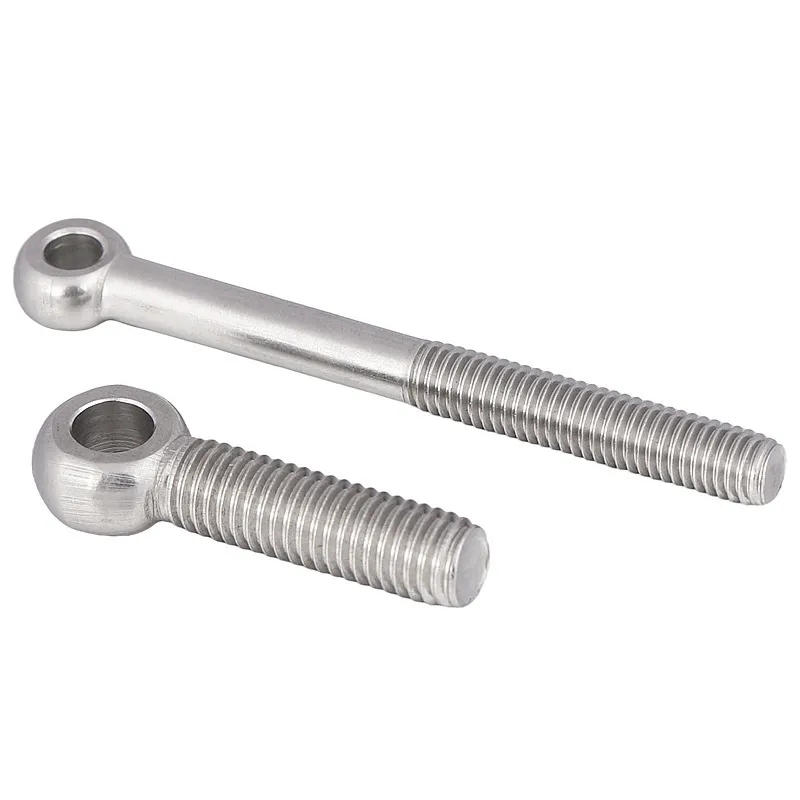
Manufacturing Process of Push Fasteners: Precision and Quality Assurance
The production of high-performance push fasteners demands a meticulously controlled manufacturing process, integrating advanced engineering with stringent quality control. Our commitment to ISO 9001 and ANSI standards ensures that every fastener meets the highest benchmarks for reliability and performance. The typical service life of our industrial-grade push fasteners often exceeds 15-20 years in standard operating conditions, a testament to the robust manufacturing methodology.
Process Flow: From Raw Material to Finished Product
Step 1: Material Selection and Preparation
We utilize premium materials such as high-grade engineering plastics (e.g., Nylon 6/6, Acetal, Polycarbonate) and corrosion-resistant metals (e.g., stainless steel, brass) selected based on the application's mechanical and environmental requirements. Materials are rigorously inspected for impurities and adherence to ASTM specifications before entering the production line.
Step 2: Precision Manufacturing (Molding/Stamping)
For plastic push fasteners, injection molding is employed using state-of-the-art CNC-controlled machines to ensure dimensional accuracy, critical for consistent engagement and retention. Metal fasteners undergo precision stamping or cold forging, followed by intricate CNC machining for features like threads, grooves, or locking mechanisms. This ensures optimal fit and functionality, preventing premature wear or failure.
Step 3: Heat Treatment and Surface Finishing (for Metal Fasteners)
Metal components may undergo specific heat treatments (e.g., annealing, hardening, tempering) to achieve desired material properties such as enhanced tensile strength and fatigue resistance. Surface finishing, including zinc plating, anodizing, or specialized polymer coatings, is applied to provide superior corrosion resistance and aesthetic appeal, extending the component's service life, particularly in harsh environments found in petrochemical or marine applications.
Step 4: Assembly and Quality Assurance
Complex push fasteners comprising multiple components are assembled using automated or semi-automated processes. Throughout the entire process, statistical process control (SPC) and real-time visual inspections are conducted. Final product testing includes pull-out strength tests, cyclic fatigue tests, environmental resistance (salt spray for corrosion resistance), and dimensional verification to ensure compliance with specified tolerances. This rigorous testing regimen guarantees energy saving solutions through reduced maintenance and replacement frequencies, especially in critical sectors like metallurgy and water supply & drainage.
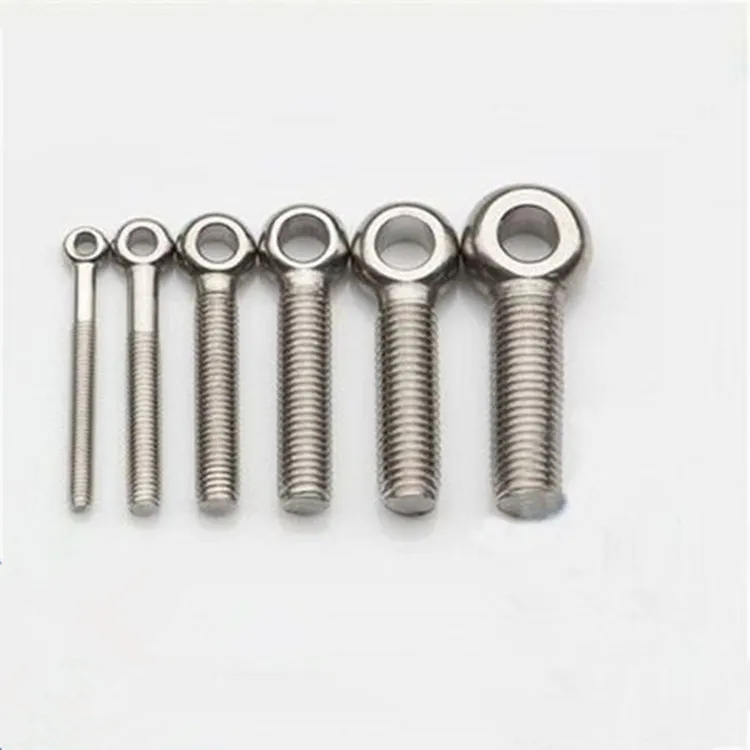
Technical Specifications and Parameters of Advanced Push Fasteners
Understanding the precise technical specifications of push fasteners is critical for engineers and procurement specialists to ensure optimal performance and compatibility. Our products are engineered with meticulous attention to material science, mechanical stress distribution, and environmental resilience, meeting or exceeding international standards such as ISO 14583 for plastics and various ASTM specifications for metals. The design principles often involve a combination of radial compression forces and frictional engagement, ensuring secure yet releasable connections. Key parameters include grip range, shear strength, tensile strength, and operational temperature range.
Typical Specifications for Industrial Push Fasteners (e.g., Nylon 6/6 Body, Acetal Pin)
| Parameter | Value/Description | Testing Standard |
|---|---|---|
| Product Name | White - Black Push Fastener | Internal Quality Control |
| Material (Body) | Nylon 6/6 (PA66) | ASTM D4066, UL94 V-2 Flammability |
| Material (Pin) | Acetal (POM) | ASTM D4181 |
| Hole Diameter Compatibility | 6.0mm - 6.5mm | ISO 2768-1 fine |
| Grip Range (Panel Thickness) | 1.5mm - 7.0mm | Internal Test Protocol (pull-out) |
| Pull-Out Strength (Avg.) | 150 N (33.7 lbs) | ASTM D638 (Tensile) |
| Shear Strength (Avg.) | 200 N (45.0 lbs) | ASTM D732 (Shear) |
| Operating Temperature Range | -40°C to +85°C (-40°F to +185°F) | ISO 11357 |
| UV Resistance | Good (Weather-stabilized PA66) | ASTM G154 (Accelerated Weathering) |
| Chemical Resistance | Excellent against oils, greases, solvents | ISO 2812-1 |
| Color Availability | White, Black (Custom colors available) | Customer Specification |
These specifications underscore the robust engineering of our push fasteners, designed to withstand rigorous industrial environments. Their mechanical properties provide excellent vibration resistance, a critical factor in dynamic assemblies where loosening could lead to catastrophic failure. Furthermore, the selection of materials like Nylon 6/6 and Acetal ensures inherent corrosion resistance, reducing the need for additional protective coatings and simplifying material compatibility in diverse applications, from petrochemical facilities to demanding automotive underhood scenarios.
Diverse Application Scenarios for Push Fasteners
The adaptability and efficiency of push fasteners make them indispensable across a wide spectrum of industries and applications. Their design allows for rapid, tool-free installation, significantly reducing assembly time and labor costs, while providing reliable and often aesthetically pleasing connections. This makes them ideal for environments where frequent maintenance or component replacement is necessary, or where a clean, finished appearance is desired, such as with hidden fasteners.
- Automotive Industry: Widely used for interior trim panels, door cards, engine bay components, dashboard assemblies, and trunk linings. They offer quick installation during vehicle assembly and ease of removal for maintenance. Specialized variants function as secure license plate fasteners, resisting vibration and environmental exposure.
- Construction and Architecture: Increasingly adopted for non-structural applications such as cladding systems, insulation panel attachment, false ceilings, and interior partitioning. The use of hidden deck fasteners exemplifies their role in creating seamless, visually appealing surfaces while ensuring robust installation for outdoor structures.
- Electronics and Telecommunications: Ideal for securing circuit boards, cable management, housing enclosures, and battery compartments in consumer electronics, industrial control panels, and server racks. Their non-conductive properties (for plastic versions) prevent short circuits, while their ease of use facilitates quick field servicing.
- Appliance Manufacturing: Used in white goods (refrigerators, washing machines) and small appliances for securing internal components, access panels, and decorative bezels. They contribute to streamlined production lines and consumer-friendly designs.
- Furniture and Cabinetry: Provide efficient assembly solutions for knock-down furniture, drawers, and shelving units, offering both structural integrity and a clean finish, often functioning as hidden fasteners to maintain aesthetic lines.
- Aerospace (Non-Critical Applications): Utilized for securing interior panels, wiring harnesses, and lightweight enclosures where rapid access and vibration resistance are critical, though not for primary structural components.
- Medical Devices: Applied in non-invasive medical equipment for enclosure closures, panel attachment, and internal component securing, where quick access for sterilization or maintenance is crucial.
These diverse applications underscore why push fasteners are considered among the 10 different types of fasteners that are revolutionizing industrial assembly. Their versatility also makes them suitable for use alongside or as an alternative to traditional anchor fastener types, offering distinct advantages where rapid, non-permanent, or aesthetic connections are prioritized. For instance, while an anchor fastener 10mm might be specified for heavy load-bearing wall fixings, a push fastener excels in panel-to-frame applications requiring frequent removal.
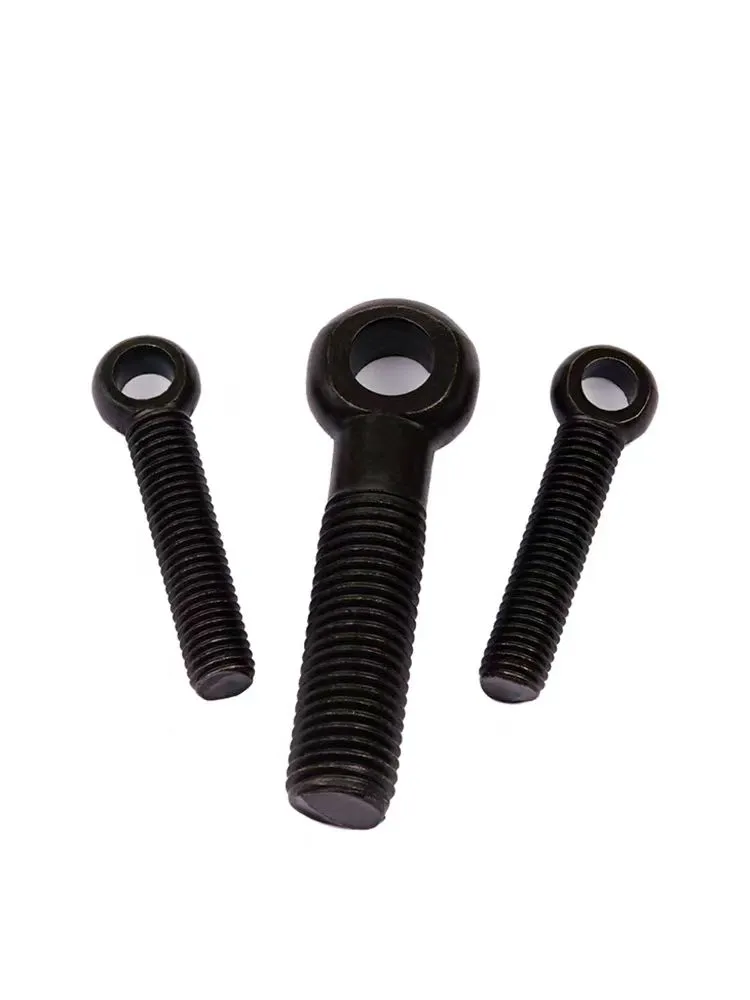
Key Technical Advantages of Push Fasteners
The strategic adoption of push fasteners offers significant technical advantages that contribute to optimized product design, manufacturing efficiency, and long-term operational savings. These benefits position them as a superior choice in numerous applications compared to conventional fastening methods.
- Rapid Installation and Disassembly: The primary advantage is the tool-free, snap-in installation. This dramatically reduces assembly time on production lines, leading to substantial labor cost savings. For maintenance, components can be detached quickly without specialized tools, minimizing downtime and servicing expenses. This efficiency is a direct contributor to energy saving initiatives by streamlining processes.
- Vibration Resistance: Engineered with specific retention mechanisms (e.g., expanding legs, barbed shafts), push fasteners maintain a secure grip even under constant vibration, preventing loosening that could occur with threaded fasteners. This is crucial for automotive, aerospace, and industrial machinery where dynamic loads are common.
- Corrosion Resistance: Many push fasteners are manufactured from engineering plastics or specialty alloys, offering inherent resistance to moisture, chemicals, and environmental degradation. This eliminates the need for galvanic isolation or complex surface treatments, providing a highly effective corrosion resistance solution for applications in demanding environments such as marine, petrochemical, or outdoor construction.
- Aesthetic Integration: The design of many push fasteners allows for flush mounting or discreet placement, making them ideal as hidden fasteners. This provides a clean, uninterrupted surface finish, enhancing the overall aesthetic appeal of the end product, a critical consideration in consumer goods and architectural applications, including for hidden deck fasteners.
- Weight Reduction: Particularly plastic variants, push fasteners offer significant weight savings compared to their metal counterparts. This is vital in industries like automotive and aerospace, where every gram reduced contributes to fuel efficiency and performance improvements.
- Non-Conductivity: Plastic push fasteners are electrically non-conductive, making them safe for electrical and electronic assemblies, eliminating the risk of short circuits or requiring additional insulation.
- Damage Prevention: Their design often incorporates features that reduce the risk of panel damage during installation, such as controlled compression and smooth edges, preventing scratches or deformation associated with overtightening or abrasive metal fasteners.
- Cost-Efficiency: Beyond initial purchase price, the total cost of ownership is reduced through faster assembly, fewer rejected parts, extended service life due to corrosion and vibration resistance, and reduced maintenance requirements.
These combined advantages provide compelling reasons for specifying advanced push fasteners in next-generation product designs and manufacturing processes, delivering superior value and performance across target industries.
Vendor Comparison: Selecting the Right Push Fastener Supplier
Choosing the right supplier for industrial push fasteners extends beyond simply comparing product prices. It involves a holistic evaluation of technical expertise, quality assurance, customization capabilities, lead times, and after-sales support. For B2B decision-makers, a reliable partner ensures consistent product quality, minimizes supply chain disruptions, and offers innovative solutions for evolving project demands. Below is a comparative analysis considering key performance indicators.
Comparative Analysis of Industrial Fastener Suppliers
| Criterion | LZ Fasteners | Competitor A (Generic) | Competitor B (Specialized Niche) |
|---|---|---|---|
| Product Quality & Certifications | ISO 9001:2015, RoHS, REACH compliant. Rigorous QC at every stage. | Basic ISO certification; variable quality control. | Often specialized certifications for specific applications (e.g., aerospace). |
| Customization Capabilities | Extensive R&D, material science, tooling design for bespoke solutions. | Limited to standard modifications of existing products. | High customization, but often with high minimum order quantities (MOQs). |
| Technical Support & Expertise | Dedicated engineering team, application support, material recommendations. | Standard product data sheets; limited in-depth consultation. | Strong technical depth within their niche; less broad product knowledge. |
| Lead Time & Fulfillment | Optimized supply chain, strong inventory, typical 3-5 weeks for custom orders. | Longer lead times for non-stock items; potential for delays. | Variable, often longer due to highly specialized production processes. |
| Cost-Effectiveness | Competitive pricing with emphasis on total cost of ownership (TCO) benefits. | Often lower initial price, but potential for higher TCO due to quality/service. | Premium pricing for specialized solutions, justified by unique performance. |
| Global Reach & Logistics | Robust global distribution network, efficient international shipping. | Regional focus; international shipping can be complex. | Often limited to specific geographical markets or project-based logistics. |
LZ Fasteners stands out by balancing superior product quality and extensive customization with efficient logistics and robust technical support. Our deep understanding of engineering plastics and metals allows us to offer not just a product, but a comprehensive fastening solution tailored to your specific project needs. We believe in building long-term partnerships through consistent delivery of high-value, high-performance push fasteners.
Customized Solutions for Specialized Push Fastener Requirements
Recognizing that off-the-shelf solutions may not always meet the unique challenges of complex industrial applications, LZ Fasteners offers extensive customized solutions for push fasteners. Our engineering team collaborates closely with clients to develop bespoke fastening components that precisely match application-specific performance criteria, material requirements, and operational environments. This approach ensures optimal functionality and integration, particularly for projects demanding specialized versions of heavy duty snap fasteners or unique hidden fasteners.
Our Customization Process Includes:
- Material Specification: Beyond standard Nylon 6/6 or Acetal, we can engineer push fasteners from advanced polymers like PEEK, PSU, or PPS for extreme temperature resistance, enhanced chemical inertness, or specific mechanical properties. Metal fasteners can be fabricated from various stainless steel grades, aluminum alloys, or brass, with specialized coatings for superior corrosion resistance or conductivity requirements.
- Design Modification and Geometry Optimization: Our CAD/CAM capabilities allow for modifications to head styles, shaft dimensions, grip ranges, and retention features. This includes designing specific barb geometries for enhanced pull-out strength in softer materials, or developing low-profile heads for aesthetic integration (e.g., for hidden deck fasteners). We can also adapt designs for specific hole patterns or panel thicknesses.
- Performance Optimization: Through finite element analysis (FEA) and extensive testing, we can optimize push fastener designs to meet precise shear, tensile, and fatigue load requirements. This includes enhancing torsional resistance for dynamic applications or designing components for specific insertion/removal force profiles.
- Color Matching and Aesthetic Customization: For applications where visual integration is crucial, such as consumer electronics or architectural finishes, we offer custom color matching and specialized surface textures to blend seamlessly with the surrounding components.
- Tooling Development: For entirely new designs, we undertake comprehensive tooling development, ensuring precision molds and dies that guarantee consistent quality and high-volume production capabilities. Our in-house tooling expertise minimizes lead times for custom components.
- Compliance and Certification: Custom push fasteners can be developed to comply with specific industry standards (e.g., automotive specifications like those from SAE, or medical device regulations) and environmental directives, providing peace of mind for specialized applications.
Our agile design and manufacturing process allows us to turn complex requirements into high-performance fastening solutions, providing our clients with a distinct competitive advantage in their respective markets. From conceptualization to production, LZ Fasteners acts as an extension of your engineering team, ensuring every custom push fastener delivers optimal value.
Real-World Application Case Studies with Push Fasteners
The practical efficacy of push fasteners is best demonstrated through their successful deployment in real-world industrial scenarios. These case studies highlight how their unique advantages address complex engineering challenges, leading to improved performance, reduced costs, and enhanced product quality.
Case Study 1: Automotive Interior Trim Panel Integration
Client Challenge: A leading automotive manufacturer sought to reduce assembly time and improve the aesthetic finish of interior door panels and dashboard components. Traditional screw-fastening methods were labor-intensive, prone to overtightening damage, and sometimes resulted in visible fastener heads, conflicting with modern vehicle interior design principles.
LZ Fasteners Solution: We developed a custom series of low-profile, two-piece plastic push fasteners (similar to our White - Black series) using high-grade Nylon 6/6. These fasteners were engineered with specific barb geometries to ensure optimal retention in various panel materials while allowing for easy, tool-free installation. The design incorporated a flush-fit head to provide a seamless, finished appearance.
Results: The implementation of our push fasteners resulted in a 30% reduction in assembly time for interior panels, significantly boosting production line efficiency. Customer feedback indicated a noticeable improvement in perceived quality due to the absence of visible fasteners. Furthermore, the inherent vibration resistance of the fasteners minimized rattles and squeaks, enhancing overall vehicle comfort and durability, directly impacting positive customer experience.
Case Study 2: Heavy-Duty Industrial Enclosure for Petrochemical Facilities
Client Challenge: An engineering firm designing modular control enclosures for petrochemical plants required a fastening solution that could withstand extreme corrosion, wide temperature fluctuations, and constant vibration. The previous solution involved stainless steel screws which, despite their inherent resistance, were prone to seizing over time due to chemical exposure and required specialized tools for maintenance, increasing downtime.
LZ Fasteners Solution: We provided a bespoke version of our heavy duty snap fasteners, fabricated from a specialized, UV-stabilized, and chemically resistant PBT (Polybutylene Terephthalate) polymer. These robust push fasteners were designed with an enhanced radial expansion mechanism to ensure maximum pull-out and shear strength, matching the performance requirements of traditional metal fasteners. The material choice provided superior chemical resistance against common industrial solvents and acids, addressing the corrosion issue effectively.
Results: The custom push fasteners completely eliminated fastener corrosion issues, significantly extending the service life of the enclosures in the harsh petrochemical environment. Maintenance time for accessing internal components was reduced by 40% due to the tool-free installation and removal, leading to substantial operational cost savings and improved safety protocols. The fasteners also demonstrated superior long-term performance under constant vibration, ensuring the integrity of critical control systems.
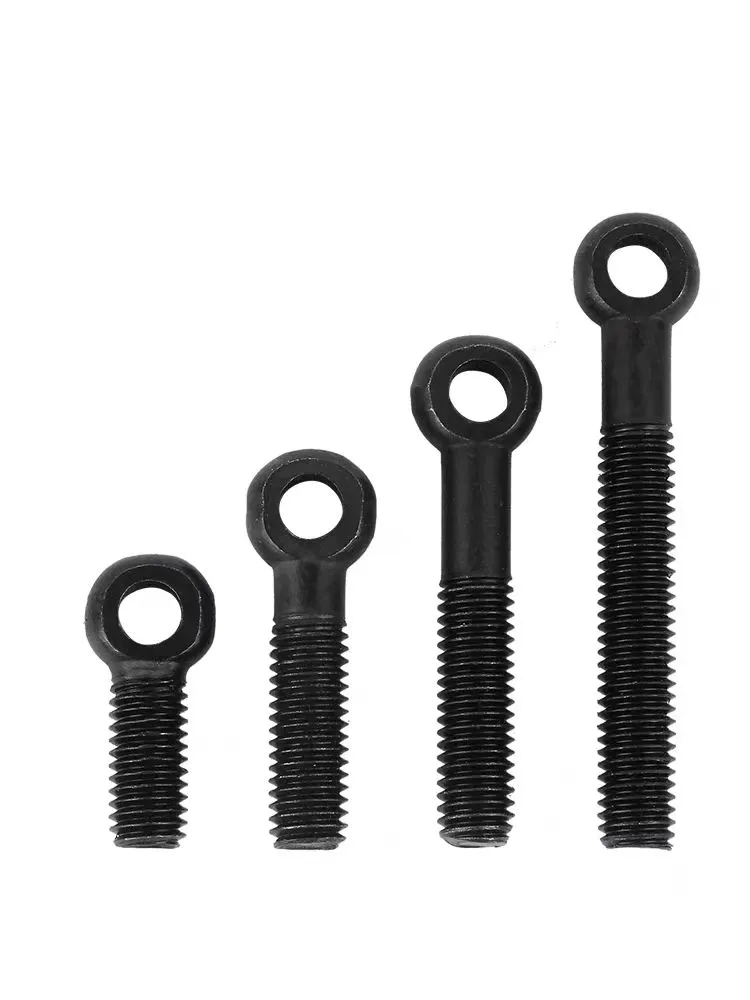
Frequently Asked Questions (FAQ) about Push Fasteners
Q: What materials are commonly used for push fasteners?
A: The most common materials include high-performance engineering plastics like Nylon 6/6 (Polyamide), Acetal (Polyoxymethylene), Polycarbonate, and polypropylene. For applications requiring higher strength, temperature resistance, or specific electrical properties, specialized polymers such as PEEK, PPS, or composites are used. Metal push fasteners, though less common, are typically made from stainless steel (e.g., 304, 316), brass, or aluminum, often with protective coatings for enhanced corrosion resistance.
Q: How do push fasteners compare to traditional anchor fasteners?
A: Push fasteners are primarily designed for rapid, tool-free assembly of panels, trim, and lightweight components, focusing on quick installation, aesthetic integration (hidden fasteners), and vibration resistance. They achieve their hold through compression and friction within a pre-drilled hole. In contrast, an anchor fastener (e.g., a heavy-duty anchor fastener 10mm for masonry) is engineered for high load-bearing applications, securing objects to solid substrates like concrete or brick, and typically requires a pre-drilled hole and specific tightening torque. While both secure objects, their application domains and load capacities are distinctly different.
Q: Are there different types of push fasteners for heavy-duty applications?
A: Yes, while many push fasteners are designed for lighter-duty applications, there are specialized variants, often referred to as heavy duty snap fasteners, engineered for more demanding environments. These typically feature reinforced designs, larger diameters, and sometimes multi-component construction for increased shear and tensile strength. Materials like glass-filled nylon or metal-reinforced polymers are also utilized. This illustrates how the 10 different types of fasteners can be further specialized to meet specific performance needs, expanding their utility into more robust applications.
Q: What are the benefits of using hidden deck fasteners?
A: Hidden deck fasteners offer several advantages for outdoor decking applications. Primarily, they provide a clean, smooth, and barefoot-friendly deck surface by eliminating visible screws or nails, enhancing both aesthetics and safety. This also protects the fastener from UV exposure and moisture, reducing corrosion and extending the life of both the fastener and the decking material. Furthermore, they allow for natural expansion and contraction of deck boards, minimizing warping and splitting. This falls under the broader category of hidden fasteners, which prioritize discreet installation for improved appearance and performance.
Commitment to Service: Lead Time, Warranty, and Support
Lead Time and Fulfillment
At LZ Fasteners, we understand the critical nature of timely delivery in B2B operations. Our robust supply chain and optimized manufacturing processes enable efficient order fulfillment. For standard push fasteners, typical lead times for in-stock items are 1-2 business days for processing and dispatch. For larger volume orders or custom-engineered solutions, lead times generally range from 3 to 6 weeks, depending on complexity, material availability, and tooling requirements. We maintain transparent communication throughout the order lifecycle, providing real-time updates and proactive notifications to ensure seamless project planning for our clients.
Warranty Commitments
We stand behind the quality and performance of our push fasteners. All products are backed by a standard 12-month limited warranty against defects in material and workmanship from the date of purchase. This warranty covers fasteners used under normal operating conditions and installed according to our guidelines. Our commitment extends to ensuring that our products meet or exceed their published technical specifications, providing confidence and reliability for your critical applications. Specific project-based warranties for custom solutions can be negotiated to address unique performance guarantees.
Customer Support and After-Sales Service
Our dedication to customer satisfaction goes beyond product delivery. LZ Fasteners provides comprehensive after-sales support, including technical assistance, troubleshooting, and application guidance. Our team of experienced engineers is available to address any inquiries regarding installation, performance optimization, or material compatibility. We offer resources such as detailed technical data sheets, installation guides, and access to our engineering experts for consultation. For any challenges or specific requests, our customer support team is readily accessible via phone, email, and dedicated online portals, ensuring that you receive prompt and knowledgeable assistance whenever needed.
Authoritative References
- ISO 9001:2015 - Quality management systems — Requirements. International Organization for Standardization.
- ASTM International Standards - Various standards related to plastic and metal material properties and testing (e.g., ASTM D638, ASTM D4066, ASTM G154).
- "Handbook of Fasteners" by Parmley, R. O. (2009). McGraw-Hill Professional.
- "Plastics Handbook: The Standard Encyclopedia of Plastic Materials, Parts, and Processes" by Rosato, D. V., & Rosato, D. V. (2005). Carl Hanser Verlag.
- Society of Automotive Engineers (SAE) International - Fastener standards and practices within the automotive industry.
Latest news
-
Essential Guide to ms15795 856 Fasteners Precision and Reliability
NewsApr.16,2026
-
High Precision ms15795 852 Fasteners for Aerospace Applications
NewsApr.09,2026
-
Comprehensive Guide to MS15795 848 Fasteners for Aerospace and Industrial Applications
NewsApr.07,2026
-
Comprehensive Guide to MS15795 846 Fasteners for Aerospace and Industrial Use
NewsApr.04,2026
-
Comprehensive Guide to MS15795 844 Fasteners for Aerospace and Defense Applications
NewsMar.31,2026
-
Comprehensive Guide to MS15795 842 Fasteners for Aerospace and Defense
NewsMar.28,2026
Industry Trends in Fastener Technology and the Rise of Advanced Solutions
The global industrial fastener market is undergoing a significant transformation, driven by demands for increased efficiency, durability, and specialized applications across various sectors. As industries pivot towards automation, lightweighting, and sustainable manufacturing, the need for innovative fastening solutions becomes paramount. Traditional bolting and welding are increasingly being supplemented or replaced by advanced fastener technologies that offer quicker installation, reduced assembly costs, and superior performance characteristics in challenging environments.
A key trend is the development of versatile, user-friendly fasteners capable of secure, rapid attachment and detachment without specialized tooling. This includes solutions such as push fasteners, which exemplify this shift. These components are gaining traction for their ease of use and reliability in applications ranging from automotive interiors to complex electronic assemblies. The market also sees continued innovation in related areas, such as robust license plate fasteners that resist corrosion, and specialized solutions like heavy duty snap fasteners designed for high-stress industrial applications. Furthermore, the aesthetic demands of modern design are driving the adoption of hidden deck fasteners and other hidden fasteners, ensuring structural integrity without compromising visual appeal. This evolution underscores a broader industry movement towards intelligent, application-specific fastening systems, moving beyond generic solutions to embrace precision-engineered components.
Manufacturing Process of Push Fasteners: Precision and Quality Assurance
The production of high-performance push fasteners demands a meticulously controlled manufacturing process, integrating advanced engineering with stringent quality control. Our commitment to ISO 9001 and ANSI standards ensures that every fastener meets the highest benchmarks for reliability and performance. The typical service life of our industrial-grade push fasteners often exceeds 15-20 years in standard operating conditions, a testament to the robust manufacturing methodology.
Process Flow: From Raw Material to Finished Product
Step 1: Material Selection and Preparation
We utilize premium materials such as high-grade engineering plastics (e.g., Nylon 6/6, Acetal, Polycarbonate) and corrosion-resistant metals (e.g., stainless steel, brass) selected based on the application's mechanical and environmental requirements. Materials are rigorously inspected for impurities and adherence to ASTM specifications before entering the production line.
Step 2: Precision Manufacturing (Molding/Stamping)
For plastic push fasteners, injection molding is employed using state-of-the-art CNC-controlled machines to ensure dimensional accuracy, critical for consistent engagement and retention. Metal fasteners undergo precision stamping or cold forging, followed by intricate CNC machining for features like threads, grooves, or locking mechanisms. This ensures optimal fit and functionality, preventing premature wear or failure.
Step 3: Heat Treatment and Surface Finishing (for Metal Fasteners)
Metal components may undergo specific heat treatments (e.g., annealing, hardening, tempering) to achieve desired material properties such as enhanced tensile strength and fatigue resistance. Surface finishing, including zinc plating, anodizing, or specialized polymer coatings, is applied to provide superior corrosion resistance and aesthetic appeal, extending the component's service life, particularly in harsh environments found in petrochemical or marine applications.
Step 4: Assembly and Quality Assurance
Complex push fasteners comprising multiple components are assembled using automated or semi-automated processes. Throughout the entire process, statistical process control (SPC) and real-time visual inspections are conducted. Final product testing includes pull-out strength tests, cyclic fatigue tests, environmental resistance (salt spray for corrosion resistance), and dimensional verification to ensure compliance with specified tolerances. This rigorous testing regimen guarantees energy saving solutions through reduced maintenance and replacement frequencies, especially in critical sectors like metallurgy and water supply & drainage.
Technical Specifications and Parameters of Advanced Push Fasteners
Understanding the precise technical specifications of push fasteners is critical for engineers and procurement specialists to ensure optimal performance and compatibility. Our products are engineered with meticulous attention to material science, mechanical stress distribution, and environmental resilience, meeting or exceeding international standards such as ISO 14583 for plastics and various ASTM specifications for metals. The design principles often involve a combination of radial compression forces and frictional engagement, ensuring secure yet releasable connections. Key parameters include grip range, shear strength, tensile strength, and operational temperature range.
Typical Specifications for Industrial Push Fasteners (e.g., Nylon 6/6 Body, Acetal Pin)
| Parameter | Value/Description | Testing Standard |
|---|---|---|
| Product Name | White - Black Push Fastener | Internal Quality Control |
| Material (Body) | Nylon 6/6 (PA66) | ASTM D4066, UL94 V-2 Flammability |
| Material (Pin) | Acetal (POM) | ASTM D4181 |
| Hole Diameter Compatibility | 6.0mm - 6.5mm | ISO 2768-1 fine |
| Grip Range (Panel Thickness) | 1.5mm - 7.0mm | Internal Test Protocol (pull-out) |
| Pull-Out Strength (Avg.) | 150 N (33.7 lbs) | ASTM D638 (Tensile) |
| Shear Strength (Avg.) | 200 N (45.0 lbs) | ASTM D732 (Shear) |
| Operating Temperature Range | -40°C to +85°C (-40°F to +185°F) | ISO 11357 |
| UV Resistance | Good (Weather-stabilized PA66) | ASTM G154 (Accelerated Weathering) |
| Chemical Resistance | Excellent against oils, greases, solvents | ISO 2812-1 |
| Color Availability | White, Black (Custom colors available) | Customer Specification |
These specifications underscore the robust engineering of our push fasteners, designed to withstand rigorous industrial environments. Their mechanical properties provide excellent vibration resistance, a critical factor in dynamic assemblies where loosening could lead to catastrophic failure. Furthermore, the selection of materials like Nylon 6/6 and Acetal ensures inherent corrosion resistance, reducing the need for additional protective coatings and simplifying material compatibility in diverse applications, from petrochemical facilities to demanding automotive underhood scenarios.
Diverse Application Scenarios for Push Fasteners
The adaptability and efficiency of push fasteners make them indispensable across a wide spectrum of industries and applications. Their design allows for rapid, tool-free installation, significantly reducing assembly time and labor costs, while providing reliable and often aesthetically pleasing connections. This makes them ideal for environments where frequent maintenance or component replacement is necessary, or where a clean, finished appearance is desired, such as with hidden fasteners.
- Automotive Industry: Widely used for interior trim panels, door cards, engine bay components, dashboard assemblies, and trunk linings. They offer quick installation during vehicle assembly and ease of removal for maintenance. Specialized variants function as secure license plate fasteners, resisting vibration and environmental exposure.
- Construction and Architecture: Increasingly adopted for non-structural applications such as cladding systems, insulation panel attachment, false ceilings, and interior partitioning. The use of hidden deck fasteners exemplifies their role in creating seamless, visually appealing surfaces while ensuring robust installation for outdoor structures.
- Electronics and Telecommunications: Ideal for securing circuit boards, cable management, housing enclosures, and battery compartments in consumer electronics, industrial control panels, and server racks. Their non-conductive properties (for plastic versions) prevent short circuits, while their ease of use facilitates quick field servicing.
- Appliance Manufacturing: Used in white goods (refrigerators, washing machines) and small appliances for securing internal components, access panels, and decorative bezels. They contribute to streamlined production lines and consumer-friendly designs.
- Furniture and Cabinetry: Provide efficient assembly solutions for knock-down furniture, drawers, and shelving units, offering both structural integrity and a clean finish, often functioning as hidden fasteners to maintain aesthetic lines.
- Aerospace (Non-Critical Applications): Utilized for securing interior panels, wiring harnesses, and lightweight enclosures where rapid access and vibration resistance are critical, though not for primary structural components.
- Medical Devices: Applied in non-invasive medical equipment for enclosure closures, panel attachment, and internal component securing, where quick access for sterilization or maintenance is crucial.
These diverse applications underscore why push fasteners are considered among the 10 different types of fasteners that are revolutionizing industrial assembly. Their versatility also makes them suitable for use alongside or as an alternative to traditional anchor fastener types, offering distinct advantages where rapid, non-permanent, or aesthetic connections are prioritized. For instance, while an anchor fastener 10mm might be specified for heavy load-bearing wall fixings, a push fastener excels in panel-to-frame applications requiring frequent removal.
Key Technical Advantages of Push Fasteners
The strategic adoption of push fasteners offers significant technical advantages that contribute to optimized product design, manufacturing efficiency, and long-term operational savings. These benefits position them as a superior choice in numerous applications compared to conventional fastening methods.
- Rapid Installation and Disassembly: The primary advantage is the tool-free, snap-in installation. This dramatically reduces assembly time on production lines, leading to substantial labor cost savings. For maintenance, components can be detached quickly without specialized tools, minimizing downtime and servicing expenses. This efficiency is a direct contributor to energy saving initiatives by streamlining processes.
- Vibration Resistance: Engineered with specific retention mechanisms (e.g., expanding legs, barbed shafts), push fasteners maintain a secure grip even under constant vibration, preventing loosening that could occur with threaded fasteners. This is crucial for automotive, aerospace, and industrial machinery where dynamic loads are common.
- Corrosion Resistance: Many push fasteners are manufactured from engineering plastics or specialty alloys, offering inherent resistance to moisture, chemicals, and environmental degradation. This eliminates the need for galvanic isolation or complex surface treatments, providing a highly effective corrosion resistance solution for applications in demanding environments such as marine, petrochemical, or outdoor construction.
- Aesthetic Integration: The design of many push fasteners allows for flush mounting or discreet placement, making them ideal as hidden fasteners. This provides a clean, uninterrupted surface finish, enhancing the overall aesthetic appeal of the end product, a critical consideration in consumer goods and architectural applications, including for hidden deck fasteners.
- Weight Reduction: Particularly plastic variants, push fasteners offer significant weight savings compared to their metal counterparts. This is vital in industries like automotive and aerospace, where every gram reduced contributes to fuel efficiency and performance improvements.
- Non-Conductivity: Plastic push fasteners are electrically non-conductive, making them safe for electrical and electronic assemblies, eliminating the risk of short circuits or requiring additional insulation.
- Damage Prevention: Their design often incorporates features that reduce the risk of panel damage during installation, such as controlled compression and smooth edges, preventing scratches or deformation associated with overtightening or abrasive metal fasteners.
- Cost-Efficiency: Beyond initial purchase price, the total cost of ownership is reduced through faster assembly, fewer rejected parts, extended service life due to corrosion and vibration resistance, and reduced maintenance requirements.
These combined advantages provide compelling reasons for specifying advanced push fasteners in next-generation product designs and manufacturing processes, delivering superior value and performance across target industries.
Vendor Comparison: Selecting the Right Push Fastener Supplier
Choosing the right supplier for industrial push fasteners extends beyond simply comparing product prices. It involves a holistic evaluation of technical expertise, quality assurance, customization capabilities, lead times, and after-sales support. For B2B decision-makers, a reliable partner ensures consistent product quality, minimizes supply chain disruptions, and offers innovative solutions for evolving project demands. Below is a comparative analysis considering key performance indicators.
Comparative Analysis of Industrial Fastener Suppliers
| Criterion | LZ Fasteners | Competitor A (Generic) | Competitor B (Specialized Niche) |
|---|---|---|---|
| Product Quality & Certifications | ISO 9001:2015, RoHS, REACH compliant. Rigorous QC at every stage. | Basic ISO certification; variable quality control. | Often specialized certifications for specific applications (e.g., aerospace). |
| Customization Capabilities | Extensive R&D, material science, tooling design for bespoke solutions. | Limited to standard modifications of existing products. | High customization, but often with high minimum order quantities (MOQs). |
| Technical Support & Expertise | Dedicated engineering team, application support, material recommendations. | Standard product data sheets; limited in-depth consultation. | Strong technical depth within their niche; less broad product knowledge. |
| Lead Time & Fulfillment | Optimized supply chain, strong inventory, typical 3-5 weeks for custom orders. | Longer lead times for non-stock items; potential for delays. | Variable, often longer due to highly specialized production processes. |
| Cost-Effectiveness | Competitive pricing with emphasis on total cost of ownership (TCO) benefits. | Often lower initial price, but potential for higher TCO due to quality/service. | Premium pricing for specialized solutions, justified by unique performance. |
| Global Reach & Logistics | Robust global distribution network, efficient international shipping. | Regional focus; international shipping can be complex. | Often limited to specific geographical markets or project-based logistics. |
LZ Fasteners stands out by balancing superior product quality and extensive customization with efficient logistics and robust technical support. Our deep understanding of engineering plastics and metals allows us to offer not just a product, but a comprehensive fastening solution tailored to your specific project needs. We believe in building long-term partnerships through consistent delivery of high-value, high-performance push fasteners.
Customized Solutions for Specialized Push Fastener Requirements
Recognizing that off-the-shelf solutions may not always meet the unique challenges of complex industrial applications, LZ Fasteners offers extensive customized solutions for push fasteners. Our engineering team collaborates closely with clients to develop bespoke fastening components that precisely match application-specific performance criteria, material requirements, and operational environments. This approach ensures optimal functionality and integration, particularly for projects demanding specialized versions of heavy duty snap fasteners or unique hidden fasteners.
Our Customization Process Includes:
- Material Specification: Beyond standard Nylon 6/6 or Acetal, we can engineer push fasteners from advanced polymers like PEEK, PSU, or PPS for extreme temperature resistance, enhanced chemical inertness, or specific mechanical properties. Metal fasteners can be fabricated from various stainless steel grades, aluminum alloys, or brass, with specialized coatings for superior corrosion resistance or conductivity requirements.
- Design Modification and Geometry Optimization: Our CAD/CAM capabilities allow for modifications to head styles, shaft dimensions, grip ranges, and retention features. This includes designing specific barb geometries for enhanced pull-out strength in softer materials, or developing low-profile heads for aesthetic integration (e.g., for hidden deck fasteners). We can also adapt designs for specific hole patterns or panel thicknesses.
- Performance Optimization: Through finite element analysis (FEA) and extensive testing, we can optimize push fastener designs to meet precise shear, tensile, and fatigue load requirements. This includes enhancing torsional resistance for dynamic applications or designing components for specific insertion/removal force profiles.
- Color Matching and Aesthetic Customization: For applications where visual integration is crucial, such as consumer electronics or architectural finishes, we offer custom color matching and specialized surface textures to blend seamlessly with the surrounding components.
- Tooling Development: For entirely new designs, we undertake comprehensive tooling development, ensuring precision molds and dies that guarantee consistent quality and high-volume production capabilities. Our in-house tooling expertise minimizes lead times for custom components.
- Compliance and Certification: Custom push fasteners can be developed to comply with specific industry standards (e.g., automotive specifications like those from SAE, or medical device regulations) and environmental directives, providing peace of mind for specialized applications.
Our agile design and manufacturing process allows us to turn complex requirements into high-performance fastening solutions, providing our clients with a distinct competitive advantage in their respective markets. From conceptualization to production, LZ Fasteners acts as an extension of your engineering team, ensuring every custom push fastener delivers optimal value.
Real-World Application Case Studies with Push Fasteners
The practical efficacy of push fasteners is best demonstrated through their successful deployment in real-world industrial scenarios. These case studies highlight how their unique advantages address complex engineering challenges, leading to improved performance, reduced costs, and enhanced product quality.
Case Study 1: Automotive Interior Trim Panel Integration
Client Challenge: A leading automotive manufacturer sought to reduce assembly time and improve the aesthetic finish of interior door panels and dashboard components. Traditional screw-fastening methods were labor-intensive, prone to overtightening damage, and sometimes resulted in visible fastener heads, conflicting with modern vehicle interior design principles.
LZ Fasteners Solution: We developed a custom series of low-profile, two-piece plastic push fasteners (similar to our White - Black series) using high-grade Nylon 6/6. These fasteners were engineered with specific barb geometries to ensure optimal retention in various panel materials while allowing for easy, tool-free installation. The design incorporated a flush-fit head to provide a seamless, finished appearance.
Results: The implementation of our push fasteners resulted in a 30% reduction in assembly time for interior panels, significantly boosting production line efficiency. Customer feedback indicated a noticeable improvement in perceived quality due to the absence of visible fasteners. Furthermore, the inherent vibration resistance of the fasteners minimized rattles and squeaks, enhancing overall vehicle comfort and durability, directly impacting positive customer experience.
Case Study 2: Heavy-Duty Industrial Enclosure for Petrochemical Facilities
Client Challenge: An engineering firm designing modular control enclosures for petrochemical plants required a fastening solution that could withstand extreme corrosion, wide temperature fluctuations, and constant vibration. The previous solution involved stainless steel screws which, despite their inherent resistance, were prone to seizing over time due to chemical exposure and required specialized tools for maintenance, increasing downtime.
LZ Fasteners Solution: We provided a bespoke version of our heavy duty snap fasteners, fabricated from a specialized, UV-stabilized, and chemically resistant PBT (Polybutylene Terephthalate) polymer. These robust push fasteners were designed with an enhanced radial expansion mechanism to ensure maximum pull-out and shear strength, matching the performance requirements of traditional metal fasteners. The material choice provided superior chemical resistance against common industrial solvents and acids, addressing the corrosion issue effectively.
Results: The custom push fasteners completely eliminated fastener corrosion issues, significantly extending the service life of the enclosures in the harsh petrochemical environment. Maintenance time for accessing internal components was reduced by 40% due to the tool-free installation and removal, leading to substantial operational cost savings and improved safety protocols. The fasteners also demonstrated superior long-term performance under constant vibration, ensuring the integrity of critical control systems.
Frequently Asked Questions (FAQ) about Push Fasteners
Q: What materials are commonly used for push fasteners?
A: The most common materials include high-performance engineering plastics like Nylon 6/6 (Polyamide), Acetal (Polyoxymethylene), Polycarbonate, and polypropylene. For applications requiring higher strength, temperature resistance, or specific electrical properties, specialized polymers such as PEEK, PPS, or composites are used. Metal push fasteners, though less common, are typically made from stainless steel (e.g., 304, 316), brass, or aluminum, often with protective coatings for enhanced corrosion resistance.
Q: How do push fasteners compare to traditional anchor fasteners?
A: Push fasteners are primarily designed for rapid, tool-free assembly of panels, trim, and lightweight components, focusing on quick installation, aesthetic integration (hidden fasteners), and vibration resistance. They achieve their hold through compression and friction within a pre-drilled hole. In contrast, an anchor fastener (e.g., a heavy-duty anchor fastener 10mm for masonry) is engineered for high load-bearing applications, securing objects to solid substrates like concrete or brick, and typically requires a pre-drilled hole and specific tightening torque. While both secure objects, their application domains and load capacities are distinctly different.
Q: Are there different types of push fasteners for heavy-duty applications?
A: Yes, while many push fasteners are designed for lighter-duty applications, there are specialized variants, often referred to as heavy duty snap fasteners, engineered for more demanding environments. These typically feature reinforced designs, larger diameters, and sometimes multi-component construction for increased shear and tensile strength. Materials like glass-filled nylon or metal-reinforced polymers are also utilized. This illustrates how the 10 different types of fasteners can be further specialized to meet specific performance needs, expanding their utility into more robust applications.
Q: What are the benefits of using hidden deck fasteners?
A: Hidden deck fasteners offer several advantages for outdoor decking applications. Primarily, they provide a clean, smooth, and barefoot-friendly deck surface by eliminating visible screws or nails, enhancing both aesthetics and safety. This also protects the fastener from UV exposure and moisture, reducing corrosion and extending the life of both the fastener and the decking material. Furthermore, they allow for natural expansion and contraction of deck boards, minimizing warping and splitting. This falls under the broader category of hidden fasteners, which prioritize discreet installation for improved appearance and performance.
Commitment to Service: Lead Time, Warranty, and Support
Lead Time and Fulfillment
At LZ Fasteners, we understand the critical nature of timely delivery in B2B operations. Our robust supply chain and optimized manufacturing processes enable efficient order fulfillment. For standard push fasteners, typical lead times for in-stock items are 1-2 business days for processing and dispatch. For larger volume orders or custom-engineered solutions, lead times generally range from 3 to 6 weeks, depending on complexity, material availability, and tooling requirements. We maintain transparent communication throughout the order lifecycle, providing real-time updates and proactive notifications to ensure seamless project planning for our clients.
Warranty Commitments
We stand behind the quality and performance of our push fasteners. All products are backed by a standard 12-month limited warranty against defects in material and workmanship from the date of purchase. This warranty covers fasteners used under normal operating conditions and installed according to our guidelines. Our commitment extends to ensuring that our products meet or exceed their published technical specifications, providing confidence and reliability for your critical applications. Specific project-based warranties for custom solutions can be negotiated to address unique performance guarantees.
Customer Support and After-Sales Service
Our dedication to customer satisfaction goes beyond product delivery. LZ Fasteners provides comprehensive after-sales support, including technical assistance, troubleshooting, and application guidance. Our team of experienced engineers is available to address any inquiries regarding installation, performance optimization, or material compatibility. We offer resources such as detailed technical data sheets, installation guides, and access to our engineering experts for consultation. For any challenges or specific requests, our customer support team is readily accessible via phone, email, and dedicated online portals, ensuring that you receive prompt and knowledgeable assistance whenever needed.
Authoritative References
- ISO 9001:2015 - Quality management systems — Requirements. International Organization for Standardization.
- ASTM International Standards - Various standards related to plastic and metal material properties and testing (e.g., ASTM D638, ASTM D4066, ASTM G154).
- "Handbook of Fasteners" by Parmley, R. O. (2009). McGraw-Hill Professional.
- "Plastics Handbook: The Standard Encyclopedia of Plastic Materials, Parts, and Processes" by Rosato, D. V., & Rosato, D. V. (2005). Carl Hanser Verlag.
- Society of Automotive Engineers (SAE) International - Fastener standards and practices within the automotive industry.
 English
  Afrikaans
  Arabic
  Bengali
  Bulgarian
  French
  German
  Hindi
Hindi  Indonesian
  Italian
  Japanese
  Korean
  Malay
Malay  Portuguese
  Russian
  Spanish
  Thai
Thai  Turkish
  Urdu
Urdu  Vietnamese