



Premium Brass Fasteners: Durable, Rust-Resistant & Versatile
The Enduring Value of brass fasteners in Industrial Applications
In critical industrial and commercial applications, the choice of fastening solutions dictates not only structural integrity but also long-term performance and operational efficiency. Among the myriad of options, brass fasteners stand out for their unique combination of material properties, offering superior corrosion resistance, excellent electrical conductivity, and an appealing aesthetic. This comprehensive guide delves into the technical aspects, application versatility, and strategic advantages of integrating brass fasteners into diverse engineering projects, targeting B2B decision-makers and technical procurement specialists.
The demand for reliable and specialized fastening components continues to grow across various sectors, driven by advancements in material science and increasing performance expectations. From precision electronics to heavy-duty marine infrastructure, the inherent characteristics of brass—primarily its copper and zinc alloy composition—provide a compelling alternative to steel or plastic fasteners, especially where specific environmental, electrical, or aesthetic requirements are paramount.
Industry Trends and Market Dynamics for Fasteners
The global fastener market is experiencing robust growth, propelled by the expansion of manufacturing, construction, and automotive industries. Key trends include a heightened focus on high-performance materials, lightweighting initiatives, and the increasing adoption of specialized fasteners for niche applications. For brass fasteners specifically, demand is surging in sectors that prioritize corrosion resistance, non-magnetic properties, and aesthetic appeal. The electronics industry, for instance, relies heavily on brass for its excellent electrical conductivity and resistance to oxidation in sensitive components.
Sustainability is also playing a significant role, with a growing emphasis on recyclable materials and energy-efficient manufacturing processes. Brass, being a highly recyclable alloy, aligns well with these environmental objectives. Furthermore, the rise of smart manufacturing and automation is driving the need for precision-engineered components, where dimensional accuracy and material consistency are non-negotiable. Specialized fasteners such as button fasteners for consumer electronics and cabinet fasteners for high-end furniture and bespoke architectural installations are seeing increased adoption. Emerging markets, particularly in Asia, are also contributing significantly to market expansion due to rapid industrialization and infrastructure development.
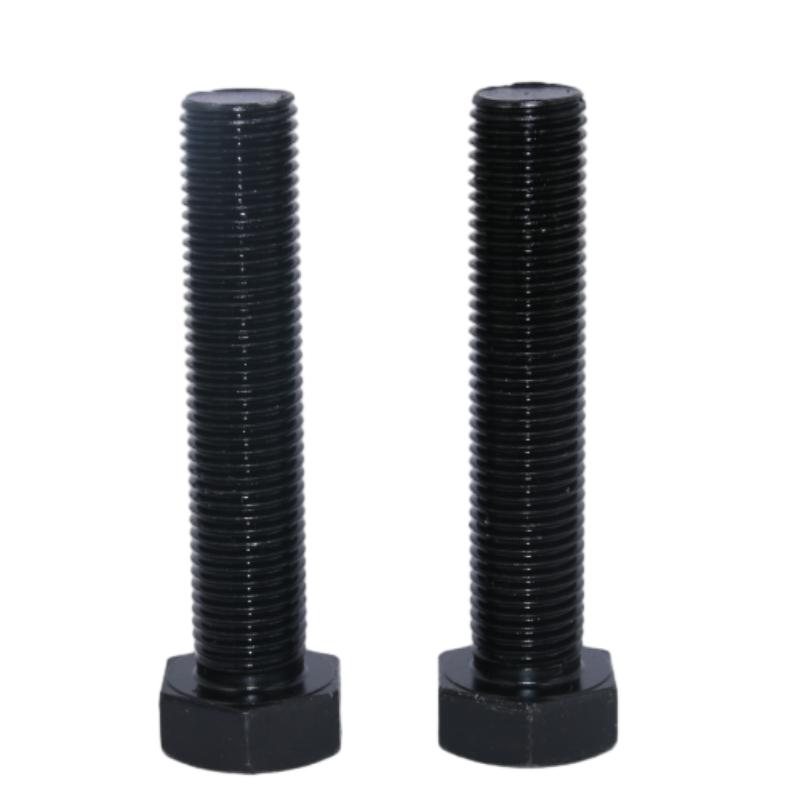
Technical Specifications and Material Properties
Brass is an alloy primarily composed of copper and zinc, with varying proportions that yield different properties and suitability for specific applications. Common brass alloys for fasteners include:
- C26000 (Cartridge Brass): Known for excellent cold working properties, ideal for rivets and small screws.
- C27000 (Yellow Brass): Good strength and ductility, suitable for general purpose fasteners.
- C36000 (Free-Cutting Brass): Contains lead for superior machinability, often used for complex turned components.
- C46400 (Naval Brass): Contains tin, offering enhanced corrosion resistance, especially in marine environments, making it suitable for specialized cable fasteners or marine grade bolts.
These alloys deliver specific performance advantages, such as exceptional resistance to rust and galvanic corrosion when paired with other dissimilar metals, making them a preferred choice in demanding environments.
Typical Product Specifications: Hexagon Head Bolts (Grades A and B)
Manufacturing Process Flow of Brass Fasteners
The production of high-quality brass fasteners involves a meticulously controlled multi-stage process to ensure dimensional accuracy, material integrity, and consistent mechanical properties.
- Material Selection and Preparation: High-grade brass rods or wire coils (e.g., C36000, C46400) are sourced from certified suppliers. Material composition is verified against industry standards like ASTM B16 or EN 12164 to ensure adherence to specified metallurgical properties.
- Cutting/Shearing: The raw brass stock is cut into precise lengths, known as blanks, which will form the body of the fastener. Accuracy at this stage minimizes waste and ensures uniform subsequent processing.
- Cold Forging (Cold Heading): This is a primary shaping process where the blanks are subjected to high pressure at room temperature. A series of dies and punches form the head of the fastener (e.g., hexagon head, button head for button fastener types) and often the initial shank geometry. Cold forging enhances the material's grain structure, improving its strength and fatigue resistance without material loss.
- Thread Rolling/Cutting: The threaded portion of the fastener is formed. Thread rolling, a chipless forming process, displaces material to create the threads, resulting in stronger threads with improved fatigue life compared to cut threads. For specialized or larger threads, CNC machining (thread cutting) may be employed for precision.
- Secondary Machining (if required): For complex designs or specific features, such as undercuts, shoulders, or specific tip geometries, CNC machining is used. This ensures tight tolerances for applications like cam lock fasteners where precision is critical for secure engagement.
- Deburring and Cleaning: Fasteners undergo deburring to remove any sharp edges or burrs that could affect performance or safety. This is followed by a thorough cleaning process to remove oils, debris, and contaminants, preparing them for any optional surface treatments.
- Heat Treatment (Annealing, optional): While brass generally has good ductility, specific applications might require stress relief or further softening through annealing. This process is carefully controlled to prevent grain growth and maintain desired mechanical properties.
- Surface Treatment (optional): Although brass offers inherent corrosion resistance, coatings like clear lacquer or specialized platings can be applied for enhanced aesthetics, tarnish resistance, or specific environmental protection.
- Quality Control and Testing: Throughout the entire process, fasteners undergo rigorous quality checks. This includes dimensional inspection (using calipers, micrometers, optical comparators), thread gauging, mechanical property testing (tensile strength, hardness), and visual inspection for surface defects. Adherence to standards like ISO 9001, ANSI, and DIN ensures product reliability.
- Packaging and Dispatch: Finished fasteners are carefully packaged to prevent damage during transit and labeled according to customer specifications and industry standards.
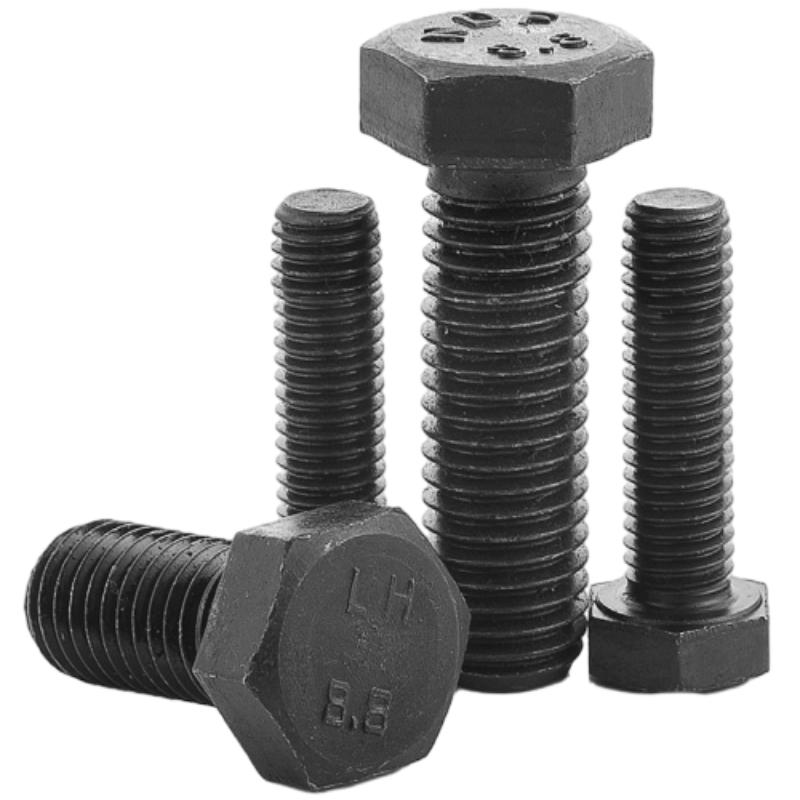
The typical service life of brass fasteners can exceed several decades under normal operating conditions, especially in environments where corrosion is a primary concern. Regular inspection and proper installation further extend their lifespan, making them a cost-effective choice for long-term reliability.
Application Scenarios and Technical Advantages
Brass fasteners are indispensable across a wide array of industries, owing to their distinct technical advantages over other materials.
Target Industries:
- Petrochemical: Used in pipelines and equipment where resistance to corrosive agents and spark-free properties are vital.
- Marine & Shipbuilding: Excellent resistance to saltwater corrosion, crucial for components exposed to harsh marine environments.
- Electrical & Electronics: High electrical conductivity and non-magnetic properties make them ideal for circuit boards, connectors, and switchgear.
- Water Supply & Drainage: Longevity and resistance to rust in wet environments are highly valued.
- Architecture & Interior Design: Aesthetic appeal for visible fastenings in high-end fixtures and fittings.
- Automotive (Specialty): For specific electrical components or interior aesthetics.
- Aerospace (Non-structural): In sensitive equipment where non-magnetic properties are required.
Demonstrated Advantages in Typical Scenarios:
- Corrosion Resistance: In coastal installations or chemical processing plants, brass components like chemical anchor fasteners or specialized bolts significantly outperform steel, preventing rust and degradation. This extends the lifespan of equipment and reduces maintenance costs, showcasing clear long-term savings.
- Electrical & Thermal Conductivity: For electrical enclosures and power distribution units, brass fasteners ensure efficient current flow and dissipate heat effectively, preventing hotspots and improving system reliability. This directly contributes to energy saving by reducing resistance and heat generation in electrical circuits.
- Non-Magnetic Properties: In sensitive scientific instruments, MRI machines, or navigation equipment, ferrous fasteners can interfere with magnetic fields. Brass provides a reliable non-magnetic alternative, ensuring precise operation.
- Aesthetic Appeal: For decorative fixtures, consumer electronics, or architectural accents, the inherent golden luster of brass eliminates the need for extensive plating, offering a premium finish and enhancing product perceived value. This is often seen with high-quality cabinet fasteners or visible mounting hardware.
- Ductility and Machinability: Brass's inherent ductility makes it less prone to brittle fracture than some other metals, and its excellent machinability allows for precise manufacturing of complex geometries, critical for specialized fasteners like cam lock fasteners.
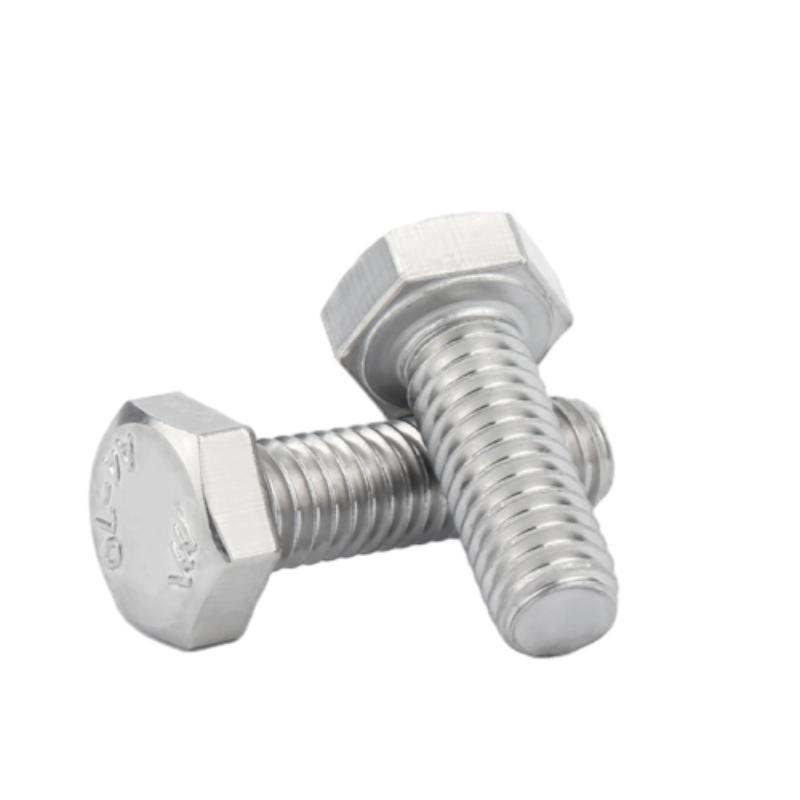
Vendor Comparison and Customized Solutions
Selecting the right supplier for brass fasteners is a strategic decision that impacts project timelines, quality, and cost-efficiency. Key factors for vendor comparison include manufacturing capabilities, quality assurance protocols, material sourcing transparency, and capacity for customized solutions.
Comparative Factors for Brass Fastener Suppliers:
Emphasizing Customized Solutions:
Many industrial applications require fasteners that deviate from standard specifications due to unique operational environments, assembly constraints, or performance demands. A capable brass fastener manufacturer should offer comprehensive customized solutions, including:
- Special Alloys: Utilizing specific brass grades (e.g., higher copper content for improved conductivity, or tin for enhanced corrosion resistance) beyond common C36000.
- Unique Geometries: Custom head designs, shank configurations, or threading (e.g., left-hand threads, self-tapping features).
- Dimensional Precision: Manufacturing to extremely tight tolerances for critical assemblies.
- Integrated Features: Combining fastening elements with other functionalities, such as specific sealing mechanisms or electrical contacts.
- Specialized Finishes: Applying custom coatings for enhanced aesthetics, friction control, or further environmental protection.
Engaging with a vendor capable of providing these tailored solutions ensures that the fastener performs optimally within its specific application, thereby enhancing overall system reliability and minimizing potential failure points.
Application Case Studies and Customer Success
Real-world applications underscore the critical role and superior performance of brass fasteners in demanding industrial environments. Our commitment to quality is validated by sustained client partnerships and measurable improvements in their operational frameworks.
Case Study 1: Marine Propulsion System – Enhanced Corrosion Resistance
A leading manufacturer of marine propulsion systems faced consistent issues with galvanic corrosion and rust on stainless steel fasteners in critical underwater components. The saline environment rapidly degraded the integrity of their assemblies, leading to increased maintenance and premature part failure. Our engineering team collaborated with them to specify custom Naval Brass fasteners (C46400) hexagon head bolts for key structural connections.
- Solution: Custom-manufactured brass bolts with fine pitch threads, designed for superior thread engagement and sealing, mitigating ingress of corrosive elements.
- Outcome: After two years of deployment, the brass fasteners exhibited negligible signs of corrosion, compared to the previous steel fasteners which showed significant degradation within six months. This resulted in a 40% reduction in component replacement frequency and an estimated 25% decrease in overall maintenance costs for these critical sub-assemblies. The client reported significantly improved system reliability and extended service intervals.
Case Study 2: High-Voltage Switchgear – Optimized Electrical Performance
An industrial electrical equipment producer required fasteners for high-voltage switchgear assemblies where stable electrical conductivity and minimal heat generation were paramount. Traditional plated steel fasteners showed inconsistent contact resistance and thermal expansion issues, leading to potential power losses and overheating.
- Solution: We supplied precision-machined brass terminal bolts and cable fasteners made from C27000 Yellow Brass, known for its excellent electrical properties. The fasteners were manufactured to tight dimensional tolerances, ensuring optimal surface-to-surface contact and consistent clamping force.
- Outcome: Post-implementation, the switchgear units demonstrated a measurable reduction in contact resistance across connections, leading to a 3% improvement in energy efficiency for the overall system. Thermal imaging confirmed a significant reduction in localized hotspots, enhancing operational safety and extending the lifespan of the electrical components. The customer praised the consistent quality and performance, leading to a long-term supply agreement.
Client Feedback & Certifications:
"Our partnership with [Company Name placeholder] for brass fasteners has been instrumental in enhancing the reliability of our products. Their technical expertise and commitment to quality are unparalleled." - Lead Engineer, Global Energy Solutions Corp.
We operate under stringent quality management systems, holding certifications such as ISO 9001:2015. Our products consistently meet or exceed relevant industry standards, including ANSI, DIN, and JIS, ensuring world-class quality and compliance. We have proudly served the industry for over two decades, building a reputation for precision and reliability.
Trustworthiness: FAQs, Lead Time, Warranty & Support
Frequently Asked Questions (FAQs):
Q: What makes brass fasteners superior to stainless steel in certain applications?
A: While stainless steel offers good corrosion resistance, brass fasteners excel in electrical conductivity, non-magnetic properties, and superior resistance to galvanic corrosion when paired with other copper alloys. They also offer a distinct aesthetic advantage and better machinability for intricate designs.
Q: Can you provide certification for your brass fastener materials?
A: Absolutely. All our brass materials are sourced from certified mills and come with full material test reports (MTRs) and Certificates of Conformance (CoCs), ensuring traceability and adherence to international standards like ASTM and EN.
Q: What is the typical lead time for custom brass fastener orders?
A: Lead times for custom brass fasteners vary depending on complexity, quantity, and current production schedules. Typically, prototyping takes 2-4 weeks, with production runs following in 4-8 weeks. We work closely with clients to meet specific project deadlines.
Q: Are your fasteners suitable for high-temperature environments?
A: Brass maintains its structural integrity and mechanical properties up to approximately 200°C (390°F). For applications exceeding this, we would recommend alternative materials or specialized brass alloys designed for elevated temperatures, which our engineering team can advise on.
Lead Time & Fulfillment:
For standard brass fasteners, lead times typically range from 1-3 weeks, depending on inventory levels and order volume. Expedited shipping options are available upon request. For customized solutions, our project managers provide a detailed timeline from design approval to final delivery, ensuring transparent communication at every stage. We leverage robust supply chain logistics to optimize fulfillment efficiency globally.
Warranty Commitments:
We stand behind the quality of our products with a comprehensive warranty against defects in material and workmanship. Our brass fasteners are guaranteed to meet or exceed all specified industry standards and customer requirements for a period of one year from the date of purchase. Detailed warranty terms are available upon request.
Customer Support Information:
Our dedicated technical support team is available to assist with product selection, application engineering, and any post-purchase inquiries. We offer expert advice to ensure you choose the optimal brass fastener for your specific needs.
- Email: sales@lzfasteners.com
- Phone: +86-XXX-XXXXXXX
- Hours: Monday - Friday, 8:00 AM - 5:00 PM (GMT+8)
Conclusion
The strategic integration of brass fasteners offers a compelling blend of technical advantages, including superior corrosion resistance, excellent electrical conductivity, and aesthetic appeal, making them ideal for a diverse range of demanding B2B applications. By understanding the manufacturing nuances, adhering to stringent quality standards, and leveraging expert customization, businesses can unlock enhanced operational efficiency, extend component lifespan, and achieve significant long-term value. Choosing a reputable supplier with robust quality controls and comprehensive support ensures the optimal performance of these critical components in your industrial systems.
References
- ASM International. (2001). ASM Handbook, Vol. 2: Properties and Selection: Nonferrous Alloys and Special-Purpose Materials. ASM International.
- International Organization for Standardization. (2015). ISO 9001:2015 - Quality management systems — Requirements. ISO.
- American Society for Testing and Materials. (2020). ASTM B16/B16M - Standard Specification for Free-Cutting Brass Rod, Bar, Wire, and Shapes for Use in Screw Machines. ASTM International.
- National Institute of Standards and Technology. (2023). Material Property Data for Copper and Copper Alloys. NIST.
Latest news
-
Reliable DIN 127 Spring Washers for Industrial Applications | LZ Fasteners
NewsDec.03,2025
-
Comprehensive Guide to DIN 126 Washer: Specifications, Uses & Benefits
NewsDec.03,2025
-
Durable and High-Quality Din 125a A2 Washers for Industry | LZ Fasteners
NewsDec.03,2025
-
Comprehensive Guide to DIN 125A Washers – Specifications, Applications & Vendors
NewsDec.03,2025
-
Din 125 Washer - Reliable Industrial Fastening Solutions from LZ Fasteners
NewsDec.03,2025
-
What is a DIN 125 Flat Washer? Global Significance, Specs & Vendors
NewsDec.03,2025
 English
  Afrikaans
  Arabic
  Bengali
  Bulgarian
  French
  German
  Hindi
Hindi  Indonesian
  Italian
  Japanese
  Korean
  Malay
Malay  Portuguese
  Russian
  Spanish
  Thai
Thai  Turkish
  Urdu
Urdu  Vietnamese