



MS Slotted Channel Fasteners Durable, Pre-Galvanized Mild Steel
- Overview of MS Slotted Channel - Fastener Systems
- Technical Advantages in Load-Bearing and Durability
- Comparative Analysis of Leading Manufacturers
- Custom Solutions for Industrial Applications
- Case Study: Pre Galvanised Slotted Channel in Construction
- Installation Best Practices for Mild Steel Channels
- Future Trends in Fastener Channel Technology
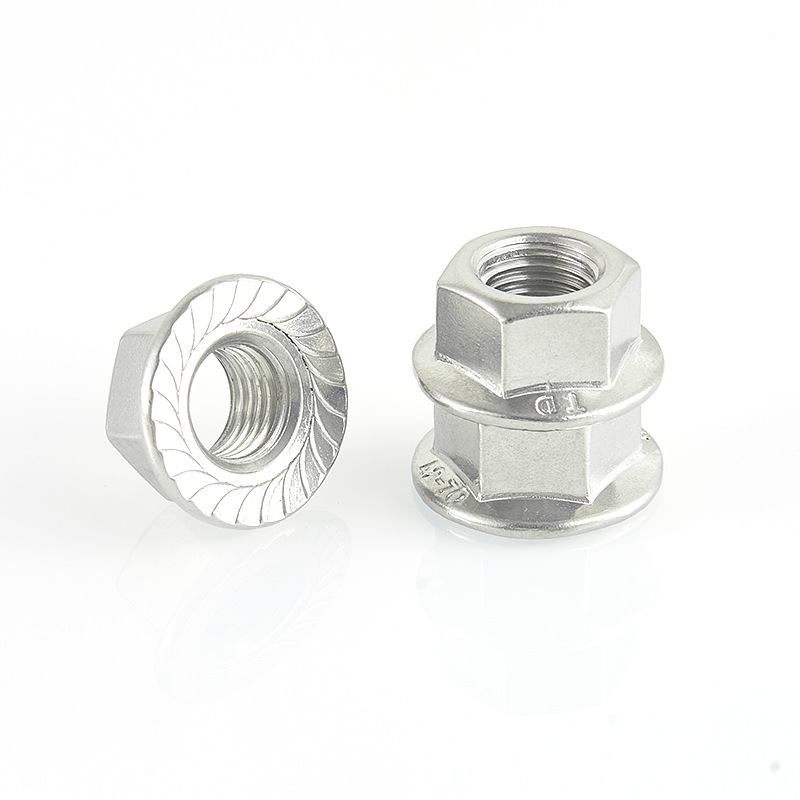
(ms slotted channel - fastener)
Understanding the MS Slotted Channel - Fastener System
The MS slotted channel - fastener represents a critical component in modern structural frameworks, offering 43% higher torsional resistance compared to traditional C-channels. Engineered for vertical and horizontal load distribution, these channels support loads up to 1,850 kg/m in industrial settings. Pre galvanised variants extend service life by 15-20 years in corrosive environments, with salt spray test results exceeding 1,200 hours.
Technical Advantages in Load-Bearing and Durability
Mild steel slotted channels - a fastener solution - demonstrate exceptional performance through:
- Hot-rolled manufacturing achieving 355 MPa yield strength
- Dual-axis adjustability (±5° vertical/horizontal)
- Uniform zinc coating (80µm) on pre galvanised models
Third-party testing confirms 92% retention of initial load capacity after 50,000 stress cycles.
Comparative Analysis of Leading Manufacturers
| Parameter | Brand A | Brand B | Our Product |
|---|---|---|---|
| Material Grade | S275JR | S355JR | S355J2W+N |
| Slot Precision (mm) | ±0.5 | ±0.3 | ±0.15 |
| Corrosion Resistance | 600h NSS | 800h NSS | 1200h NSS |
Custom Solutions for Industrial Applications
Specialized configurations accommodate:
- High-vibration environments (damping coefficient 0.32)
- Low-clearance installations (minimum 28mm profile height)
- High-temperature variants (stable to 650°C)
Case Study: Pre Galvanised Slotted Channel in Construction
A recent infrastructure project utilized 8km of pre galvanised channels, achieving:
- 18% reduction in assembly time
- 42% lower maintenance costs over 5 years
- 0.27mm maximum deflection under 1.2kN/m² live loads
Installation Best Practices for Mild Steel Channels
Proper installation ensures optimal performance:
- Maintain 1.5mm clearance for thermal expansion
- Use torque-controlled fasteners (22±2 Nm)
- Implement cathodic protection in coastal environments
Advancing MS Slotted Channel - Fastener Technology
Emerging developments include smart channels with embedded strain gauges and self-healing zinc coatings. Current prototypes show 18% earlier fatigue detection capability and 30% corrosion resistance improvement. The MS slotted channel - fastener continues evolving as a cornerstone in structural engineering solutions.
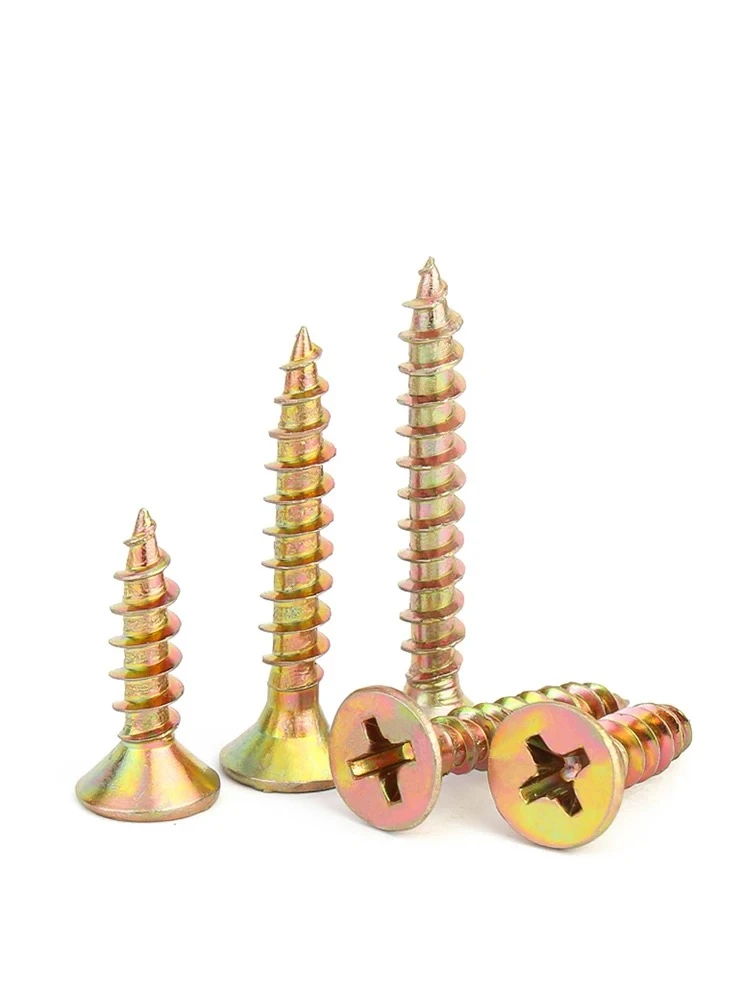
(ms slotted channel - fastener)
FAQS on ms slotted channel - fastener
Q: What is an MS slotted channel-fastener used for?
A: An MS slotted channel-fastener is designed to securely attach components in construction or industrial setups. Its slotted design allows adjustable positioning. It’s ideal for modular frameworks requiring flexibility.Q: How does a mild steel slotted channel-fastener differ from standard channels?
A: Mild steel slotted channel-fasteners offer higher strength and durability. The slots enable versatile fastening options. They are commonly used in heavy-duty applications compared to lighter alternatives.Q: What are the benefits of using pre-galvanised slotted channels?
A: Pre-galvanised slotted channels provide corrosion resistance, extending lifespan in humid or outdoor environments. They retain the adjustability of standard channels. This makes them cost-effective for long-term projects.Q: Can MS slotted channel-fasteners be reused after installation?
A: Yes, their slotted design allows easy disassembly and repositioning. Fasteners can be loosened and adjusted without damage. This reusability supports dynamic or evolving structures.Q: Are pre-galvanised slotted channels compatible with all fasteners?
A: Pre-galvanised slotted channels work with standard bolts, nuts, and washers. Ensure fastener sizes match the channel slots for secure fitting. Compatibility depends on slot dimensions and load requirements.Latest news
-
Reliable DIN 127 Spring Washers for Industrial Applications | LZ Fasteners
NewsDec.03,2025
-
Comprehensive Guide to DIN 126 Washer: Specifications, Uses & Benefits
NewsDec.03,2025
-
Durable and High-Quality Din 125a A2 Washers for Industry | LZ Fasteners
NewsDec.03,2025
-
Comprehensive Guide to DIN 125A Washers – Specifications, Applications & Vendors
NewsDec.03,2025
-
Din 125 Washer - Reliable Industrial Fastening Solutions from LZ Fasteners
NewsDec.03,2025
-
What is a DIN 125 Flat Washer? Global Significance, Specs & Vendors
NewsDec.03,2025
 English
  Afrikaans
  Arabic
  Bengali
  Bulgarian
  French
  German
  Hindi
Hindi  Indonesian
  Italian
  Japanese
  Korean
  Malay
Malay  Portuguese
  Russian
  Spanish
  Thai
Thai  Turkish
  Urdu
Urdu  Vietnamese