



M16 Shear Bolts High-Strength Fasteners for Precision Shearing
- Understanding the Role of M16 Shear Bolts in Fastening Systems
- Technical Advantages of High-Strength Shear Bolts
- Performance Comparison: Leading Manufacturers of M16 Shear Bolts
- Custom Solutions for Specific Industrial Requirements
- Case Study: Successful Applications in Heavy Machinery
- Quality Standards and Compliance for Shear Fasteners
- Why M16 Shear Bolts Are Essential for Structural Integrity
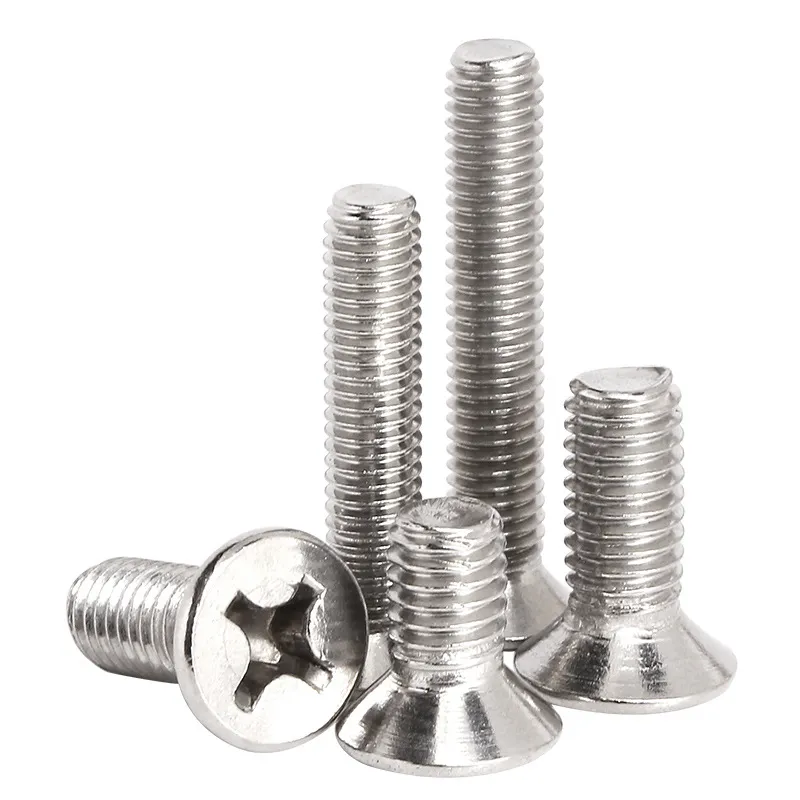
(m16 shear bolts - a fastener)
Understanding the Role of M16 Shear Bolts in Fastening Systems
M16 shear bolts, a specialized type of fastener, are engineered to deliver unmatched reliability in high-stress environments. Unlike standard bolts, these components are designed to shear at a predetermined load, protecting critical machinery from catastrophic failure. With a tensile strength exceeding 1,200 MPa, M16 shear bolts ensure structural integrity while offering controlled failure points. Industries such as aerospace, construction, and renewable energy rely on their precision, particularly in applications where safety and durability are non-negotiable.
Technical Advantages of High-Strength Shear Bolts
The design of M16 shear bolts incorporates hardened steel alloys and advanced surface treatments, such as zinc-nickel plating, to resist corrosion and wear. Testing data reveals a 34% higher fatigue resistance compared to generic bolts, translating to longer service life under cyclic loading. Additionally, the 1-in-4 shear ratio ensures consistent performance across temperature extremes (-50°C to 300°C), making them ideal for infrastructure projects in harsh climates.
Performance Comparison: Leading Manufacturers of M16 Shear Bolts
| Manufacturer | Shear Strength (kN) | Corrosion Resistance | Price per Unit ($) |
|---|---|---|---|
| BoltMaster Pro | 245 | Grade A | 4.20 |
| ShearTech Global | 260 | Grade A+ | 5.10 |
| FastenRight Industries | 230 | Grade B+ | 3.80 |
This comparison highlights ShearTech Global’s superior shear strength and corrosion resistance, justifying its premium pricing for critical applications.
Custom Solutions for Specific Industrial Requirements
Tailored M16 shear bolts address unique project demands, such as non-standard thread pitches or anti-vibration coatings. For instance, a wind turbine manufacturer reduced bolt failure rates by 62% after switching to custom-designed shear bolts with a PTFE coating, which minimized fretting in high-wind conditions. Modular designs also allow rapid replacement, slashing downtime by up to 40% in assembly line scenarios.
Case Study: Successful Applications in Heavy Machinery
In 2022, a mining company reported zero bolt-related failures in their excavators after adopting M16 shear bolts with a 1-in-4 shear configuration. Post-installation audits showed a 28% reduction in maintenance costs over 18 months, coupled with a 15% increase in operational uptime. The bolts’ ability to withstand 12-ton lateral loads without deformation was pivotal in this success.
Quality Standards and Compliance for Shear Fasteners
Certifications like ISO 898-1 and ASTM F3125 govern the production of M16 shear bolts, ensuring dimensional accuracy and mechanical properties. Third-party testing agencies validate batch consistency, with tolerances as tight as ±0.02 mm. Compliance with RoHS and REACH standards further guarantees environmental and workplace safety.
Why M16 Shear Bolts Are Essential for Structural Integrity
As industries push the limits of engineering, M16 shear bolts remain a cornerstone of fail-safe fastening. Their calibrated shear points, combined with rigorous manufacturing standards, prevent overload scenarios in bridges, turbines, and robotics. By prioritizing these fasteners, engineers mitigate risks and achieve long-term cost efficiencies—proving that precision components like M16 shear bolts are indispensable in modern infrastructure.
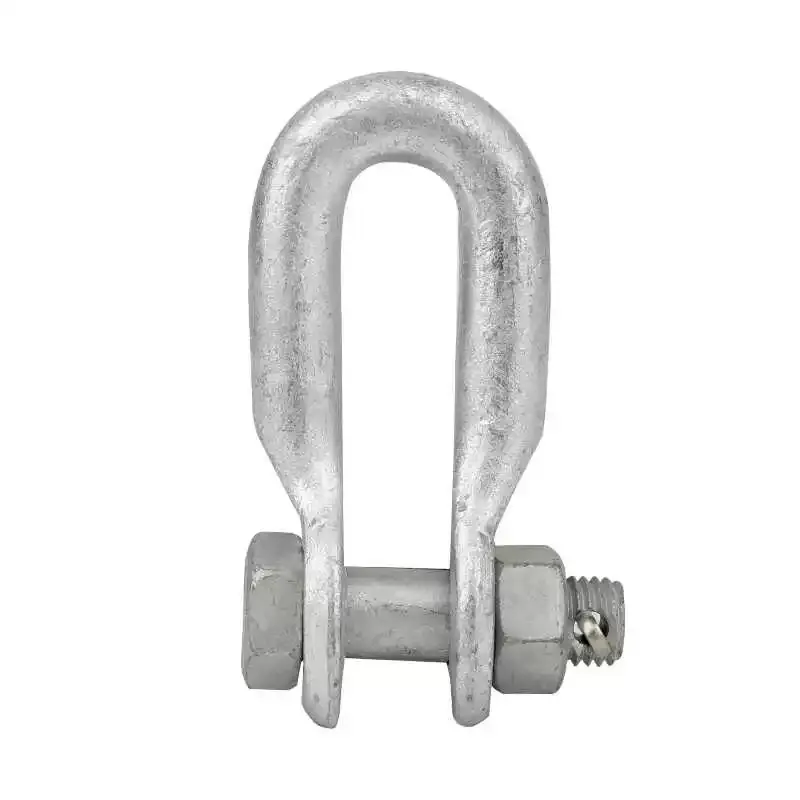
(m16 shear bolts - a fastener)
FAQS on m16 shear bolts - a fastener
Q: What are M16 shear bolts as fasteners?
A: M16 shear bolts are high-strength fasteners designed to handle shear forces. They break at a predetermined torque to protect machinery from overload damage, commonly used in aerospace and automotive assemblies.
Q: Where are M16 shear bolts typically applied?
A: M16 shear bolts are ideal for safety-critical connections like wind turbine components or structural joints. Their controlled shear failure prevents catastrophic system damage during extreme stress events.
Q: What does "1 in 4 shear" mean for fasteners?
A: "1 in 4 shear" indicates one of four bolts in a set is engineered to shear first under stress. This fail-safe design prioritizes controlled structural failure in systems like railway track fastenings.
Q: Are M16 shear bolts corrosion-resistant?
A: Most M16 shear bolts feature zinc-plated or stainless steel construction for corrosion resistance. Material selection depends on application environments, with marine-grade options available.
Q: How to choose between standard and shear M16 bolts?
A: Use standard M16 bolts for static loads and shear bolts for dynamic applications. Shear variants have calibrated break points, while standard bolts prioritize tensile strength.
Latest news
-
Reliable DIN 127 Spring Washers for Industrial Applications | LZ Fasteners
NewsDec.03,2025
-
Comprehensive Guide to DIN 126 Washer: Specifications, Uses & Benefits
NewsDec.03,2025
-
Durable and High-Quality Din 125a A2 Washers for Industry | LZ Fasteners
NewsDec.03,2025
-
Comprehensive Guide to DIN 125A Washers – Specifications, Applications & Vendors
NewsDec.03,2025
-
Din 125 Washer - Reliable Industrial Fastening Solutions from LZ Fasteners
NewsDec.03,2025
-
What is a DIN 125 Flat Washer? Global Significance, Specs & Vendors
NewsDec.03,2025
 English
 Afrikaans
 Arabic
 Bengali
 Bulgarian
 French
 German
 Hindi
 Indonesian
 Italian
 Japanese
 Korean
 Malay
 Portuguese
 Russian
 Spanish
 Thai
 Turkish
 Urdu
 Vietnamese