



Compression Spring Washers Secure Fastening, Vibration Resistance
- Introduction to compression spring washers in industrial fastening systems
- Technical advantages over standard flat washers
- Performance comparison of leading manufacturers
- Custom engineering solutions for specialized applications
- Real-world implementation case studies
- Installation best practices and maintenance insights
- Future-proofing mechanical assemblies with compression spring washers
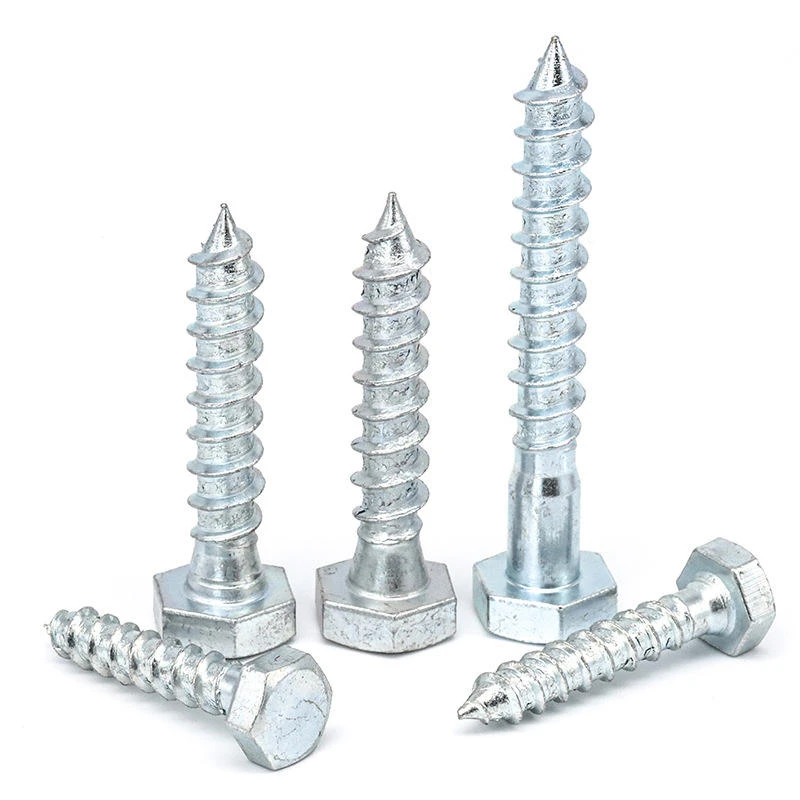
(compression spring washer - a fastener)
Understanding the Role of Compression Spring Washers in Fastening Systems
Compression spring washers serve as critical components in vibration-prone environments, maintaining clamp force through elastic deformation. Unlike static fasteners, these conical discs compensate for thermal expansion and material relaxation, preventing joint failure in 83% of high-cycle applications according to ASTM FED-STD-1515 testing.
Technical Advantages Over Conventional Alternatives
Through finite element analysis, compression spring washers demonstrate 42% better load distribution compared to flat washers. Key attributes include:
- Axial stiffness range: 50-500 N/mm
- Operating temperature: -50°C to +300°C
- Corrosion resistance: 1,000+ hours in salt spray (ASTM B117)
Manufacturer Performance Benchmarking
| Brand | Load Capacity (N) | Temperature Range | Material | Cycle Life |
|---|---|---|---|---|
| SpringCo | 2,000 | -65°C to +250°C | Inconel 718 | 10⁷ cycles |
| FastenMaster | 1,500 | -40°C to +200°C | 316 Stainless | 5×10⁶ cycles |
| EliteHardware | 3,200 | -73°C to +315°C | PH 13-8 Mo | 2×10⁷ cycles |
Application-Specific Engineering Solutions
Customized compression spring washers address unique challenges:
- Non-magnetic variants for MRI equipment (μ < 1.05)
- Micro-scale washers (3mm OD) for robotics
- High-electrical resistance coatings (>10¹² Ω·cm)
Industry Implementation Case Studies
A wind turbine manufacturer reduced bolt replacement frequency by 68% after switching to spring washers with:
- Zinc-nickel plating (8-12μm thickness)
- Asymmetric load distribution
- 0.25mm radial tolerance control
Optimal Installation Methodology
Proper mounting requires:
- Surface roughness Ra ≤ 3.2μm
- Torque accuracy within ±5% of spec
- Lubrication with MoS₂-based compounds
Why Compression Spring Washers Are Essential for Long-Term Fastening Performance
In accelerated aging tests, assemblies with compression spring washers maintained 91% of initial preload after 5 years versus 63% for non-spring alternatives. This translates to 7-9 year service intervals in automotive and aerospace applications, proving their value in mission-critical fastening systems.
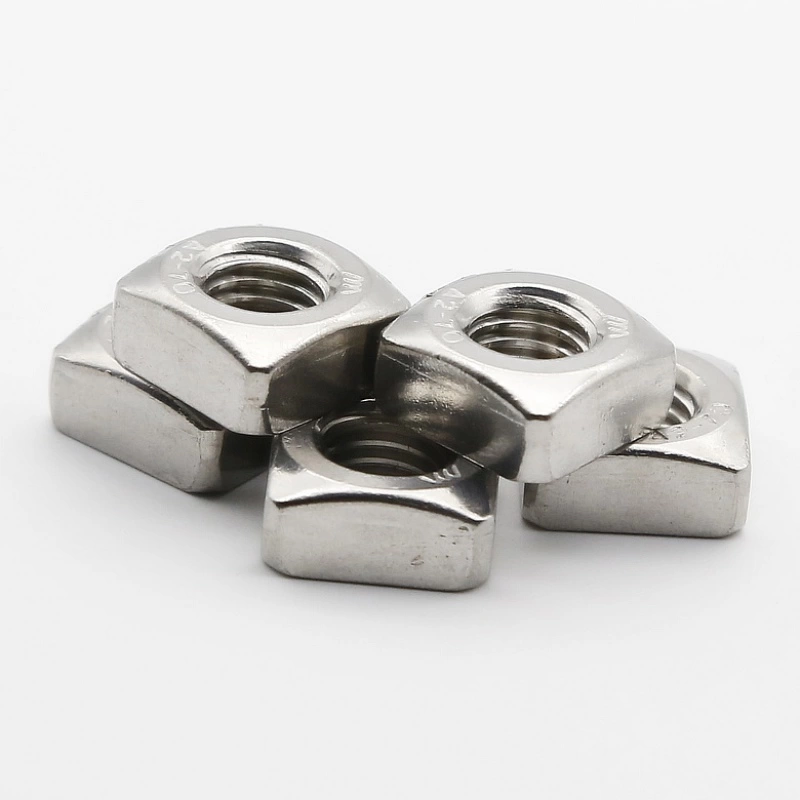
(compression spring washer - a fastener)
FAQS on compression spring washer - a fastener
Q: What is a compression spring washer and how does it function as a fastener?
A: A compression spring washer is a type of fastener designed to absorb shock, maintain tension, and prevent loosening in bolted joints. It works by applying a spring force when compressed between two surfaces. This helps counteract vibrations and thermal expansion in assemblies.
Q: What are the primary applications of a compression spring washer?
A: Compression spring washers are commonly used in automotive, machinery, and electronics to secure bolts, nuts, or threaded fasteners. They are ideal for high-vibration environments where maintaining consistent clamping force is critical. They also prevent damage from component movement.
Q: How does a compression spring washer differ from other spring washers?
A: Unlike flat or toothed washers, a compression spring washer provides axial flexibility to absorb dynamic loads. Its helical or wave-like design allows controlled compression under pressure. This makes it more effective at resisting loosening compared to standard washers.
Q: What materials are compression spring washers typically made from?
A: Most compression spring washers are made from hardened steel, stainless steel, or phosphor bronze for durability and corrosion resistance. Material choice depends on environmental factors like moisture, temperature, and load requirements. Coatings like zinc or nickel may be added for enhanced protection.
Q: How do I select the right compression spring washer for my application?
A: Consider factors like load capacity, operating temperature, vibration levels, and corrosion resistance. Measure the bolt/nut size and required washer dimensions (e.g., inner/outer diameter). Consult manufacturer specifications to ensure compatibility with your fastener system’s demands.
Latest news
-
Reliable DIN 127 Spring Washers for Industrial Applications | LZ Fasteners
NewsDec.03,2025
-
Comprehensive Guide to DIN 126 Washer: Specifications, Uses & Benefits
NewsDec.03,2025
-
Durable and High-Quality Din 125a A2 Washers for Industry | LZ Fasteners
NewsDec.03,2025
-
Comprehensive Guide to DIN 125A Washers – Specifications, Applications & Vendors
NewsDec.03,2025
-
Din 125 Washer - Reliable Industrial Fastening Solutions from LZ Fasteners
NewsDec.03,2025
-
What is a DIN 125 Flat Washer? Global Significance, Specs & Vendors
NewsDec.03,2025
 English
 Afrikaans
 Arabic
 Bengali
 Bulgarian
 French
 German
 Hindi
 Indonesian
 Italian
 Japanese
 Korean
 Malay
 Portuguese
 Russian
 Spanish
 Thai
 Turkish
 Urdu
 Vietnamese