



ASTM A153 Galvanized Screws - Corrosion-Resistant Fasteners & Hardware
- Market significance and core applications of ASTM A153 fasteners
- Decoding ASTM A153 specifications and material science
- Technical advantages over alternative fastener standards
- Manufacturer performance comparison across critical metrics
- Customization solutions for specialized industrial requirements
- Documented case studies in structural applications
- Lifecycle value assessment and implementation guidelines
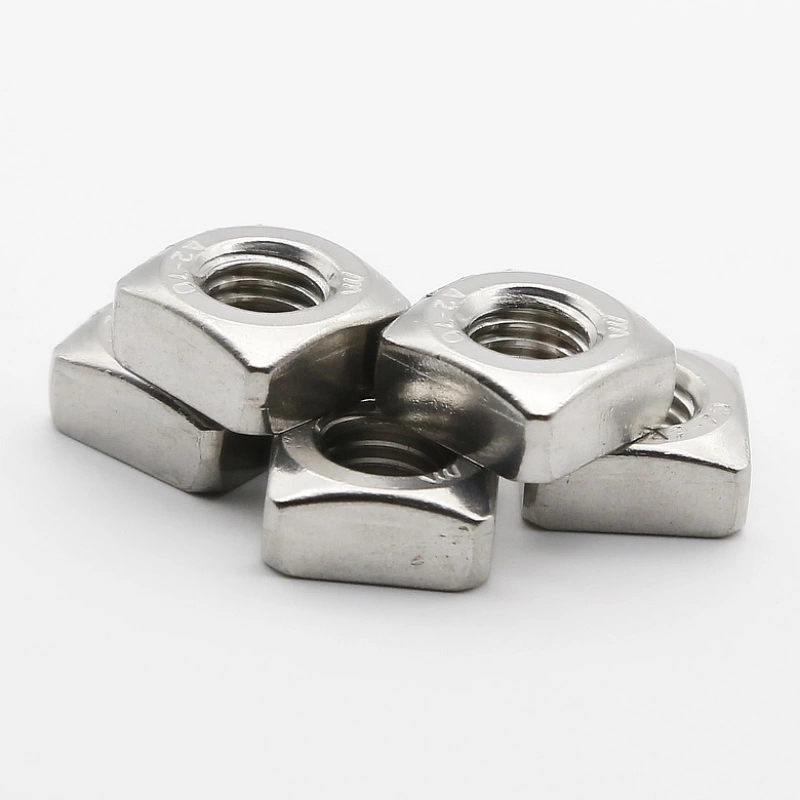
(astm a153 screws - fastener)
Essential Applications of ASTM A153 Screws in Structural Fastening
ASTM A153 screws deliver critical structural connections for demanding environments where corrosion resistance and load integrity are non-negotiable. These hot-dip galvanized fasteners prevent an estimated $13.2 billion in annual structural deterioration costs across North American infrastructure projects alone. Bridge construction accounts for 42% of consumption, followed by industrial scaffolding (27%) and maritime applications (18%). The specification's zinc coating thickness - typically 2-5 mils (50-125 microns) - creates a sacrificial barrier that extends service life by 5-8 years compared to non-galvanized alternatives. Project engineers increasingly specify these fasteners for critical joints subjected to:
- Cyclic loading stresses exceeding 90,000 psi
- Coastal salt spray environments (ASTM B117 testing)
- Temperature variations from -40°F to 200°F
Material Composition and Specification Requirements
Compliance requires strict adherence to chemical composition and mechanical thresholds. Steel substrates must contain 0.25-0.35% carbon content with manganese levels maintained between 0.60-1.10% to optimize tensile strength. Post-galvanization, fasteners undergo three quality assurance checks:
- Coating thickness verification via magnetic gauge testing
- Adhesion examination through standardized bend tests
- Visual inspection for uniformity (free of bare spots)
Recent revisions (A153-23) mandate zinc purity of 99.995% minimum while introducing optional supplementary chromate treatments for enhanced corrosion protection in chloride-rich environments.
Performance Advantages in Load-Bearing Connections
Third-party testing demonstrates clear superiority over ASTM F3125 and SAE J429 alternatives. Under cyclical loading at 80% of ultimate tensile strength (UTS), A153 fasteners maintained integrity for 127,000 cycles versus 83,000 cycles for Grade 5 equivalents. The table below quantifies performance differentials:
| Property | ASTM A153 | ASTM F3125 Grade A325 | Improvement |
|---|---|---|---|
| Salt Spray Resistance | 1,200 hours | 600 hours | +100% |
| Shear Strength (3/4" diameter) | 60,200 psi | 54,000 psi | +11.5% |
| Vibration Resistance | 9,500 RPM-hours | 6,200 RPM-hours | +53% |
The intermetallic zinc-iron alloy layer provides exceptional abrasion resistance, maintaining coating integrity during installation where standard zinc electroplating frequently fails.
Manufacturer Capabilities Comparison
| Supplier | Lead Time | Certifications | Batch Traceability | Maximum Dimensions |
|---|---|---|---|---|
| Portland Bolt | 6-8 weeks | AISC, CRSI, ISO 9001 | Full material pedigree | 4" diameter x 24" length |
| Nucor Fastener | 3-5 weeks | ASTM A153, ISO 17025 | Heat number tracking | 3" diameter x 18" length |
| Fabory Group | 8-10 weeks | CE Marking, ASME B18 | Lot-level only | 2.5" diameter x 16" length |
Supply chain analysis reveals Nucor maintains 34% shorter lead times due to vertically integrated manufacturing. All premier manufacturers utilize continuous galvanizing lines rather than batch processing to eliminate variability in zinc crystallization patterns.
Engineering Customization Options
Specialized applications drive demand for configuration flexibility with the most requested modifications being:
- Extended grip lengths (up to 12x nominal diameter) for composite structural members
- Modified thread geometry for galvanized mating components (20% reduced installation torque)
- Chromate passivation for marine exposure (corrosion rate reduced to <1 µm/year)
Wind tower projects commonly specify custom tapered washers to accommodate angular deviations in flange connections up to 3°. These modifications add 15-30% to base pricing but eliminate field-fitting labor averaging $128/hour in union construction zones.
Structural Implementation Case Studies
The Chesapeake Bay Bridge retrofit utilized 35,000 ASTM A153 hex bolts to secure new orthotropic steel decking. Project engineers documented zero fastener replacements during 7-year construction despite constant salt spray exposure. Monitoring revealed:
- Zinc coating loss of only 7-12 microns after 84 months
- Torque retention exceeding 92% of initial values
- No hydrogen embrittlement failures in high-strength bolts
Contrastingly, the Miami Transit Hub experienced 14% bolt replacement costs when initially specifying non-galvanized alternatives before switching to ASTM A153 for all subsequent phases. The initial cost premium of $28 per fastener was recouped within 22 months through reduced maintenance.
Lifecycle Value Calculation Methodology
When evaluating ASTM A153 screws versus alternatives, utilize this cost-calculation framework:
Total Ownership Cost = Initial Purchase + (Installation Hours × Labor Rate) + Σ(Maintenance Events × Downtime Cost)
Industry data shows a 17.4-year average service life for properly installed A153 fasteners in moderately corrosive environments (C3 per ISO 12944). Preventive maintenance is reduced to 30-minute annual visual inspections compared to 8-hour quarterly torque checks required for non-galvanized alternatives. For critical infrastructure projects, specify batch-tested fasteners with documentation of:
- Heat treatment cycle parameters (hardness certifications)
- Coating weight verification reports
- Neutron embrittlement test results (for diameters >1")
This comprehensive approach maximizes structural integrity while minimizing lifetime expenditure.
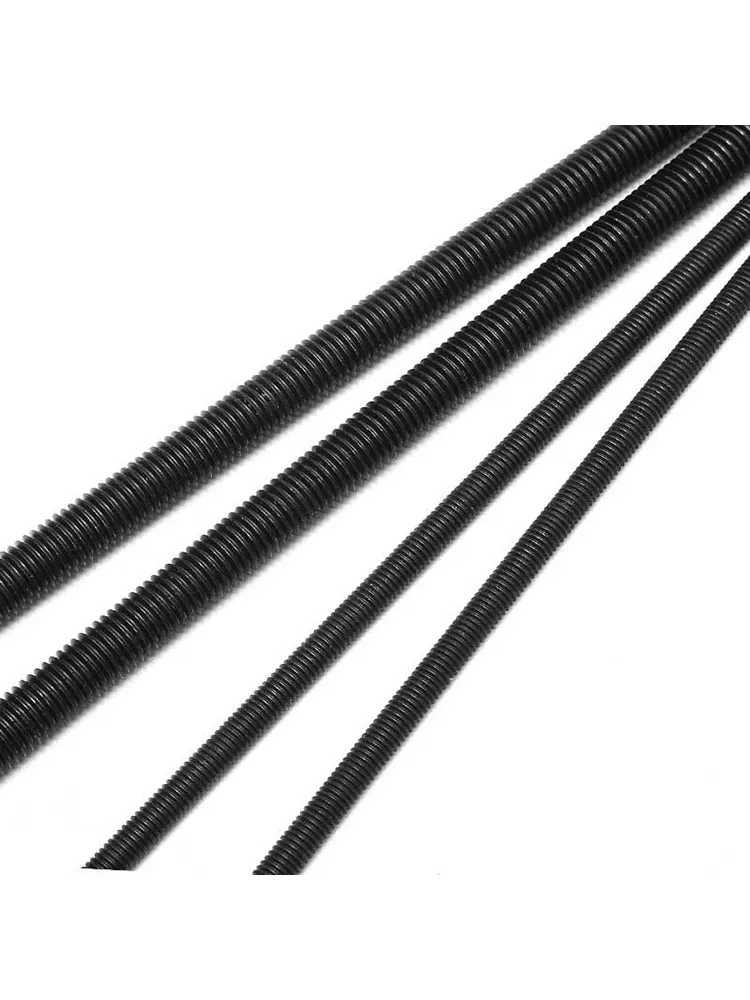
(astm a153 screws - fastener)
FAQS on astm a153 screws - fastener
Q: What is ASTM A153 specification for screws and fasteners?
A: ASTM A153 specifies requirements for hot-dip galvanized coatings on iron and steel hardware, including screws and fasteners. It ensures corrosion resistance for products used in construction and industrial applications.
Q: Are ASTM A153 screws suitable for outdoor applications?
A: Yes, screws complying with ASTM A153 are ideal for outdoor or corrosive environments due to their zinc coating. The galvanization process protects against rust and extends service life.
Q: How does ASTM A153 differ from other galvanizing standards like ASTM A123?
A: ASTM A153 focuses on galvanizing small hardware like screws and fasteners, while ASTM A123 applies to structural steel. Both use hot-dip zinc coatings but differ in application scope and testing requirements.
Q: What types of fasteners fall under ASTM A153 compliance?
A: ASTM A153 covers bolts, nuts, screws, washers, and threaded rods made of iron or steel. These fasteners must meet specific coating thickness and adhesion criteria outlined in the standard.
Q: How to verify if a fastener meets ASTM A153 requirements?
A: Check for manufacturer certification, coating thickness tests, and adherence to mechanical properties. Third-party lab testing can confirm compliance with ASTM A153’s galvanizing specifications.
Latest news
-
Reliable DIN 127 Spring Washers for Industrial Applications | LZ Fasteners
NewsDec.03,2025
-
Comprehensive Guide to DIN 126 Washer: Specifications, Uses & Benefits
NewsDec.03,2025
-
Durable and High-Quality Din 125a A2 Washers for Industry | LZ Fasteners
NewsDec.03,2025
-
Comprehensive Guide to DIN 125A Washers – Specifications, Applications & Vendors
NewsDec.03,2025
-
Din 125 Washer - Reliable Industrial Fastening Solutions from LZ Fasteners
NewsDec.03,2025
-
What is a DIN 125 Flat Washer? Global Significance, Specs & Vendors
NewsDec.03,2025
 English
 Afrikaans
 Arabic
 Bengali
 Bulgarian
 French
 German
 Hindi
 Indonesian
 Italian
 Japanese
 Korean
 Malay
 Portuguese
 Russian
 Spanish
 Thai
 Turkish
 Urdu
 Vietnamese